Waymo Unveils Custom 5nm Silicon to Power Next-Generation Robotaxis Amid Broader Autonomous Industry Shifts
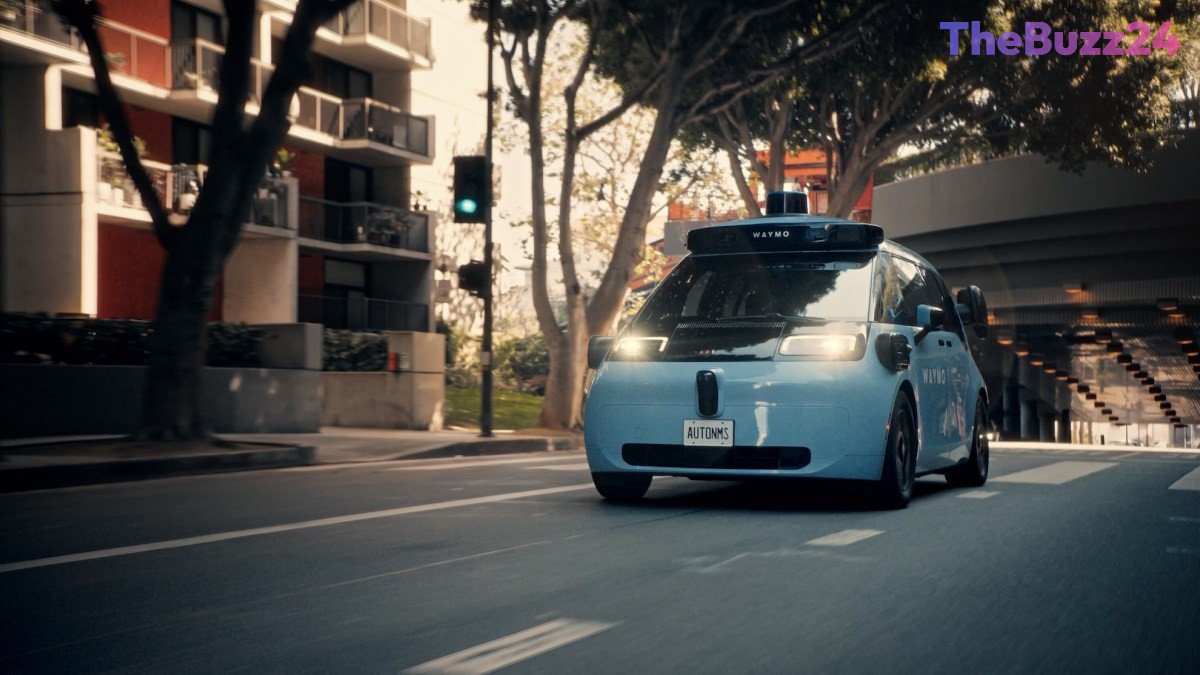
Waymo has taken a major step toward vertical integration by developing a custom 5-nanometer Application-Specific Integrated Circuit (ASIC) chip designed to power its sixth-generation autonomous driving system. Installed in the next-generation Ojai robotaxi, this custom silicon is engineered to process the massive influx of raw data from the vehicle’s 13 high-fidelity cameras before it reaches the central computing brain. Boasting a performance of over 1,000 trillion operations per second (TOPS), the chip rivals Nvidia’s high-end DRIVE AGX Thor processor, positioning Waymo to significantly lower manufacturing and operational costs as it scales its driverless ride-hailing services across major cities like Los Angeles, Phoenix, and San Francisco.
While Waymo designed the chip in-house, it is collaborating with a robust network of semiconductor giants, including TSMC, Samsung, AMD, Nvidia, Micron, Sandisk, and Socionext. This hardware milestone comes at a time of heightened scrutiny within the autonomous vehicle sector. Notably, the Idaho National Laboratory is currently conducting an investigation into whether Chinese-manufactured lidar sensors pose national security risks when deployed on U.S. roads. This review, reportedly funded by private entities within the electric and self-driving vehicle industries, highlights the growing geopolitical and security sensitivities surrounding autonomous supply chains.
Beyond Waymo, the autonomous and electric mobility sectors are seeing rapid commercial evolution and funding rounds. Also, a spin-off from Rivian, recently secured $150 million in Series D funding to advance its autonomous small electric vehicles, bringing its total capital raised to $455 million. Meanwhile, sidewalk delivery firm Serve Robotics has successfully diversified its partnerships by expanding services with Grubhub and DoorDash, mitigating the impact of Uber’s recent decision to scale back its reliance on Serve’s robots. Additionally, Swedish freight technology firm Einride has committed to purchasing 500 Tesla Semis to bolster its electric shipping fleet, signaling continued momentum for heavy-duty electric transport.
The regulatory landscape is also shifting rapidly to accommodate driverless fleets. Regulators in Nevada recently issued commercial robotaxi permits to Tesla, Uber, and Waymo, paving the way for up to 8,000 autonomous vehicles to deploy in Clark County over the next year. However, rapid scaling continues to face regulatory headwinds; Uber was recently hit with an €825 million fine by Dutch authorities over automated driver account deactivations, and Waymo remains under federal scrutiny following a low-speed collision involving a pedestrian, highlighting the delicate balance between rapid technological deployment and public safety.
Key Takeaways
- Waymo has developed a custom 5nm ASIC chip delivering over 1,000 TOPS of processing power to handle data for its next-generation Ojai robotaxis.
- The autonomous vehicle industry is facing supply chain scrutiny, with a federal lab investigating potential security risks associated with Chinese-made lidar sensors.
- Commercial autonomous deployments are accelerating, highlighted by Nevada granting robotaxi permits to Tesla, Uber, and Waymo, alongside major funding rounds for delivery startups.
Editor’s Analysis & Impact
Waymo’s transition to custom silicon represents a classic tech industry playbook: vertical integration to reduce long-term capital expenditures and optimize performance. By designing its own 5nm ASIC, Waymo reduces its reliance on off-the-shelf hardware, directly targeting the high costs that have historically plagued robotaxi profitability. However, this hardware-centric push occurs against a backdrop of tightening regulatory and geopolitical scrutiny. The investigation into Chinese lidar sensors and Uber’s massive European fine demonstrate that the path to global autonomous commercialization is as much about navigating geopolitical supply chains and data privacy laws as it is about computing power. As companies like Waymo, Tesla, and Uber secure massive regional permits, the industry is transitioning from localized pilot programs to high-stakes commercial competition.
Frequently Asked Questions
Q: What is the significance of Waymo's new custom chip?
A: Waymo's custom 5nm ASIC chip delivers over 1,000 TOPS of computing power, allowing it to process massive amounts of sensor data efficiently. This custom hardware is designed to lower the production and operational costs of its next-generation Ojai robotaxis, bringing the company closer to profitability.
Q: Why is the Idaho National Laboratory investigating Chinese lidar sensors?
A: The lab is evaluating whether lidar sensors manufactured in China pose national security risks when integrated into autonomous and electric vehicles operating in the United States.
Q: How are other autonomous delivery companies adapting to market changes?
A: Companies like Serve Robotics are actively diversifying their partnerships. After Uber reduced its stake and usage, Serve expanded its delivery operations with Grubhub and DoorDash to ensure stable commercial scaling.
AI Disclosure: This article is based on verified data and official reports. Our Team and AI have cross-referenced every financial detail with primary sources to ensure total accuracy.
More from this Category