Asia Accelerates Green Hydrogen Ambitions, Pioneering Sustainable Rail Transport
Asia is emerging as a global frontrunner in the adoption of hydrogen-powered transport, with several governments actively investing in a comprehensive hydrogen ecosystem. This strategic push is particularly evident in the rail sector, which is seen as a crucial catalyst for generating demand and advancing the technology. Countries like India, Japan, China, and South Korea are at the forefront, developing ambitious programs to integrate hydrogen into their transportation networks, driven by diverse national objectives.
Japan’s efforts align with its broader hydrogen society roadmap, while South Korea’s major conglomerates are focusing on creating integrated industrial hydrogen ecosystems that could encompass rail. China is strategically building its fuel-cell supply chain to enhance export competitiveness, and India is prioritizing cost-effective rail retrofits as part of its vision for national self-sufficiency. Industry analysts emphasize that while the widespread commercial success of hydrogen technology is still years, or even decades, away, its potential to decarbonize hard-to-abate industries is undeniable. The long-term potential is considered real, though perhaps narrower than some of the prevailing hype, with commercial feasibility at scale expected in defined sectors by the 2030s and 2040s.
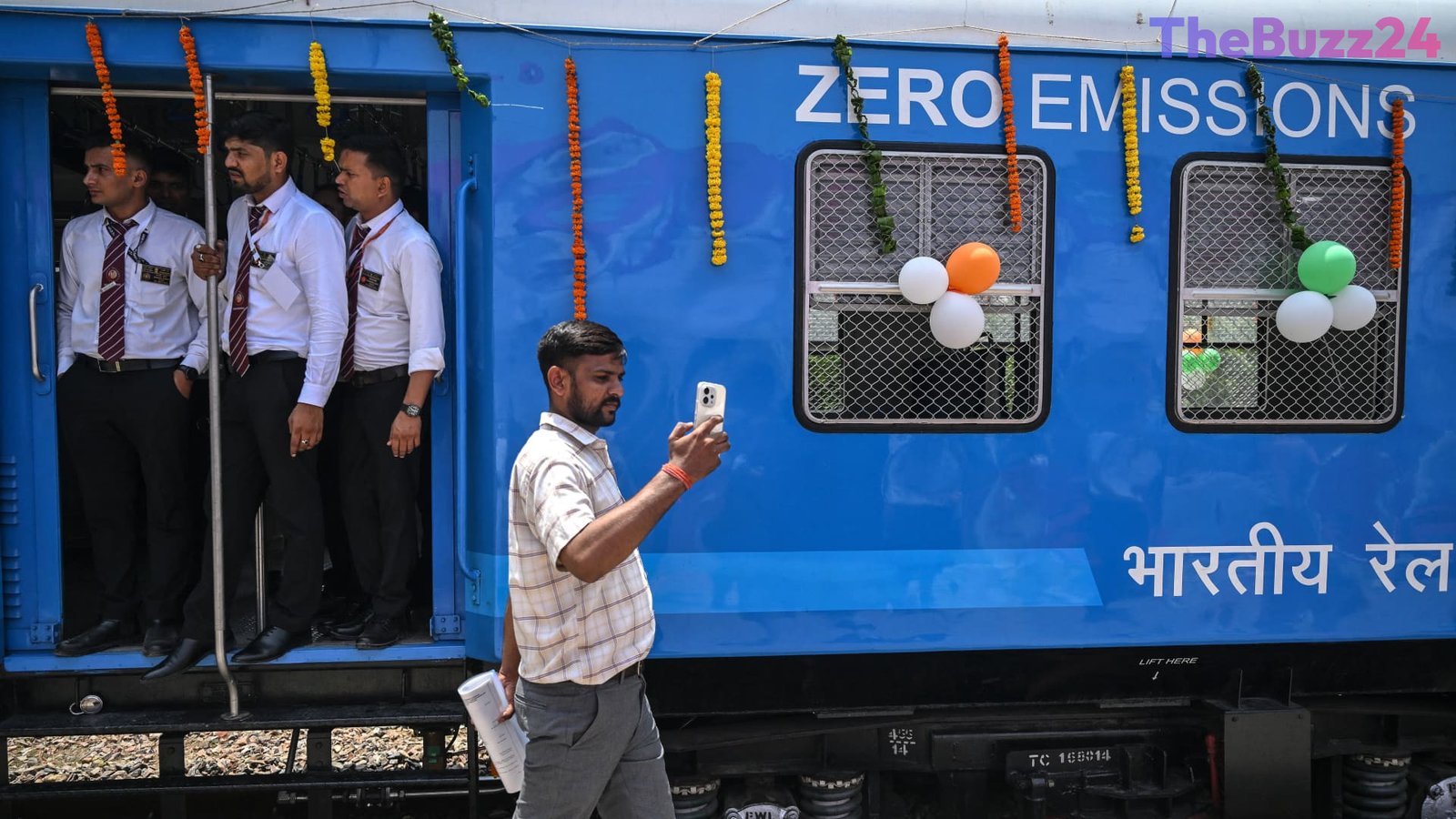
Significant strides are already being made across the region. India, for instance, launched its first hydrogen-powered train recently and plans to deploy 35 such trains under its “Hydrogen for Heritage” initiative on heritage and hill routes. The nation is also investing heavily in hydrogen fuel cell technology through its National Green Hydrogen Mission, aiming to become a global hub for green hydrogen production, usage, and export, with projections indicating around $34 billion in investments by 2030. Elsewhere, East Japan Railway plans to introduce its HYBARI hydrogen-hybrid train by fiscal 2027, and South Korea is investing substantially in hydrogen train demonstration projects, anticipating significant growth in the global hydrogen train market. China has also unveiled its first hydrogen-powered tourism train.
Beyond immediate transport solutions, hydrogen-powered rail is viewed as a strategic component of a larger hydrogen market development strategy. It provides a visible and predictable anchor for early investments in production, storage, and refueling infrastructure, thereby mitigating risks. For nations like India and China, rail can serve as one of several “strategic demand anchors” alongside sectors such as steel and shipping, accelerating market creation and fostering the transition to cost-competitive green hydrogen. Furthermore, energy security is a key driver, as many Asian nations are heavily reliant on imported fossil fuels. Hydrogen offers a domestically producible and tradable alternative. For Japan and South Korea, it also represents an opportunity to maintain industrial competitiveness in clean energy value chains where they still hold a technological lead, contrasting with China’s dominance in areas like solar and batteries.
Key Takeaways
- Asian nations are heavily investing in hydrogen-powered transport, particularly rail, as a key strategy for decarbonization and energy independence.
- India, Japan, China, and South Korea are leading these efforts with diverse national strategies, including significant pilot projects and infrastructure development.
- Hydrogen rail is seen as a strategic "demand anchor" to de-risk broader investments in the hydrogen ecosystem and enhance industrial competitiveness and energy security.
Editor’s Analysis & Impact
The push for hydrogen in Asia’s transport sector, especially rail, signals a significant shift towards sustainable energy solutions. This development will likely spur massive investments in green hydrogen production, storage, and refueling infrastructure, creating new market opportunities and supply chains. While commercial viability at scale is still a future prospect, the strategic government backing and pilot projects are crucial for de-risking early-stage investments. The broader implications extend to energy security, reducing reliance on fossil fuel imports, and fostering industrial competitiveness for nations seeking to lead in clean energy technologies. This regional focus could accelerate global hydrogen adoption, positioning Asia as a critical innovation hub in the energy transition.
Frequently Asked Questions
Q: Which Asian countries are leading the adoption of hydrogen-powered trains?
A: India, Japan, China, and South Korea are at the forefront, each pursuing distinct strategies to integrate hydrogen into their transportation networks.
Q: What are the primary motivations behind Asia's investment in hydrogen transport?
A: Key motivations include decarbonizing industries, achieving energy security by reducing reliance on imported fossil fuels, fostering national self-sufficiency, and enhancing industrial competitiveness in clean energy technologies.
Q: Is hydrogen-powered rail expected to replace traditional electric rail?
A: Not directly. Hydrogen-powered trains are currently viewed as a niche decarbonization tool and a potential anchor-demand instrument for wider hydrogen ecosystem development, rather than a direct replacement for established electric rail corridors.
AI Disclosure: This article is based on verified data and official reports. Our Team and AI have cross-referenced every financial detail with primary sources to ensure total accuracy.
More from this Category