Antitrust Challenge to Paramount-WBD Deal Signals Broader Media M&A Freeze
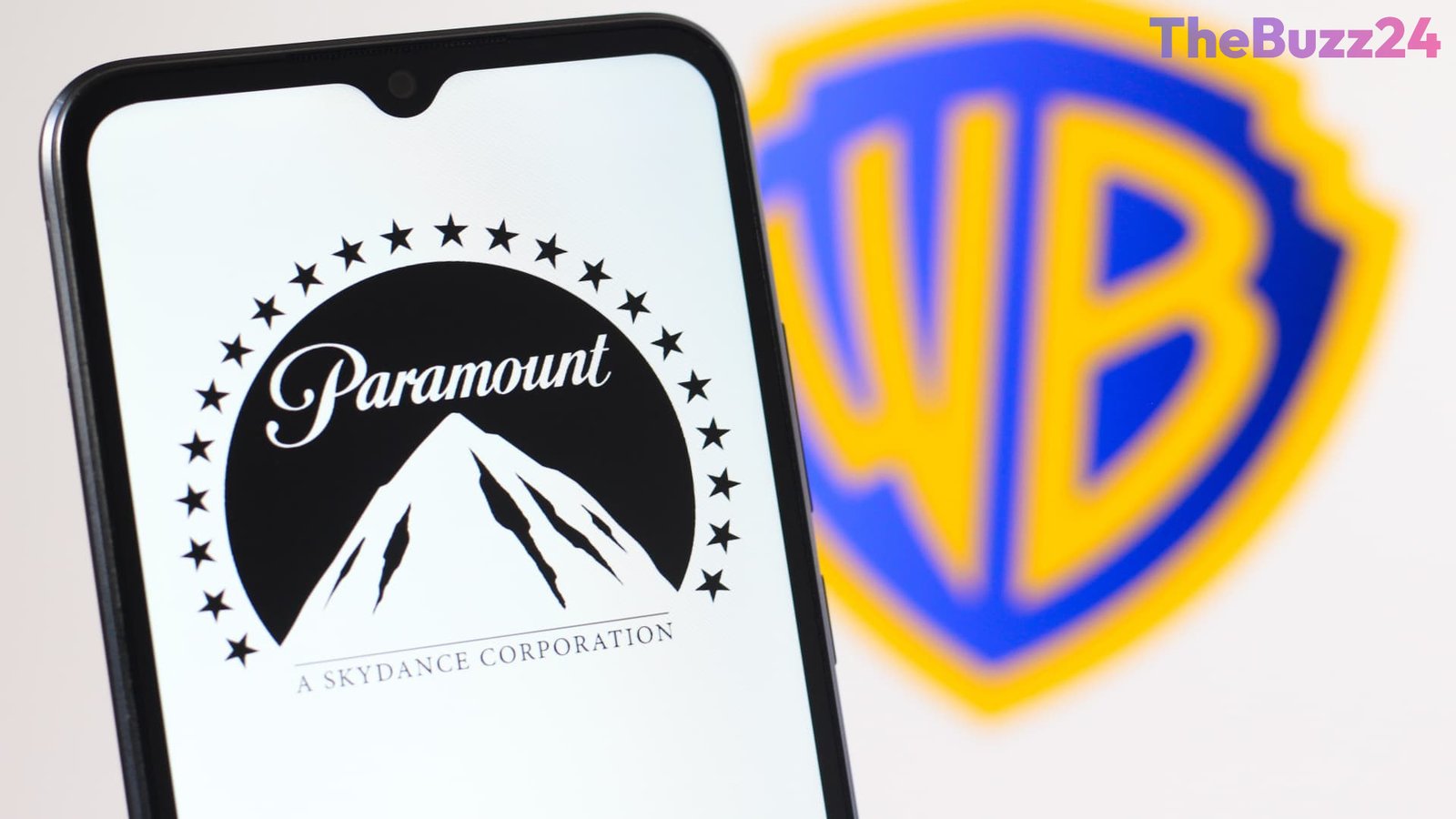
The proposed $110 billion acquisition of Warner Bros. Discovery by Paramount Skydance has hit a significant roadblock, facing an antitrust lawsuit initiated by a coalition of state attorneys general, spearheaded by California’s Rob Bonta. This legal challenge has compelled Paramount to postpone the tie-up, originally slated for completion much sooner, until at least June 2027.
Industry observers and media executives are now anticipating a substantial cooling effect across the entire media mergers and acquisitions (M&A) landscape. The heightened scrutiny from state regulators, coupled with the prospect of prolonged legal battles, is expected to deter other major deals. This sentiment is echoed by various industry veterans, who foresee a noticeable lull in large-scale transactions as companies re-evaluate the regulatory risks involved. Even deals with fewer apparent antitrust concerns, such as Fox Corp.’s planned acquisition of Roku, are now being viewed through the lens of potential regulatory timing risks.
The financial ramifications for Paramount are considerable. Under the terms of the agreement, Paramount is obligated to pay substantial “ticking fees” to Warner Bros. Discovery shareholders for the duration of the delay, amounting to approximately $650 million per quarter starting September 30. Paramount has already moved to compel the suing states to post a $1.88 billion bond to cover these and other associated costs. This costly delay underscores the unpredictable nature of the current regulatory environment, making the economics of such megadeals far more complex.
In response to this evolving landscape, media companies may pivot away from large-scale M&A towards alternative growth strategies. This could include an uptick in strategic partnerships, content licensing agreements, and the creation of streaming bundles, similar to the recent collaboration between NBCUniversal’s Peacock and YouTube Premium. Companies like Comcast, which is preparing to spin off NBCUniversal, are reportedly holding off on near-term M&A discussions until the Paramount-WBD situation provides clearer guidance on the viability of future deals in this more rigorous regulatory climate.
Key Takeaways
- The proposed $110 billion Paramount Skydance acquisition of Warner Bros. Discovery is significantly delayed by an antitrust lawsuit from state attorneys general.
- This increased regulatory scrutiny is creating a 'chill' across the media M&A landscape, potentially impacting other major deals and leading to a lull in future mergers.
- The delay is incurring substantial 'ticking fees' for Paramount, and the broader industry may pivot towards partnerships and content bundles as an alternative to large-scale acquisitions.
Editor’s Analysis & Impact
The antitrust challenge to the Paramount-WBD deal marks a pivotal moment for the media industry, signaling a significant shift in the regulatory environment. This heightened scrutiny, particularly from state attorneys general, introduces a new layer of complexity and risk for large-scale mergers. The immediate impact will likely be a slowdown in M&A activity, as companies become more cautious and factor in longer timelines and increased legal costs. In the long term, this could force media giants to rethink their growth strategies, potentially favoring strategic partnerships, content collaborations, and organic expansion over transformative acquisitions. This trend may also lead to a more fragmented industry landscape, where innovation through collaboration becomes more prevalent than consolidation, ultimately reshaping competition and content distribution models.
Frequently Asked Questions
Q: What are the financial implications of this delay for Paramount?
A: Paramount is incurring significant 'ticking fees' to Warner Bros. Discovery shareholders, estimated at approximately $650 million per quarter, for as long as the deal is delayed.
Q: How might this regulatory scrutiny affect other media companies?
A: The increased scrutiny is expected to create a 'chill' in the broader media M&A market, potentially delaying or deterring other large-scale mergers and acquisitions. Companies may instead explore more partnerships, content agreements, and streaming bundles as alternative growth strategies.
AI Disclosure: This article is based on verified data and official reports. Our Team and AI have cross-referenced every financial detail with primary sources to ensure total accuracy.
More from this Category