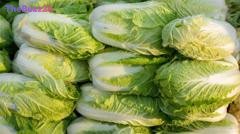
China Investigates Formaldehyde Use in Cabbage Preservation Amid Food Safety Concerns
Chinese authorities have initiated a thorough investigation following revelations that formaldehyde, a chemical known for its carcinogenic properties, was allegedly used to maintain the freshness of cabbages intended for consumption. The probe, centered in the northeastern Hebei province, was prompted by video evidence circulating online, which appeared to show individuals immersing cabbages in a chemical solution prior to their transport.
This practice is strictly forbidden in China, where formaldehyde is typically employed for preserving biological specimens, not for food products. The country, being the world’s largest producer of cabbages, faces significant scrutiny over its food safety standards, especially given the vegetable’s substantial export market to neighboring Asian nations like Vietnam and South Korea.
In response to the alarming reports, law enforcement has reportedly taken legal action against those implicated. State media indicates that officials are actively conducting market inspections nationwide to preempt public concern and reassure consumers about the safety of the vegetable supply. Efforts are also underway to determine the extent of the practice and to trace any potentially contaminated produce.
Local officials have pledged strict legal repercussions for any illegal or non-compliant activities discovered, emphasizing their commitment to safeguarding the integrity of the vegetable supply chain. Major distribution hubs, such as Beijing’s Xinfadi market, have also issued statements confirming their own investigations into their cabbage sources, asserting that no affected produce has entered their supply.
Key Takeaways
- Chinese authorities are investigating the alleged use of formaldehyde to preserve cabbages for consumption.
- The practice is illegal in China and poses significant health risks, as formaldehyde is a known carcinogen.
- The investigation includes market inspections and legal action, aiming to restore consumer confidence and ensure food safety.
Editor’s Analysis & Impact
This incident highlights persistent challenges in food safety regulation within China’s vast agricultural sector. The use of banned chemicals like formaldehyde underscores the tension between economic pressures on producers and the imperative of public health. The swift official response, including investigations and market checks, signals an effort to manage public perception and prevent a broader crisis of confidence. However, the widespread nature of cabbage production and export means that such incidents can have ripple effects on international trade and consumer trust in Chinese agricultural products. Future outlook depends on the effectiveness of enforcement and the implementation of stricter supply chain controls.
Frequently Asked Questions
Q: Is formaldehyde safe for food preservation?
A: No, formaldehyde is not approved for food preservation. It is a toxic chemical known to be a carcinogen and is strictly prohibited for use in food products due to significant health risks.
Q: What are the health risks associated with formaldehyde exposure?
A: Exposure to formaldehyde can cause irritation to the eyes, nose, and throat. In higher concentrations or prolonged exposure, it has been linked to certain types of cancer in humans, particularly nasopharyngeal cancer and leukemia.
Q: What is China's stance on using formaldehyde in food?
A: China strictly prohibits the use of formaldehyde in food preservation. Authorities have taken legal action against individuals found violating these regulations.
AI Disclosure: This article is based on verified data and official reports. Our Team and AI have cross-referenced every financial detail with primary sources to ensure total accuracy.
More from this Category