Federal Safety Regulators Elevate Investigation Into General Motors Brake System Failures
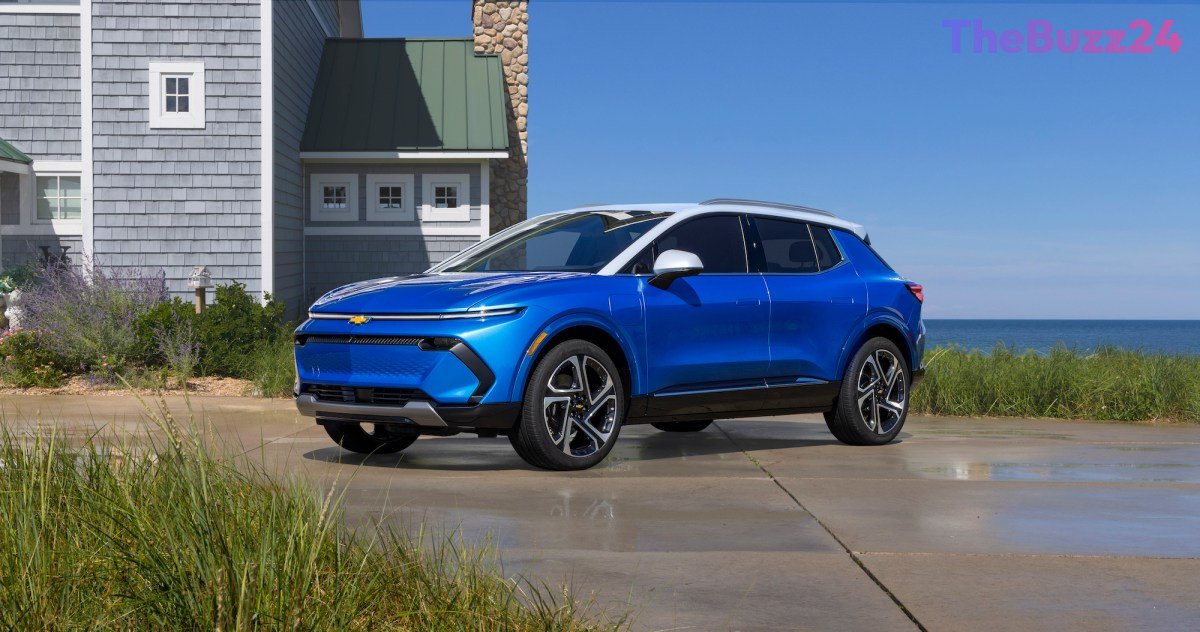
Federal auto safety regulators have intensified their investigation into brake system anomalies affecting over a million General Motors vehicles, including popular electric models and select traditional internal combustion engine autos. The inquiry, which has now transitioned into an engineering analysis, comes in the wake of numerous consumer complaints detailing unexpected losses of braking assistance, crashes, and related injuries.
The regulatory scrutiny originally began following driver reports concerning 2023 Cadillac Lyriq models. Initial findings pointed toward potential fractures within the spindle of the electronic brake-by-wire system, known as eBoost, which was introduced by the automaker in 2019. However, subsequent incident reports revealed failures that extended beyond initial internal assessments, prompting authorities to conduct a deeper technical review.
Vehicles potentially impacted by the evolving investigation span multiple brands and models, incorporating joint-venture electric vehicles produced with Honda as well as several trucks and SUVs. Representatives for the manufacturing giant maintain that the observed conditions do not pose an unreasonable safety risk, noting that the company continues to cooperate fully with regulatory officials as the engineering analysis proceeds.
Key Takeaways
- Federal auto safety regulators upgraded their probe into General Motors vehicles to an engineering analysis.
- More than 1 million vehicles, including electric models and select non-EVs equipped with the eBoost system, may be affected.
- The investigation follows reports of unexpected braking assistance loss, leading to multiple crashes and injuries.
Editor’s Analysis & Impact
The escalation of federal scrutiny into General Motors’ eBoost braking technology highlights the complex reliability challenges automakers face as they rapidly transition toward advanced electronic and brake-by-wire systems. While these technologies offer enhanced customization and efficiency for modern electric and autonomous vehicles, software and hardware integration flaws can introduce critical safety vulnerabilities. An engineering analysis is a pivotal phase that frequently precedes formal recall mandates, meaning General Motors could face substantial warranty repair costs, reputational damage, and potential adjustments to its vehicle architecture. Beyond the immediate financial impact for the manufacturer, this regulatory action underscores a broader industry trend: tightening oversight by federal agencies regarding software-driven automotive components. As automakers increasingly decouple mechanical linkages in favor of digital controls, regulatory scrutiny over electronic failures will likely intensify, setting stricter compliance benchmarks for the entire automotive sector.
Frequently Asked Questions
Q: What is an engineering analysis in the context of federal vehicle safety investigations?
A: An engineering analysis is the highest level of investigation performed by the Office of Defects Investigation, often serving as the step preceding a formal vehicle recall recommendation.
Q: Which vehicles are impacted by the federal braking investigation?
A: The probe covers over 1 million vehicles utilizing the eBoost brake-by-wire system, which includes various General Motors electric vehicles, select models built in partnership with Honda, and certain traditional non-EV models like the Chevy Colorado and Buick Enclave.
Q: How has General Motors responded to the investigation?
A: General Motors stated that customer safety remains its highest priority, noted that it has conducted thorough internal investigations, and confirmed it is continuing to cooperate fully with federal regulators.
AI Disclosure: This article is based on verified data and official reports. Our Team and AI have cross-referenced every financial detail with primary sources to ensure total accuracy.
More from this Category