Microsoft Accelerates Custom Chip Strategy to Cut Reliance on Nvidia Hardware
Microsoft is preparing a major shift in its artificial intelligence infrastructure, revealing plans to deploy gigawatts worth of proprietary silicon across its global data centers. The company intends to transition its custom-built Maia chips into the primary computing architecture powering incoming AI inference requests. This strategic pivot signals a long-term campaign to gain greater autonomy over its technology stack while easing its heavy dependence on market leader Nvidia.
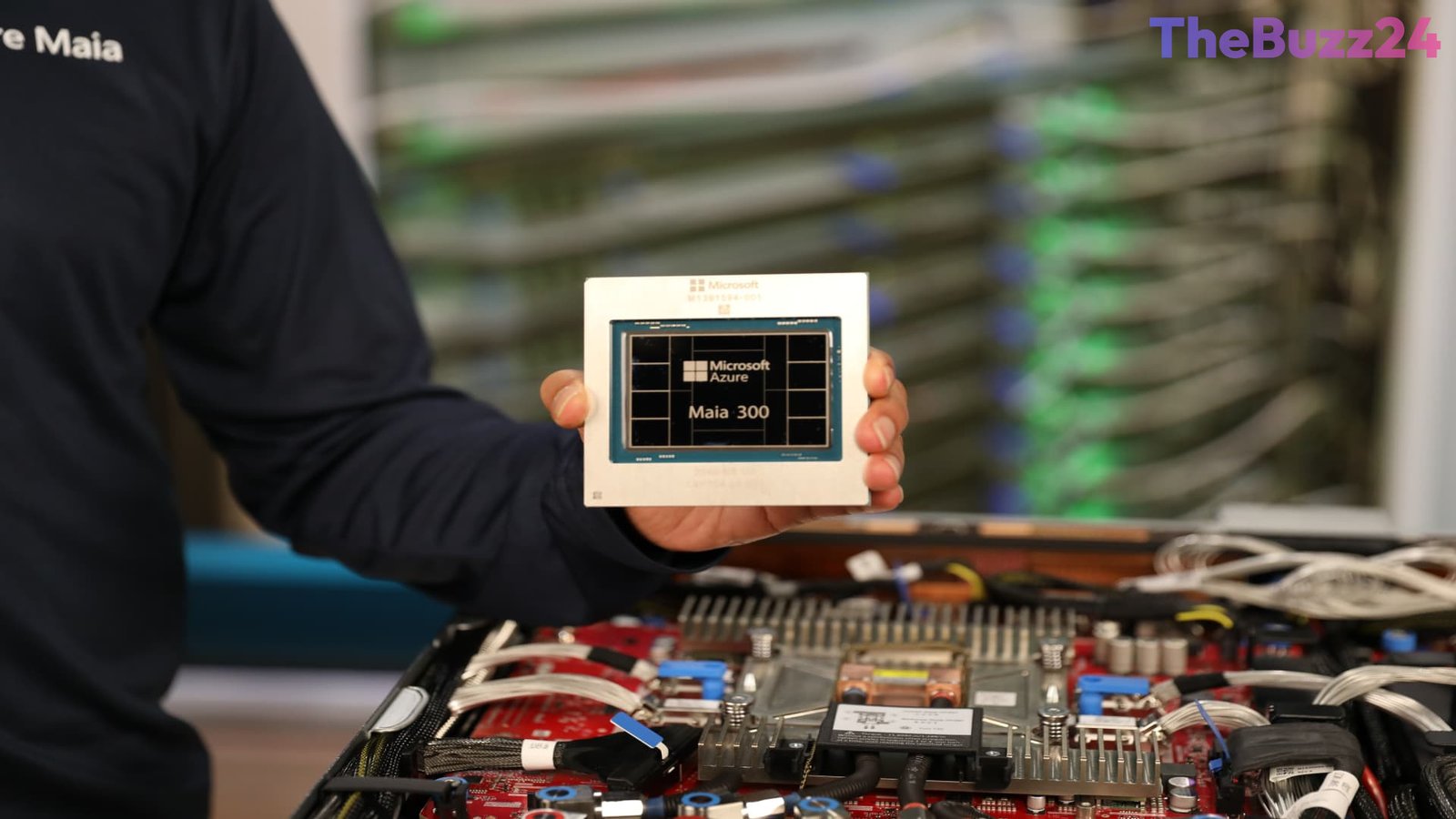
The push centers on the newly detailed Maia 300 processor, scheduled to enter full production in 2027. Microsoft plans to pack 96 of these third-generation chips into each data center rack—effectively doubling the density of its predecessors. According to internal projections, the new hardware will process up to seven times more AI tokens per rack while boosting token output per megawatt by 40% compared to conventional graphics processing units. These efficiency gains will directly power workloads behind enterprise tools such as Microsoft 365 Copilot.
Escalating operational costs and energy constraints have forced hyperscale cloud providers to rethink their hardware dependencies. While Nvidia’s graphics chips remain the dominant choice for training massive models, running those models at scale demands significant power and financial resources. Microsoft executive leadership noted that tailoring internal architectures enables substantial margin optimization, building on previous iterations such as the Maia 100 and Maia 200 that delivered improved performance per dollar.
Despite this internal expansion, Nvidia will remain a core partner in Microsoft’s ecosystem. The tech giant continues to rely heavily on Nvidia and AMD hardware to train advanced foundation models and service outside Azure clients. Unlike custom chips from cloud rivals like Google and Amazon, Microsoft’s Maia line is currently reserved exclusively for internal operations rather than direct public rental, underscoring its role as a tailored infrastructure hedge in an increasingly competitive AI hardware landscape.
Key Takeaways
- Microsoft aims to make its proprietary Maia AI processors the primary architecture for serving internal model workloads, gradually reducing reliance on Nvidia.
- The upcoming Maia 300 chip, scheduled for production in 2027, delivers a 40% improvement in token output per megawatt over traditional GPUs and doubles rack density.
- While Maia hardware is designed solely for internal applications like Copilot and Azure services, Microsoft will continue partnering with Nvidia and AMD for large-scale model training.
Editor’s Analysis & Impact
Microsoft’s aggressive roadmap for its Maia silicon represents a classic hyperscaler playbook: vertical integration to protect operating margins. As enterprise adoption of AI services accelerates, inference costs risk eroding cloud profitability if firms remain tethered exclusively to high-margin third-party hardware from Nvidia. By developing custom accelerators optimized specifically for its own software stack, Microsoft not only curbs capital expenditures but also mitigates power grid constraints through higher energy efficiency per rack. While Nvidia faces no immediate threat to its near-monopoly on model training, the widespread adoption of bespoke silicon by cloud giants will gradually cap GPU revenue potential in inference workloads over the coming decade.
Frequently Asked Questions
Q: When will Microsoft's Maia 300 chip be available?
A: Microsoft plans to initiate production of the Maia 300 accelerator in 2027, deploying it across data centers to power internal AI operations.
Q: Can external businesses rent Microsoft's Maia chips?
A: No. Unlike competing offerings from Amazon Web Services or Google Cloud, Microsoft uses its Maia chips exclusively to power its internal systems and services, such as Microsoft 365 Copilot.
Q: Is Microsoft completely cutting ties with Nvidia?
A: No. Nvidia remains an essential partner for Microsoft, particularly for training foundation models and supplying GPUs to Azure enterprise clients.
AI Disclosure: This article is based on verified data and official reports. Our Team and AI have cross-referenced every financial detail with primary sources to ensure total accuracy.
More from this Category