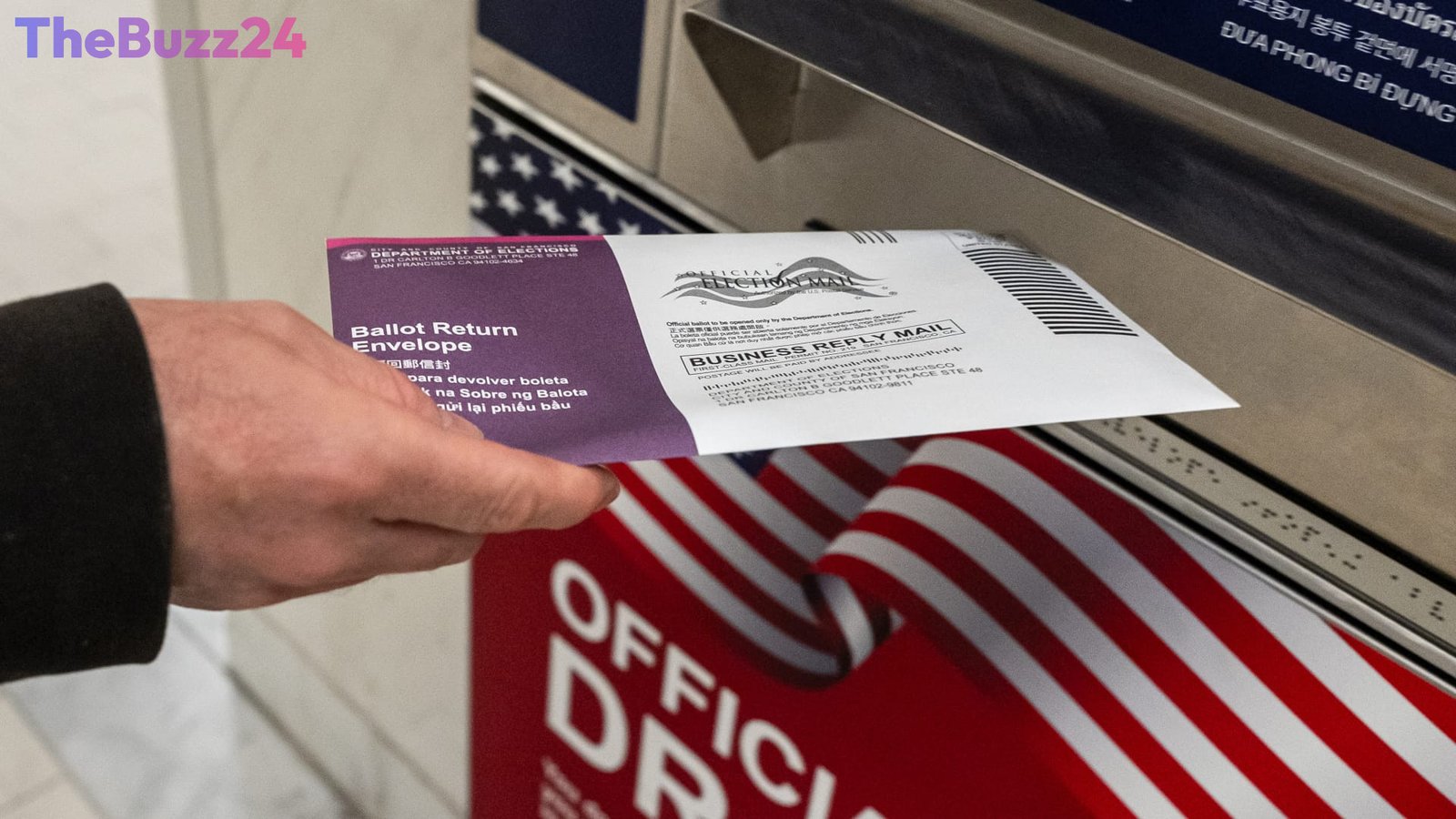
Supreme Court Pauses Mail-In Voting Restrictions Ahead of Midterms
The Supreme Court has temporarily allowed certain aspects of the Trump administration’s executive order concerning mail-in voting to proceed, lifting a lower court’s injunction that had affected 23 states and Washington, D.C. This decision, made without a formal written opinion, permits the administration to move forward with key components of the order while the broader legal challenges continue.
The court’s action specifically addresses the timing of the challenge, suggesting that the lawsuit against the executive order was premature. The majority opinion indicated that the order itself does not mandate changes in how states conduct elections but rather directs federal agencies to develop policies that could eventually impose requirements. Because these policies had not yet been fully implemented when the states filed their challenge, the Supreme Court found the legal challenge to be premature at this stage.
Despite this ruling, a separate nationwide injunction remains in place, preventing the U.S. Postal Service (USPS) from implementing its new mail-ballot procedures for the upcoming November elections. This injunction, issued by a federal district judge, continues to block the finalized rules concerning ballot envelopes, barcodes, and required state information for USPS. The administration must still overcome this significant hurdle for the new procedures to take effect.
The Supreme Court’s decision does not rule on the ultimate legality of the executive order or the policies developed under it. The justices emphasized that their disposition is a procedural one and does not signify approval of any future measures taken by the government to implement the order. The case is now set to return to the 1st U.S. Circuit Court of Appeals for further legal proceedings.
Key Takeaways
- The Supreme Court has temporarily allowed parts of a Trump administration order on mail-in voting to move forward.
- A separate injunction still blocks the Postal Service from implementing new mail-ballot procedures.
- The court's decision is based on the prematurity of the legal challenge, not the ultimate legality of the order.
Editor’s Analysis & Impact
This Supreme Court ruling represents a significant, albeit temporary, victory for the Trump administration’s efforts to reshape mail-in voting processes. By deeming the challenge premature, the court has sidestepped a direct confrontation on the merits of the executive order for now. However, the continued nationwide injunction against the Postal Service’s new procedures highlights the ongoing legal battles and uncertainty surrounding mail-in voting. The implications for election administration, particularly for states preparing for upcoming votes, remain complex. The ultimate outcome hinges on further legal review and the administration’s ability to navigate the existing injunction.
Frequently Asked Questions
Q: What did the Supreme Court decide regarding the Trump administration's executive order?
A: The Supreme Court temporarily allowed key parts of the executive order targeting mail-in voting to proceed, lifting a lower court's injunction in 23 states and Washington, D.C. However, this decision does not address the ultimate legality of the order.
Q: Are the Postal Service's new mail-ballot procedures allowed to be implemented?
A: No, a separate nationwide injunction remains in effect, blocking the U.S. Postal Service from implementing its new mail-ballot procedures for the upcoming elections. This injunction must still be overcome.
Q: What is the next step in the legal process?
A: The case is returning to the 1st U.S. Circuit Court of Appeals for further legal proceedings as the underlying fight over the executive order and its implemented policies continues.
AI Disclosure: This article is based on verified data and official reports. Our Team and AI have cross-referenced every financial detail with primary sources to ensure total accuracy.
More from this Category