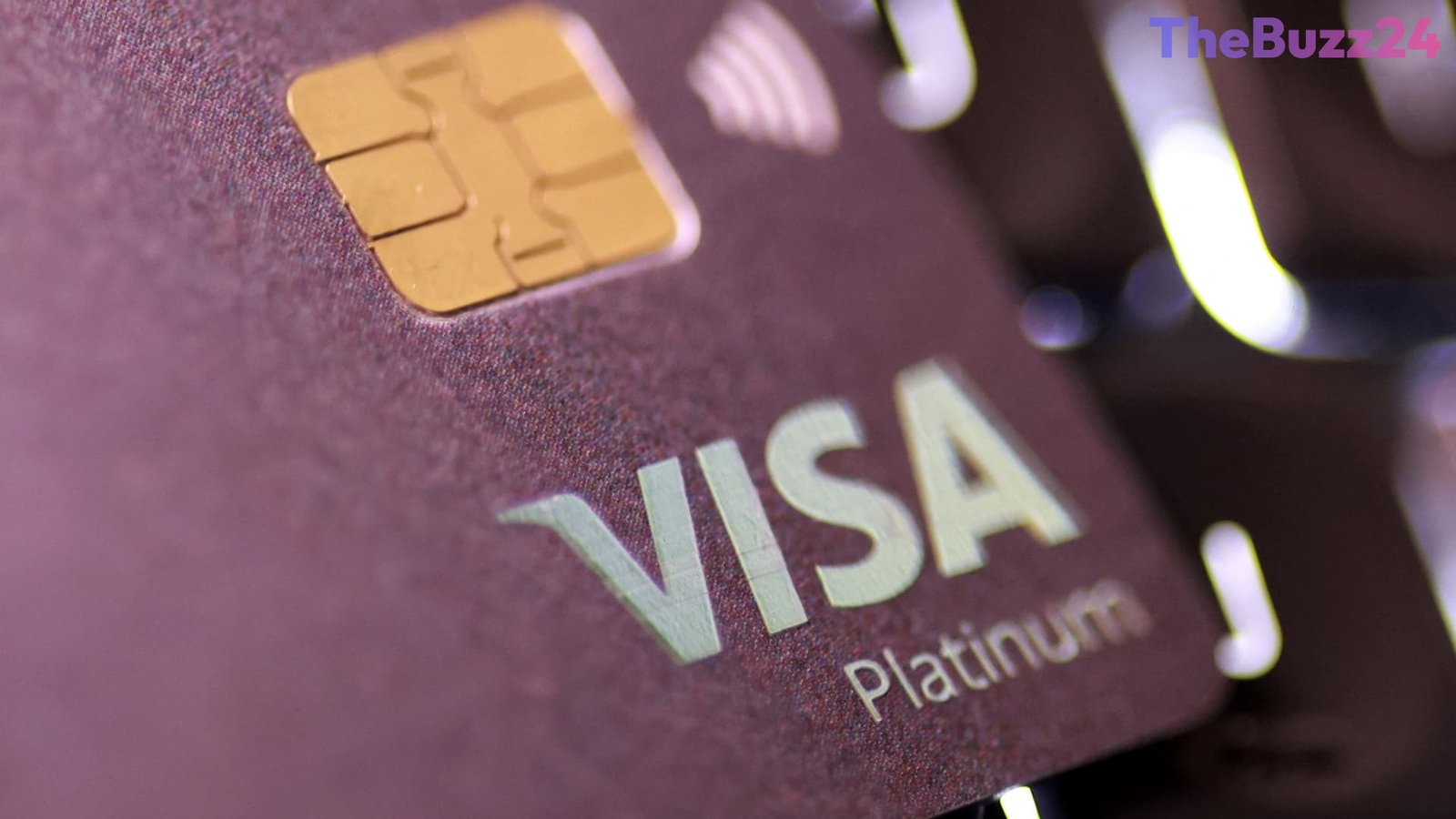
Visa Secures Regulatory Approval to Enter China’s Domestic Payment Market
Visa has officially received authorization from the People’s Bank of China to establish a local bank card clearing business. This development represents a significant shift for the global payments giant, which has maintained a presence in the country for four decades through partnerships with domestic banks, primarily focusing on cross-border transactions.
The approval follows a long-standing application process that began in earnest in 2020. By gaining this license, Visa joins other major international financial institutions, such as American Express and Mastercard, which have already secured similar permissions to operate within the mainland Chinese market. This move is widely viewed as a strategic opening of China’s historically restricted financial sector to foreign competition.
Industry analysts suggest the timing of the announcement is politically significant, occurring as diplomatic discussions between the United States and China continue to evolve. While mobile payment platforms like WeChat Pay and Alipay currently dominate the Chinese consumer landscape, Visa’s entry provides a new layer of infrastructure for domestic card-based transactions. The company is now tasked with navigating the specific regulatory requirements set forth by the People’s Bank of China to fully operationalize its local clearing services.
Key Takeaways
- Visa has received formal approval from the People's Bank of China to launch a domestic bank card clearing business.
- The move follows similar market access granted to competitors Mastercard and American Express in recent years.
- Despite the approval, Visa will face stiff competition from established domestic mobile payment giants like Alipay and WeChat Pay.
Editor’s Analysis & Impact
Visa’s entry into the Chinese domestic clearing market is a landmark event that signals a thawing of regulatory barriers in one of the world’s largest economies. For decades, the Chinese financial sector was effectively a closed loop dominated by UnionPay and, more recently, mobile payment duopolies. By allowing Visa to operate locally, Beijing is likely attempting to project an image of market openness and economic cooperation amidst complex geopolitical tensions. However, the practical impact remains to be seen; Visa must now compete with deeply entrenched digital payment habits that have rendered traditional card usage less common for daily consumer transactions. The long-term success of this venture will depend on Visa’s ability to integrate its global network with local consumer preferences and navigate the stringent regulatory environment of the People’s Bank of China.
Frequently Asked Questions
Q: Why is this approval significant for Visa?
A: It allows Visa to process domestic transactions within China, whereas previously, the company was largely restricted to handling cross-border payments in partnership with local banks.
Q: Who are Visa's main competitors in the Chinese market?
A: Visa faces competition from domestic giants like UnionPay, as well as dominant mobile payment platforms such as Alipay and WeChat Pay, alongside other foreign entrants like Mastercard and American Express.
AI Disclosure: This article is based on verified data and official reports. Our Team and AI have cross-referenced every financial detail with primary sources to ensure total accuracy.
More from this Category