India’s Democracy Under Scrutiny Amidst Mass Protests and Voter Roll Controversy
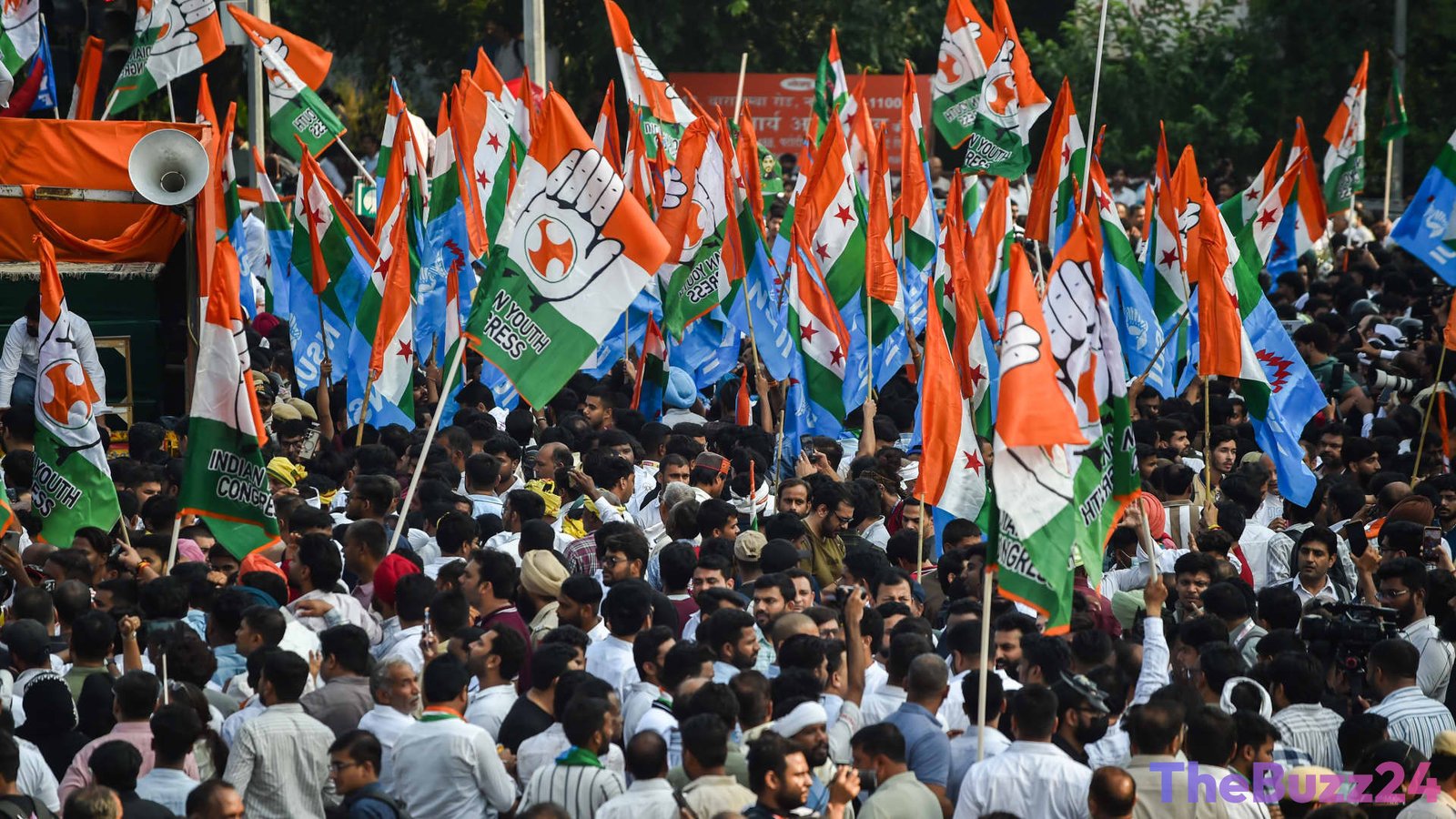
India is currently experiencing widespread protests demanding the resignation of Chief Election Commissioner Gyanesh Kumar amidst allegations of significant voter fraud and the controversial deletion of millions of names from electoral rolls. Thousands of citizens, joined by leaders of various opposition parties, have marched to the Supreme Court in Delhi, filing petitions against the Election Commission’s recent revisions to voter lists. This surge in public discontent has been met with a firm response from authorities, including mass detentions and the restriction of protest sites, drawing international scrutiny.
The core of the protests stems from the Election Commission’s “special intensive revisions” (SIR) conducted last year, which reportedly led to the removal of approximately 130 million individuals from the voter list. While the Election Commission maintains its commitment to ensuring no eligible voter is excluded and has initiated a special drive to re-enroll voters, the ruling Bharatiya Janata Party (BJP) attributes the deletions to factors like deaths, relocations, duplicate entries, and untraceable voters. However, opposition figures, including Rahul Gandhi, assert that the large turnout signifies public defiance against government intimidation, dismissing concerns about the absence of specific groups like the viral pseudo-political movement, the Cockroach Janta Party (CJP), whose leaders have also faced detention.
The government’s crackdown on protestors has been notably severe, with reports of security forces detaining a diverse group including politicians, activists, journalists, and YouTubers. This heavy-handed approach has prompted the United Nations Human Rights Office to express concerns over mass detentions, urging Indian authorities to uphold the right to peaceful assembly. India’s Ministry of External Affairs, however, has dismissed these comments as “unwarranted” and an “unacceptable interference.” Experts suggest that while the current scale of protests may not immediately threaten India’s stability, continued forceful tactics could escalate unrest, potentially impacting investor confidence and capital flow in the long term. Prime Minister Narendra Modi, speaking at a recent event, defended India as a “mother of democracy,” emphasizing open debate and diverse perspectives, even as the crackdowns intensified.
Key Takeaways
- Widespread protests are ongoing in India, demanding the resignation of Chief Election Commissioner Gyanesh Kumar over alleged voter fraud and the deletion of 130 million names from electoral rolls.
- Indian authorities have responded with mass detentions and restrictions on protests, drawing criticism from the United Nations Human Rights Office.
- The controversy raises significant constitutional and legal questions regarding the integrity of India's electoral process and its democratic principles.
Editor’s Analysis & Impact
The escalating protests in India over alleged voter fraud and the controversial voter list revisions present a significant challenge to the nation’s democratic image and political stability. While the immediate economic impact might be limited, a sustained period of unrest and heavy-handed state responses could deter foreign investment and impact market sentiment. The situation also puts the Election Commission under intense scrutiny, potentially eroding public trust in electoral institutions. Looking ahead, how the government manages these protests and addresses the underlying concerns about electoral integrity will be crucial, especially with future elections on the horizon. A failure to de-escalate tensions or transparently address the allegations could lead to broader social and political fragmentation, impacting India’s global standing as a democratic power.
Frequently Asked Questions
Q: What are the main reasons for the protests in India?
A: The protests are primarily driven by allegations of widespread voter fraud and the controversial deletion of approximately 130 million names from India's electoral rolls by the Election Commission. Protestors are demanding the resignation of Chief Election Commissioner Gyanesh Kumar.
Q: How has the Indian government responded to these protests?
A: Indian authorities have responded with a significant crackdown, including mass detentions of protestors, opposition leaders, and activists. They have also restricted protest sites, leading to concerns raised by international bodies like the United Nations Human Rights Office.
Q: What is the "Cockroach Janta Party" (CJP)?
A: The Cockroach Janta Party (CJP) is a viral pseudo-political movement that has been actively involved in calling for and participating in these protests. Its leaders have also faced detention by authorities.
AI Disclosure: This article is based on verified data and official reports. Our Team and AI have cross-referenced every financial detail with primary sources to ensure total accuracy.
More from this Category