Nvidia Fast-Tracks Groq 3 LPX Racks to Revolutionize Low-Latency AI Inference
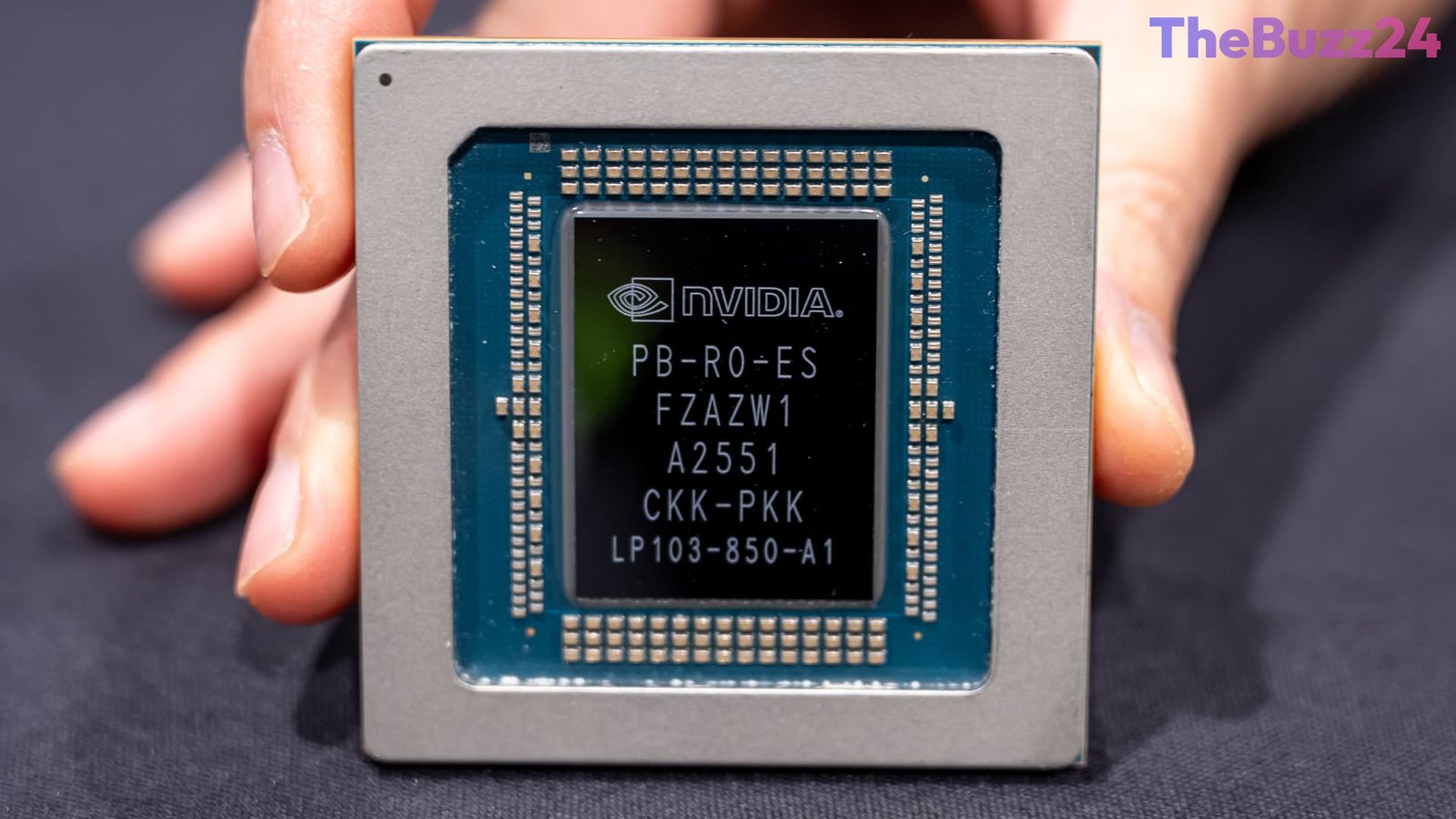
Nvidia has officially announced that its Groq 3 LPX chip is in full production, representing the rapid commercialization of the technology acquired in its monumental $20 billion purchase of Groq assets late last year. This strategic rollout underscores the surging demand for ultra-low-latency inference capabilities, which are essential for making artificial intelligence agents instantly responsive and efficient, particularly for demanding applications like live coding and real-time user interactions.
The newly developed Groq racks are slated for deployment alongside Vera central processors and Rubin graphics processors at neocloud Nebius, with operations expected to go live later this year. By packaging 256 individual Groq 3 chips into unified LPX racks—capable of delivering an impressive 3,400 tokens per second—Nvidia is empowering cloud providers to introduce premium, high-speed service tiers for latency-sensitive enterprise customers.
While traditional graphics processing units remain the heavy lifters for comprehensive AI model training and flexible computing workloads, specialized low-latency accelerators like the Groq architecture target the critical ‘decode’ phase of serving models. This hardware synergy allows data centers to optimize both cost and performance by matching the precise processor to the appropriate segment of the AI workload. As competition heats up across the semiconductor landscape with rivals introducing alternative rack-scale systems, Nvidia continues to cement its dominant market position ahead of its upcoming financial earnings report.
Key Takeaways
- Nvidia's Groq 3 LPX rack has entered full production following a $20 billion asset acquisition.
- The new systems are scheduled to go online later this year at neocloud Nebius, delivering up to 3,400 tokens per second.
- Low-latency chips like Groq complement traditional GPUs by specifically optimizing the 'decode' phase of AI workloads.
Editor’s Analysis & Impact
Nvidia’s aggressive commercialization of the Groq technology highlights a critical evolutionary phase in the artificial intelligence hardware market. As AI applications shift from static conversational models to dynamic, real-time autonomous agents, the bottleneck has decisively moved toward inference speed and token delivery latency. By integrating specialized low-latency racks alongside its Vera Rubin systems, Nvidia is not only defending its hardware monopoly but also creating new monetization pathways for cloud providers through premium service tiers. This hardware diversification effectively counters emerging competitors focusing on ultra-fast inference, ensuring Nvidia maintains a stranglehold on both the training and execution phases of enterprise AI infrastructure.
Frequently Asked Questions
Q: What is the primary function of Nvidia's Groq 3 LPX chips?
A: The Groq 3 LPX chips focus on low-latency inference, specifically targeting the 'decode' phase of serving AI models to ensure rapid, lag-free responses for users.
Q: When will the new Groq racks be deployed?
A: The Groq racks will be deployed alongside Vera and Rubin processors at neocloud Nebius and are scheduled to go online later this year.
Q: Do low-latency chips replace traditional GPUs?
A: No, low-latency chips do not replace GPUs. Instead, they work alongside them, utilizing the right processor for specific parts of the AI workload to optimize price and performance.
AI Disclosure: This article is based on verified data and official reports. Our Team and AI have cross-referenced every financial detail with primary sources to ensure total accuracy.
More from this Category