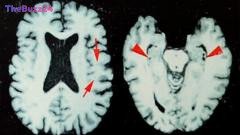
Alarming Study Reveals Nearly All Deceased NFL Players May Have Suffered Brain Disease
A groundbreaking study has revealed a startlingly high prevalence of chronic traumatic encephalopathy (CTE), a degenerative brain disease, among former National Football League (NFL) players. Researchers examining the brains of 235 deceased players who donated their tissue between 2016 and 2021 found that an estimated 97.7% exhibited signs of CTE. This figure represents a significant increase compared to previous research and raises serious concerns about the long-term health consequences of playing professional football.
The study, published in the British Medical Journal, analyzed the brains of players who died within a six-year window. Of the 235 donated brains, 215 were diagnosed with CTE, a condition that can only be definitively identified post-mortem. The research also highlighted a high incidence of dementia among the brain donors, underscoring the widespread neurodegenerative impact of the sport.
Lead author Daniel Daneshvar, an associate professor at Harvard Medical School, stated that the rate of death from neurodegenerative diseases in NFL players is approximately four times higher than in the general population. The study calculated a conservative minimum CTE prevalence of 24.5%, with the upper estimate reaching nearly universal levels among the studied group. Daneshvar emphasized that the cumulative head impacts contributing to this risk often begin at much earlier stages of athletic development, including high school and even youth leagues, not solely during professional careers.
In response to these findings, the NFL reiterated its commitment to player safety, citing ongoing efforts to implement strategies aimed at reducing concussions and head impacts. The league also highlighted its dedication to providing resources for the physical and mental well-being of its community, encouraging former players to utilize these services. This research adds to a growing body of evidence linking repetitive head trauma in football to severe neurological conditions, a concern that has led to rule changes and significant legal settlements in the past.
Key Takeaways
- A new study suggests up to 97.7% of deceased NFL players studied between 2016-2021 may have had CTE.
- The research found a significantly higher rate of neurodegenerative disease deaths in NFL players compared to the general population.
- Experts emphasize that head impacts contributing to CTE often occur at amateur levels of football, urging preventative measures across all age groups.
Editor’s Analysis & Impact
This study’s stark findings underscore a critical health crisis within professional football, potentially impacting nearly every player who has experienced repeated head trauma. The high prevalence of CTE, even in a sample of donated brains, suggests a systemic issue that extends beyond the NFL itself, with origins in lower levels of the sport. This research intensifies pressure on the league and governing bodies to implement more robust safety protocols and long-term care solutions for former athletes. The economic and societal implications, including potential future litigation and the sport’s appeal, are significant, demanding a proactive and comprehensive approach to player welfare.
Frequently Asked Questions
Q: What is Chronic Traumatic Encephalopathy (CTE)?
A: CTE is a progressive degenerative brain disease associated with repeated head trauma. Symptoms can include memory loss, confusion, impaired judgment, impulse control problems, aggression, depression, and eventually progressive dementia. It can only be definitively diagnosed after death through examination of brain tissue.
Q: What are the NFL's current measures to address head injuries?
A: The NFL has implemented various measures over the years, including limiting full-contact practices, modifying rules to reduce helmet-to-helmet hits, and investing in research and technology aimed at improving player safety. They also offer resources for former players' physical and mental well-being.
Q: Does CTE only affect professional football players?
A: While CTE has been most prominently studied in professional football players due to the high incidence of head impacts, it can affect individuals in other contact sports and military personnel who have experienced repeated head trauma.
AI Disclosure: This article is based on verified data and official reports. Our Team and AI have cross-referenced every financial detail with primary sources to ensure total accuracy.
More from this Category