Revolutionizing Space Autonomy: Integrating Fault Management into Systems Engineering
As space exploration ventures deeper into the solar system, the demand for fully autonomous mission operations has reached a critical inflection point. Future missions, such as those involving complex satellite swarms, require spacecraft capable of detecting and mitigating technical faults in real-time without human intervention. To meet this challenge, engineers are shifting toward a unified approach that integrates Fault Management (FM) directly into the Model-Based Systems Engineering (MBSE) process, ensuring that resilience is baked into the architecture from the initial design phase rather than added as an afterthought.
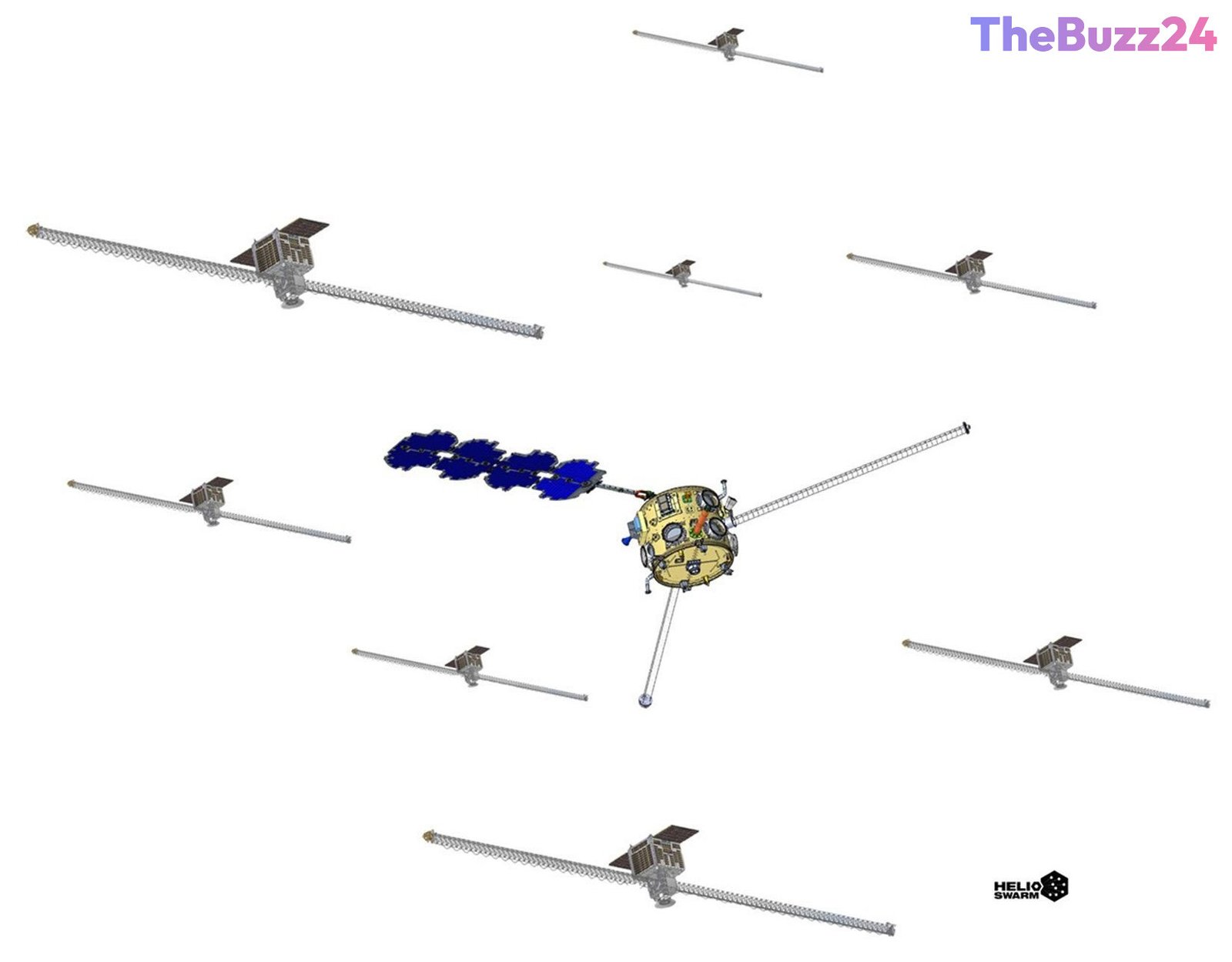
Traditionally, fault management and systems engineering have operated in silos, often leading to inefficiencies and reactive, ‘bandage-style’ fixes. By utilizing the latest iteration of the Systems Modeling Language (SysML v2), developers can now create comprehensive digital models that bridge these disciplines. This integration allows mission designers to simulate potential component failures and evaluate the effectiveness of various mitigation strategies before a single piece of hardware is built. This methodology was recently validated through the HelioSwarm mission, which utilizes a constellation of satellites to study solar wind turbulence.
Qualtech Systems Inc. (QSI) has been at the forefront of this transition, enhancing its TEAMS® toolset to interface seamlessly with MBSE frameworks. By translating complex system designs into actionable fault models, the software enables engineers to perform rigorous Failure Modes, Effects, and Criticality Analyses (FMECAs). These tools not only identify vulnerabilities but also provide data-driven recommendations for optimal sensor placement and system redundancy, significantly reducing development risks and long-term costs.
Beyond the immediate benefits for heliophysics and deep-space exploration, this integrated approach holds transformative potential for other high-stakes industries. The ability to model and automate system resilience is highly applicable to military hardware, commercial aviation, maritime systems, and power grid infrastructure. As autonomous technology continues to evolve, the standardization of these modeling practices will likely become the industry benchmark for ensuring safety and reliability in complex, high-value systems.
Key Takeaways
- Integrating Fault Management into the early design phase of space missions allows for proactive, rather than reactive, system resilience.
- The use of SysML v2 and advanced modeling tools like TEAMS® enables engineers to simulate failures and optimize sensor placement before hardware construction.
- This methodology, currently being applied to the HelioSwarm mission, has broad applications for autonomous systems in aviation, defense, and energy infrastructure.
Editor’s Analysis & Impact
The shift toward integrating Fault Management (FM) into the Model-Based Systems Engineering (MBSE) lifecycle represents a fundamental change in how complex, autonomous systems are architected. By moving away from ‘stove-piped’ development, organizations can drastically reduce the cost of failure and improve mission success rates in high-risk environments. The industry impact is significant: as we move toward an era of increased automation in both space and terrestrial infrastructure, the ability to mathematically verify system reliability during the design phase will become a competitive necessity. This approach not only streamlines the development cycle but also provides a scalable framework for managing the increasing complexity of modern engineering projects. Future outlooks suggest that as SysML v2 becomes the standard, we will see a surge in ‘digital twin’ applications that prioritize autonomous self-healing capabilities.
Frequently Asked Questions
Q: Why is it important to integrate Fault Management into the early design phase?
A: Integrating FM early allows engineers to identify potential failure points and design in redundancy from the start, rather than attempting to fix issues after the system has already been built.
Q: What is the role of SysML v2 in this process?
A: SysML v2 provides a standardized framework that allows systems engineers to capture design requirements and translate them into fault models, ensuring consistency across different engineering teams and software tools.
AI Disclosure: This article is based on verified data and official reports. Our Team and AI have cross-referenced every financial detail with primary sources to ensure total accuracy.
More from this Category