Market Volatility Looms as 2026 Midterm Elections Approach
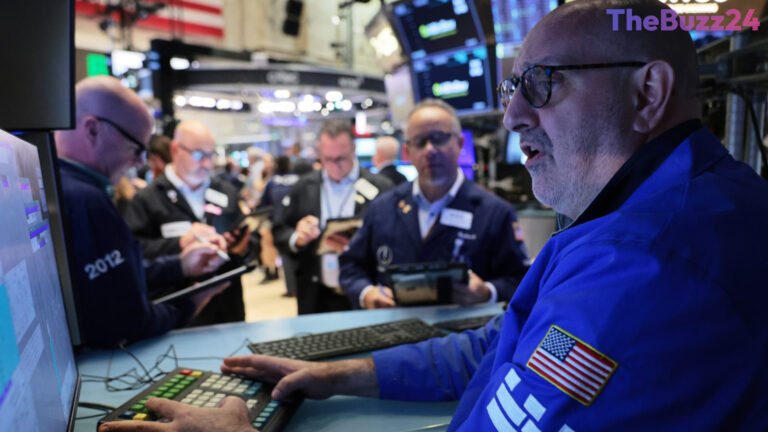
With the 2026 midterm elections just ten weeks away, financial markets are beginning to price in the potential for a significant shift in the balance of power within Congress. Current polling suggests that Democrats hold a lead in the generic ballot, raising the possibility of a divided government that could fundamentally alter the legislative landscape. Investors are closely monitoring these developments, as a change in control could lead to gridlock on essential fiscal matters and increased reliance on executive actions.
Analysts are particularly concerned about the potential for a protracted standoff regarding the U.S. debt ceiling, which is projected to be reached in mid-2027. While historical precedents suggest that the limit will eventually be raised, a divided Congress could turn the process into a high-stakes negotiation, potentially triggering market volatility and impacting Treasury yields. Financial experts warn that if the bond market reacts negatively to these political tensions, it could signal a departure from the traditional ‘flight to safety’ behavior typically seen during debt limit debates.
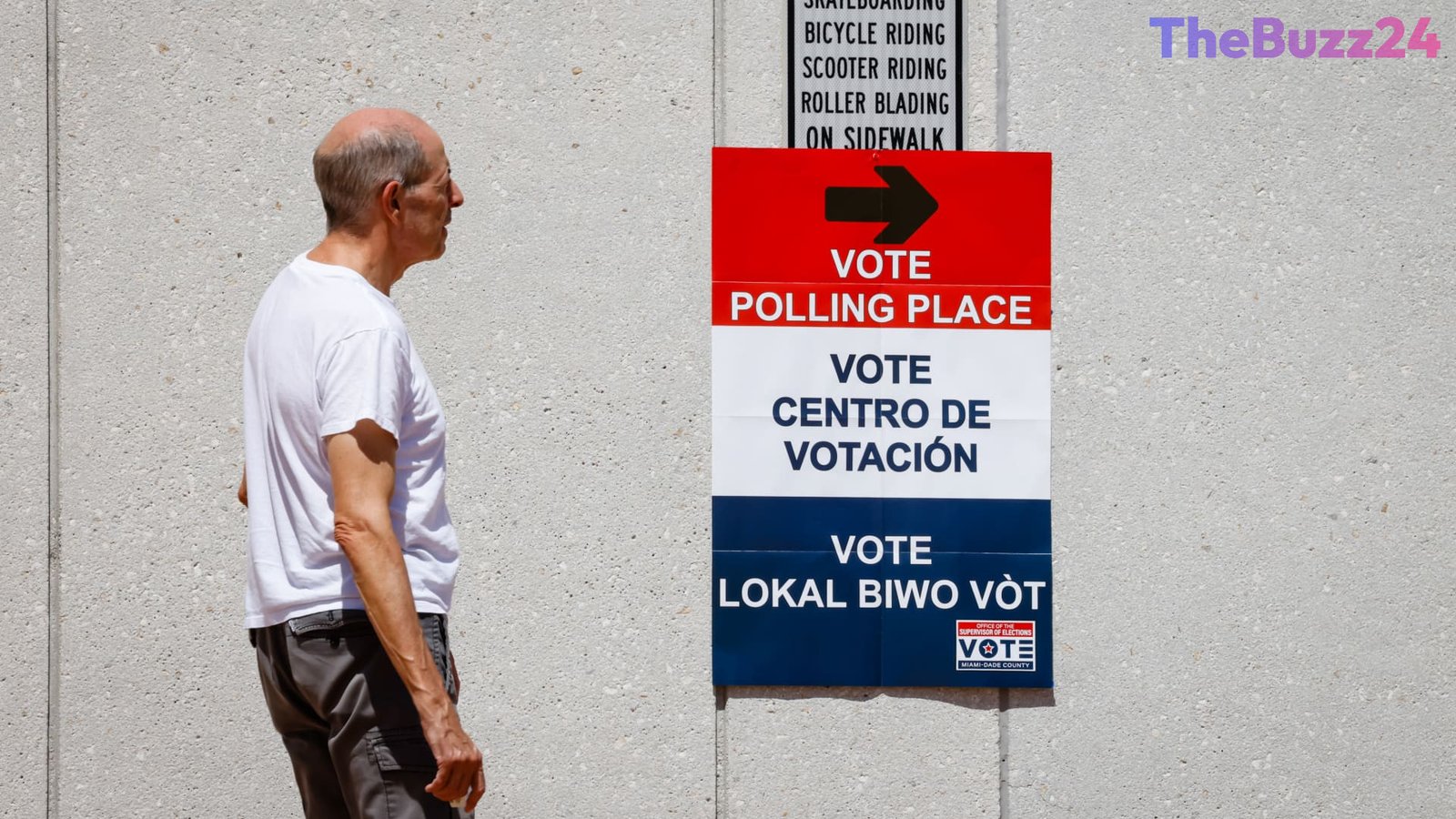
Beyond fiscal policy, the market is bracing for the possibility of a contested or delayed election outcome. Given the increasing complexity of vote counting and the potential for legal challenges, investors are prioritizing a clear and decisive result on election night. Any period of uncertainty regarding the composition of the next Congress is expected to weigh on risky assets, as market participants seek stability in an environment where executive authority remains a primary driver of economic policy.
Key Takeaways
- The 2026 midterm elections are creating market anxiety due to the potential for a shift in congressional control and subsequent legislative gridlock.
- A looming debt ceiling deadline in 2027 is expected to become a major point of contention, potentially increasing volatility in Treasury markets.
- Investors are prioritizing a clear, timely election result to avoid the market instability associated with contested outcomes or prolonged vote counting.
Editor’s Analysis & Impact
The upcoming 2026 midterm elections represent a critical inflection point for capital markets, primarily because they threaten the status quo of executive-led policy. While markets historically favor divided government as a check on radical legislative shifts, the current political climate suggests that a divided Congress may simply force the executive branch to rely more heavily on unilateral executive orders—particularly regarding trade and tariffs. The broader implication is a shift in risk premiums; investors are no longer just tracking legislative outcomes but are now forced to hedge against ‘election chaos’ and the potential for a bond market sell-off during debt ceiling negotiations. The future outlook remains cautious, as the intersection of fiscal uncertainty and political polarization creates a volatile environment for both equities and fixed-income assets.
Frequently Asked Questions
Q: Why do markets care about the 2026 midterm elections?
A: Markets are concerned because a shift in control of Congress could lead to legislative gridlock, contentious debt ceiling negotiations, and an increase in unpredictable executive actions that impact the economy.
Q: How could a debt ceiling standoff affect my investments?
A: A standoff can increase market volatility and cause fluctuations in Treasury bond yields. If investors fear a potential default, they may demand higher premiums, which can lead to broader instability across financial assets.
AI Disclosure: This article is based on verified data and official reports. Our Team and AI have cross-referenced every financial detail with primary sources to ensure total accuracy.
More from this Category