Federal Reserve Chair Kevin Warsh Avoids Rate Clues in Bangkok Address, Emphasizes Global Tightening
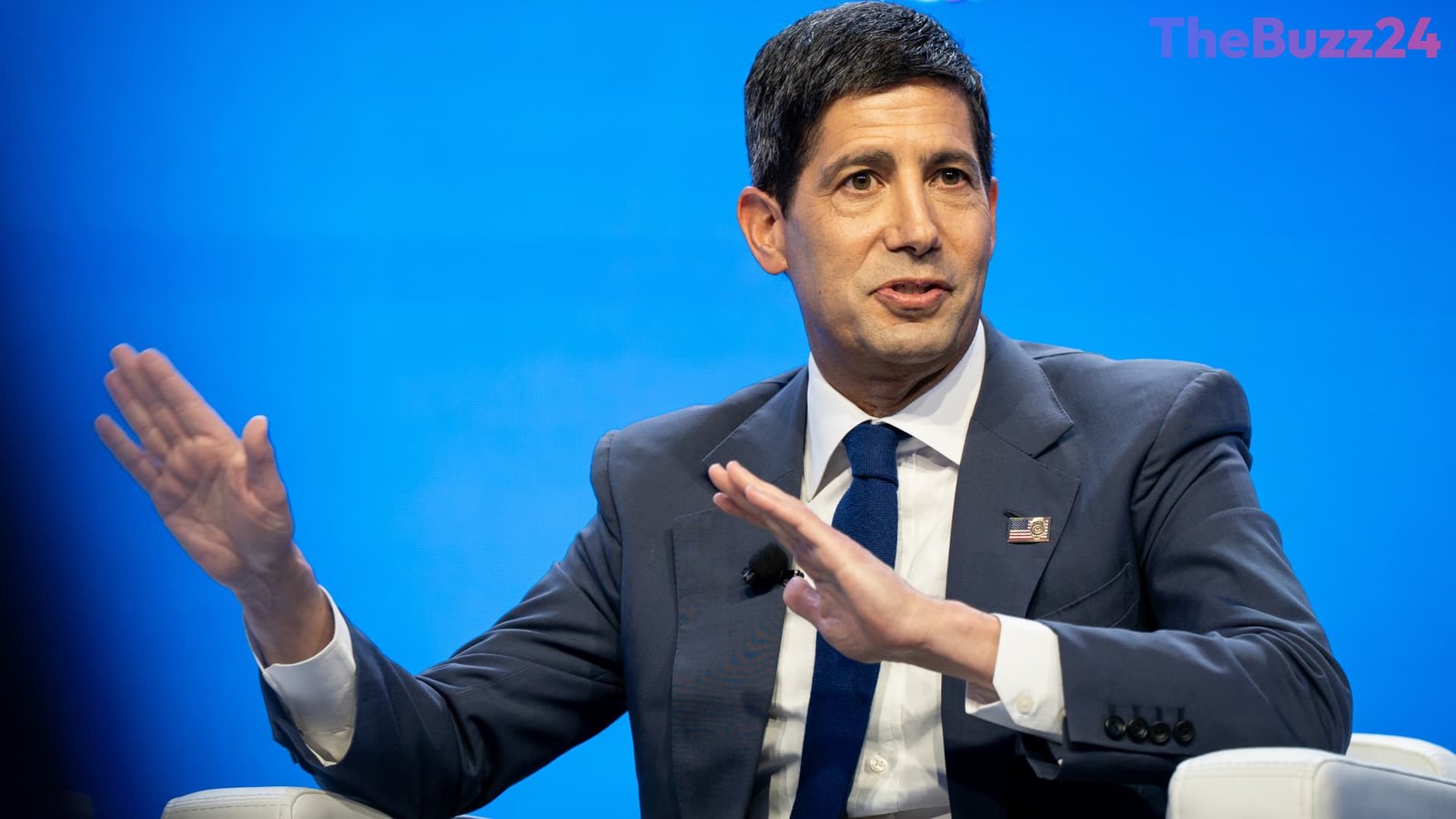
Federal Reserve Chairman Kevin Warsh delivered a closely watched address in Bangkok, choosing to withhold any direct signals regarding potential interest rate adjustments for the upcoming policy meeting. Speaking during a fireside chat at the annual global financial gatherings, Warsh reiterated his steadfast opposition to traditional forward guidance, emphasizing that monetary decisions must remain strictly dependent on incoming economic data rather than pre-announced paths.
Addressing the broader macroeconomic landscape, Warsh highlighted a widespread, synchronized monetary tightening cycle among central banks across the globe. He noted that policymakers worldwide are grappling with similar inflationary pressures, driven in part by escalating energy costs and massive capital expenditures in emerging technologies. Despite these near-term economic headwinds and soaring global public debt levels, Warsh maintained an optimistic outlook on the long-term economic transformation promised by artificial intelligence, predicting significant gains in productivity while cautioning that the transition period will likely be volatile.
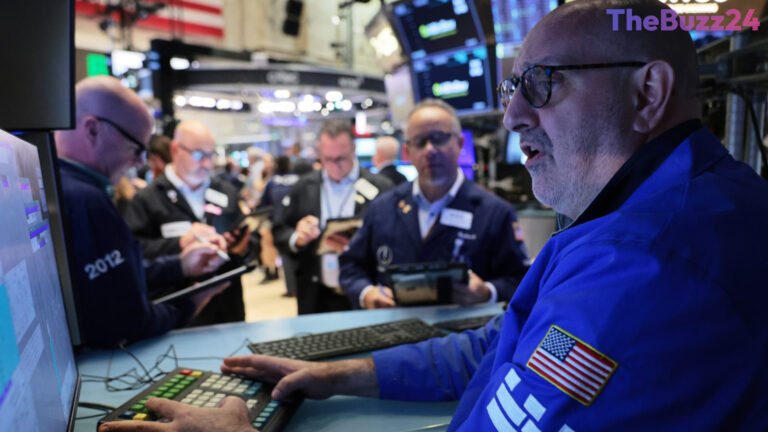
Financial markets reacted calmly to the remarks, with major stock index futures edging slightly higher and Treasury yields remaining relatively stable. Following the address, market participants continue to price in a high probability that the central bank will pause its benchmark interest rate adjustments at the upcoming meeting, while keeping expectations open for potential policy shifts later in the year as economic data unfolds.
Key Takeaways
- Federal Reserve Chair Kevin Warsh declined to provide forward guidance or signal imminent interest rate changes for the month.
- Warsh acknowledged a synchronized global monetary tightening trend, noting that central banks worldwide are actively combating shared inflation pressures.
- The central bank leader expressed long-term optimism regarding artificial intelligence and productivity, while warning of a potentially volatile transition period.
Editor’s Analysis & Impact
Federal Reserve Chair Kevin Warsh’s decision to bypass explicit forward guidance marks a deliberate shift toward data-dependency, moving away from predictable rate paths that markets have historically relied upon. By acknowledging a synchronized global tightening cycle, Warsh underscores the interconnected nature of modern monetary policy, where energy shocks and technological investments are simultaneously testing central bank resolve worldwide. As public debt climbs globally and artificial intelligence begins to reshape labor and capital markets, the Federal Reserve faces a delicate balancing act. The market’s calm reaction suggests investors are largely aligned with a transitional pause, yet the long-term outlook remains sensitive to how effectively productivity gains from emerging technologies can offset persistent inflationary pressures and mounting sovereign debt burdens.
Frequently Asked Questions
Q: Did Federal Reserve Chair Kevin Warsh announce a rate hike for this month?
A: No, Warsh declined to offer any clues or signals regarding whether the central bank will implement an interest rate hike during its upcoming meeting.
Q: What is Kevin Warsh's stance on forward guidance?
A: Warsh has expressed strong opposition to using forward guidance, maintaining that monetary policy should respond directly to economic data rather than pre-announcing future actions.
Q: How did Warsh view the economic impact of artificial intelligence?
A: Warsh expressed long-term optimism that AI will significantly boost economic productivity and wealth, though he warned that the short-term road ahead will be bumpy and employment impacts remain uncertain.
AI Disclosure: This article is based on verified data and official reports. Our Team and AI have cross-referenced every financial detail with primary sources to ensure total accuracy.
More from this Category