Fueling the Conflict: Russia and Ukraine Target Each Other’s Energy Infrastructure
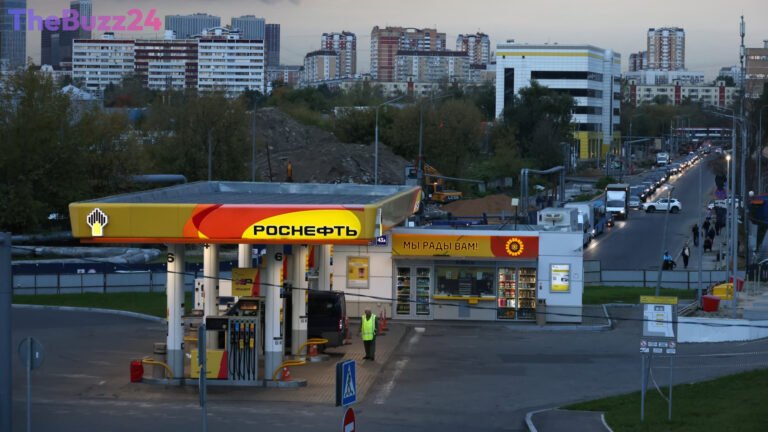
As ongoing hostilities persist, civilian petrol stations across Ukraine have increasingly become the target of relentless Russian drone and missile assaults. Operating primarily in frontline regions, these strikes have damaged or destroyed hundreds of filling stations, creating severe local hazards and claiming civilian lives. In response to the escalating danger, law enforcement agencies have issued strict advisories instructing motorists to immediately evacuate service stations and abandon vehicles whenever air raid sirens ring out.
Simultaneously, Ukraine has mounted a strategic counter-offensive aimed at crippling Russian energy infrastructure. Long-range drone strikes have successfully targeted major oil refineries inside Russia, triggering widespread fuel shortages and leaving pumps dry across numerous regions. While Russian tactics appear designed to terrorize the local population and disrupt civilian logistics, the decentralized nature of Ukraine’s fuel supply chain—which relies heavily on road-based tanker imports rather than massive, vulnerable refineries—has largely insulated the country’s broader fuel market from catastrophic collapse.
Energy sector representatives note that fuel station operators are adapting by shortening operating hours, installing concrete protective barriers, and erecting anti-drone netting. Despite the immense material damage and the psychological toll on local residents, the broader impact on Ukraine’s national fuel availability remains relatively contained, contrasting sharply with the deep logistical disruptions felt on the Russian side.
Key Takeaways
- Russian drone and missile strikes have targeted hundreds of civilian petrol stations across Ukraine, posing severe risks to motorists.
- Ukraine has retaliated with successful drone campaigns against Russian oil refineries, causing widespread fuel shortages within Russia.
- Despite hundreds of targeted strikes, Ukraine's decentralized fuel import model has prevented a catastrophic collapse of its domestic market.
Editor’s Analysis & Impact
The deliberate targeting of retail fuel distribution points by Russian forces represents a tactical shift toward asymmetric warfare aimed at civilian infrastructure and logistics. However, the resilience of Ukraine’s fuel market highlights a critical structural advantage: a decentralized supply chain reliant on smaller, highly adaptable road imports rather than centralized mega-refineries. Conversely, Russia’s heavy reliance on large domestic refineries makes its supply chain significantly more vulnerable to targeted drone strikes. This dynamic underscores how modern conflicts are increasingly defined by the economic and infrastructural attrition of energy networks, with long-term implications for how nations secure their critical supply lines under asymmetric threats.
Frequently Asked Questions
Q: Why are Russian forces targeting petrol stations in Ukraine?
A: The attacks are viewed by local authorities and observers as an attempt to terrorize the civilian population, disrupt local logistics, and pressure the government.
Q: How has Ukraine responded to the attacks on its fuel infrastructure?
A: Ukraine has adopted safety measures such as evacuating stations during air alerts, building protective concrete shelters, and utilizing decentralized fuel imports via tanker trucks.
Q: Why are Russian fuel shortages more severe than those in Ukraine?
A: Russia relies heavily on large, centralized oil refineries that have been successfully targeted by Ukrainian drones, whereas Ukraine relies on a decentralized network of road-based fuel imports.
AI Disclosure: This article is based on verified data and official reports. Our Team and AI have cross-referenced every financial detail with primary sources to ensure total accuracy.
More from this Category