Devastating Flash Floods Leave Over 160 Dead in Nepal-Tibet Border Region
A catastrophic flash flood event has struck the border region between Nepal and Tibet, resulting in a significant loss of life and widespread destruction. Current reports indicate that the death toll has surpassed 160 individuals, with hundreds more still unaccounted for as rescue operations continue under challenging conditions.
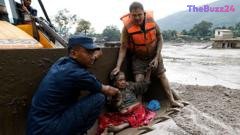
Footage emerging from northern Nepal captures the harrowing reality of the disaster, showing emergency responders and local citizens working to pull survivors from thick, debris-filled mud. The Nepalese army and armed police forces have been deployed to the affected areas, utilizing specialized equipment to navigate the treacherous terrain and locate those trapped by the deluge.
While rescue efforts are underway on the Nepalese side, authorities are facing significant logistical hurdles in reaching the most severely impacted zones near the Tibetan border. The combination of damaged infrastructure and unstable ground has hampered the ability of aid teams to provide timely assistance to remote mountain communities, leaving many in a precarious situation as the search for missing persons intensifies.
Key Takeaways
- Flash floods along the Nepal-Tibet border have resulted in at least 160 confirmed fatalities.
- Hundreds of people remain missing as rescue teams navigate difficult terrain and mud-covered disaster zones.
- Nepalese military and police forces are leading the recovery efforts, though access to remote areas remains a critical challenge.
Editor’s Analysis & Impact
The tragic flooding in the Nepal-Tibet border region highlights the increasing vulnerability of high-altitude Himalayan communities to extreme weather events. As climate patterns shift, the frequency and intensity of flash floods in these mountainous regions are expected to rise, posing a severe threat to infrastructure and human life. The disaster underscores a critical need for improved early-warning systems and more robust disaster management protocols in transboundary regions. Economically, the destruction of roads and bridges in this area will likely disrupt local trade and tourism, leading to long-term recovery costs for the affected provinces. Future development in these regions must prioritize climate-resilient infrastructure to mitigate the impact of similar environmental catastrophes, which are becoming a recurring challenge for the South Asian region.
Frequently Asked Questions
Q: What is the current status of the rescue operations?
A: Rescue operations are ongoing, with the Nepalese army and armed police forces actively searching for survivors. However, access to the Tibet side of the border remains difficult due to damaged infrastructure.
Q: How many people have been affected by the floods?
A: The death toll has exceeded 160, with hundreds of individuals currently reported as missing.
AI Disclosure: This article is based on verified data and official reports. Our Team and AI have cross-referenced every financial detail with primary sources to ensure total accuracy.
More from this Category