Government Moves to Expand Association Health Plans, Potentially Lowering Costs for Some Workers
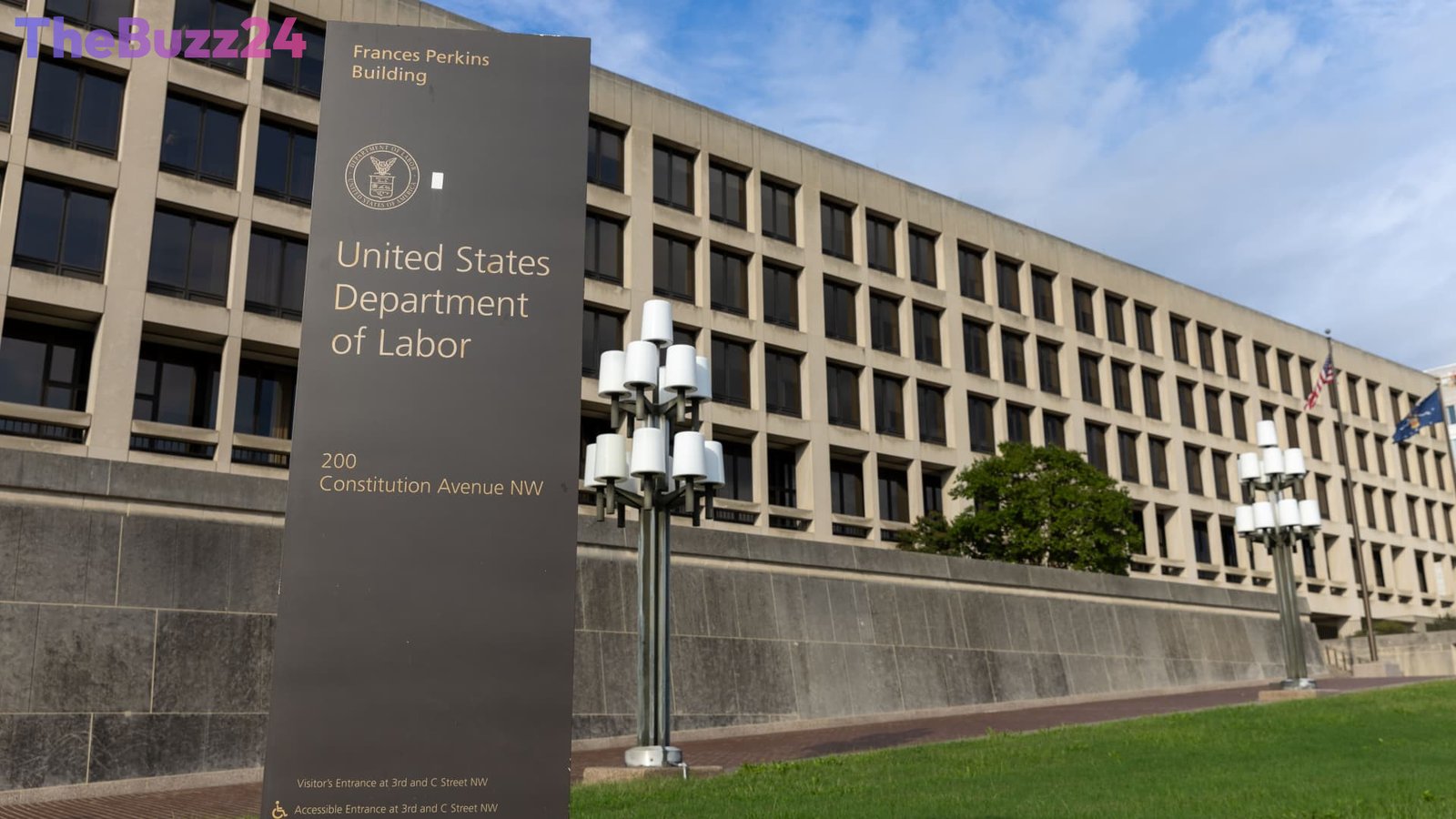
The U.S. Labor Department is preparing to introduce a new rule aimed at broadening access to health insurance plans offered by various membership organizations, a move that could significantly impact insurance costs for self-employed individuals and small businesses. The proposed regulation, currently under White House review, seeks to redefine the term “employer” under federal benefits law, thereby enabling associations to offer coverage to a wider range of their members.
This initiative represents a renewed effort to expand so-called association health plans (AHPs), following a previous attempt during the Trump administration that was largely struck down by federal courts. Supporters argue that such plans could provide more affordable insurance options, particularly for independent contractors and small business owners who have faced soaring premiums in the Affordable Care Act (ACA) marketplace, especially after the expiration of enhanced ACA subsidies at the end of 2025. Organizations like the National Association of Realtors have long advocated for AHPs, citing the need for self-employed professionals to have comparable coverage choices to traditional employees.
Experts suggest that if AHPs are treated as large-group plans, they might offer lower premiums by not being subject to all the same regulations as individual and small-group plans under the ACA. For instance, they may not be required to adhere to strict age-rating rules, potentially benefiting younger enrollees. However, concerns remain that if healthier, younger individuals opt for AHPs, it could destabilize the ACA marketplace by leaving a smaller pool of enrollees with higher average healthcare needs, thus driving up premiums for those remaining.
The specifics of the Labor Department’s proposal are not yet public, making it difficult to predict the exact impact. The previous rule, introduced in 2018, was challenged in court for redefining “employer” too broadly and for allowing associations with members in unrelated industries to offer plans. The success of this new proposal will likely hinge on how it addresses these legal precedents and balances the potential cost savings for some with the stability of the broader health insurance market.
Key Takeaways
- The U.S. Labor Department is proposing a new rule to expand access to Association Health Plans (AHPs).
- The move aims to potentially lower health insurance costs for self-employed workers and small businesses.
- Concerns exist that expanding AHPs could lead to higher premiums for individuals remaining in the ACA marketplace.
Editor’s Analysis & Impact
This proposed expansion of Association Health Plans signals a significant shift in the administration’s approach to health insurance affordability, particularly for the self-employed and small business sector. By revisiting the definition of ’employer,’ the Labor Department is attempting to navigate past legal challenges that previously thwarted similar initiatives. The potential for lower premiums through AHPs, especially as ACA subsidies expire, could be a major draw. However, the long-term implications for the ACA marketplace are a critical concern. A potential adverse selection effect, where healthier individuals migrate to AHPs, could destabilize the individual market, leading to increased costs for those who rely on ACA-compliant plans. The success of this policy will depend on its ability to foster competition and offer genuine savings without undermining the existing safety net.
Frequently Asked Questions
Q: What are Association Health Plans (AHPs)?
A: Association Health Plans (AHPs) are health insurance plans offered by certain membership organizations or trade associations to their members, who are typically self-employed or small business owners. The goal is to provide coverage similar to that offered to employees of large companies.
Q: How could AHPs potentially lower insurance costs?
A: AHPs might be able to offer lower premiums by being treated as large-group plans, which are subject to fewer regulations than individual or small-group plans under the ACA. This could allow them to avoid certain cost-increasing mandates, such as strict age-rating rules, and potentially negotiate better rates.
Q: What are the potential downsides of expanding AHPs?
A: A primary concern is that if AHPs attract a disproportionate number of younger, healthier individuals due to lower costs, the risk pool within the ACA marketplace could become smaller and sicker. This adverse selection could lead to significantly higher premiums for those who remain in the ACA marketplace.
AI Disclosure: This article is based on verified data and official reports. Our Team and AI have cross-referenced every financial detail with primary sources to ensure total accuracy.
More from this Category