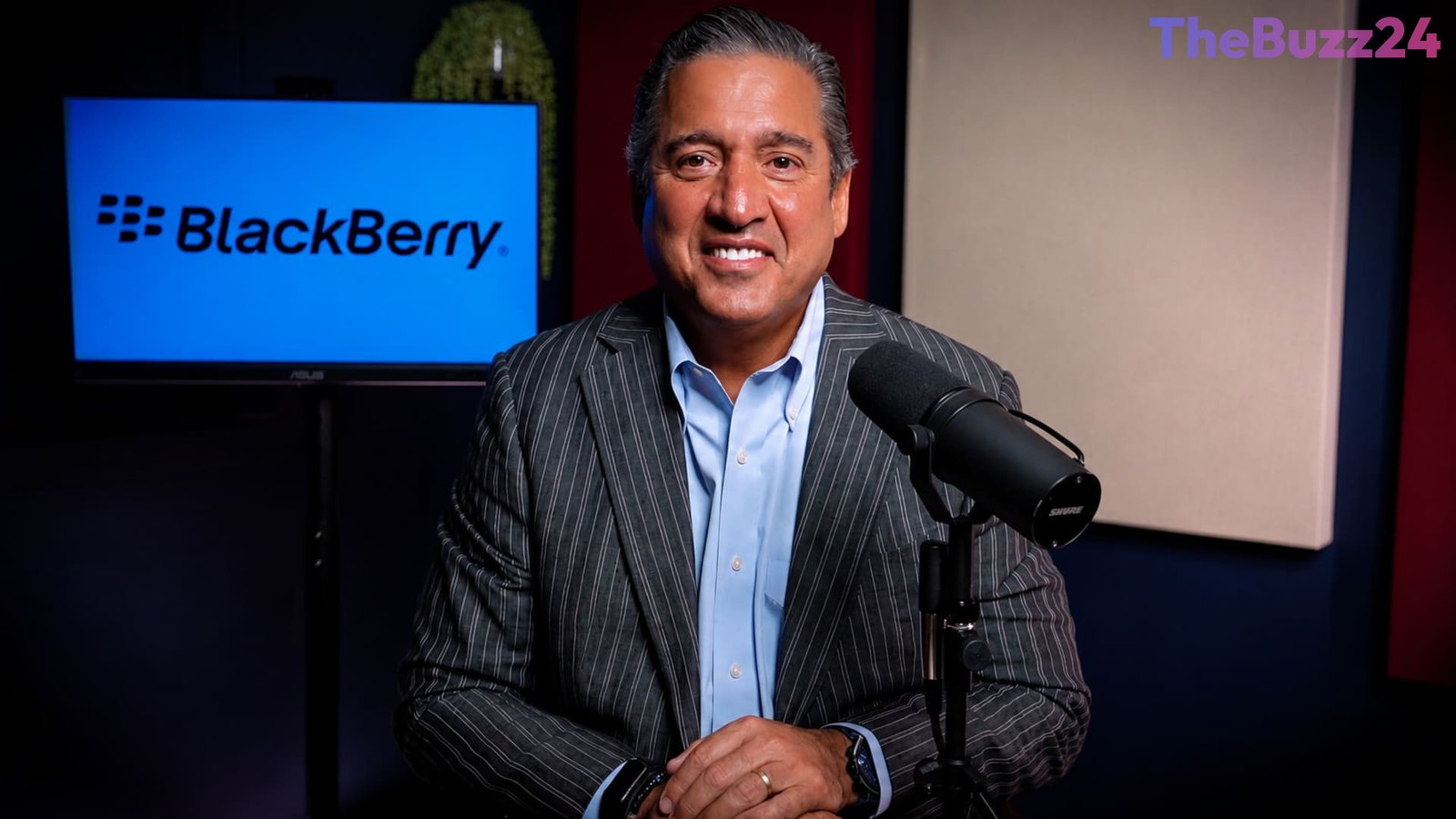
From Smartphones to Software: How BlackBerry is Pivoting Toward an AI-Driven Future
Once a dominant force in the mobile handset market, BlackBerry has successfully transitioned from a consumer hardware manufacturer into a specialized software powerhouse. While the company is no longer defined by its iconic physical keyboards or the once-ubiquitous BlackBerry Messenger, its recent financial performance suggests a strong market endorsement of its new direction. With its share price doubling this year, the firm is increasingly focused on high-stakes sectors including secure communications and automotive software.
At the heart of this transformation is the QNX platform, an operating system currently embedded in approximately 275 million vehicles worldwide. This software manages critical functions ranging from standard braking systems to advanced semi-autonomous driving features. By prioritizing safety-critical standards, BlackBerry has positioned itself as a vital infrastructure provider for the automotive industry, creating a robust foundation for its next phase of growth.
Looking ahead, CEO John Giamatteo is steering the company toward the burgeoning field of ‘physical AI,’ which includes autonomous vehicles and industrial robotics. Unlike the consumer-facing humanoid robots often highlighted in media, BlackBerry is targeting the factory and medical sectors, where precision and reliability are paramount. With a $950 million order backlog for its QNX portfolio, the company is betting that its reputation for security and trust will make it an indispensable partner in the evolving landscape of automated machinery and robotics.
Key Takeaways
- BlackBerry has successfully pivoted from consumer mobile devices to a specialized software-first business model.
- The company's QNX operating system is currently integrated into 275 million vehicles, serving as a core revenue driver.
- BlackBerry is aggressively expanding into 'physical AI,' focusing on industrial and medical robotics rather than consumer-grade humanoid robots.
Editor’s Analysis & Impact
BlackBerry’s transition represents a textbook case of corporate survival through strategic divestment and specialization. By abandoning the saturated and highly competitive consumer smartphone market, the company has successfully leveraged its legacy reputation for security to capture a niche in the automotive and industrial sectors. The shift toward ‘physical AI’ is a calculated move to capitalize on the increasing demand for reliable, safety-certified software in robotics. If the company can maintain its momentum in the QNX portfolio, it is well-positioned to become a critical backbone for the next generation of industrial automation. However, the firm faces stiff competition from other software providers and tech giants also vying for dominance in the autonomous systems space, making its ability to scale its robotics backlog a key metric for long-term viability.
Frequently Asked Questions
Q: What is BlackBerry's primary business focus today?
A: BlackBerry currently focuses on secure communications for government and enterprise clients, as well as providing safety-critical software for the automotive industry through its QNX platform.
Q: What does BlackBerry mean by 'physical AI'?
A: The company uses the term 'physical AI' to describe software-driven autonomous systems, specifically focusing on industrial, factory, and medical robotics rather than consumer-facing humanoid robots.
AI Disclosure: This article is based on verified data and official reports. Our Team and AI have cross-referenced every financial detail with primary sources to ensure total accuracy.
More from this Category