Iran Urges Global Rejection of US Sanctions, Links Strait of Hormuz Reopening to Diplomacy
Iran has issued a strong appeal to the international community, urging all nations to resist and refuse the implementation of United States sanctions against Tehran. The Foreign Ministry stated that compliance with these sanctions would be considered complicity in enforcing what it described as the “illegal will” of the U.S. This call comes as Iran outlines specific conditions for the potential reopening of the strategically crucial Strait of Hormuz, a vital chokepoint for global oil trade.
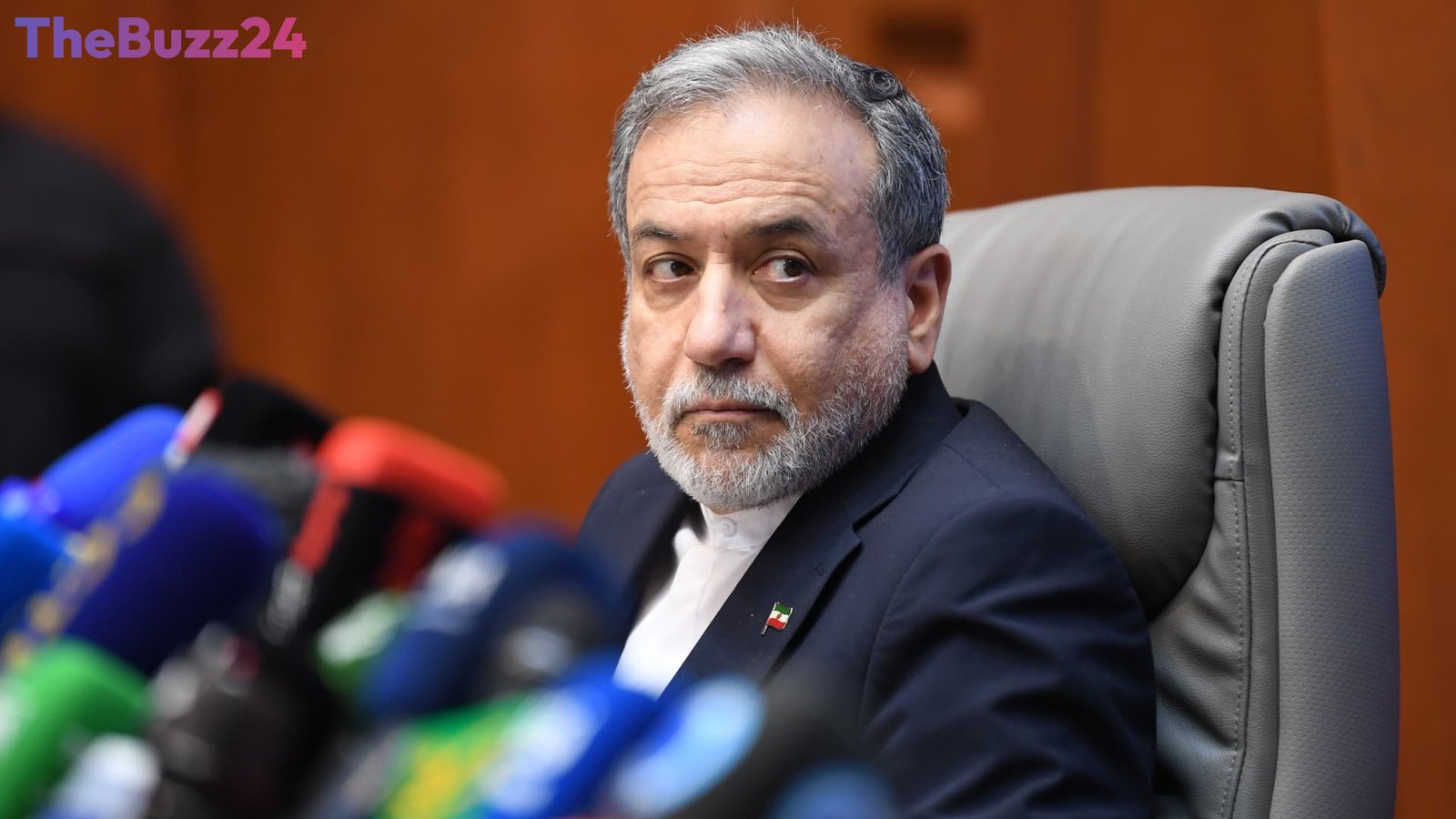
In a detailed communication, Iran’s top diplomat, Abbas Araghchi, indicated that renewed diplomatic negotiations with Washington are not out of the question, provided that U.S. economic pressure is eased. Araghchi emphasized that for diplomacy to resume, the U.S. must demonstrate trust, engage in respectful dialogue, acknowledge Iran’s rights, and honor existing commitments. He suggested that recent “creative discussions” with Qatari officials regarding safe passage through the Strait of Hormuz could pave the way for broader talks, but stressed that U.S. pressure tactics are counterproductive.
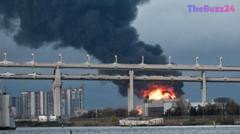
The geopolitical tensions surrounding the Strait of Hormuz have had a noticeable impact on global energy markets. Oil prices experienced a slight decline as traders closely observed the flow of crude through the waterway. International benchmark Brent crude futures and U.S. West Texas Intermediate futures both saw modest dips. Meanwhile, officials have also linked any potential understanding regarding the Strait of Hormuz to the cessation of conflicts in regions such as Lebanon, Gaza, and Syria, suggesting a broader regional peace is a prerequisite for de-escalation in the vital maritime passage.
Key Takeaways
- Iran is calling on global nations to reject U.S. sanctions, warning against complicity.
- Tehran has set conditions for reopening the Strait of Hormuz, linking it to eased U.S. pressure and regional conflict resolution.
- Oil prices showed a slight dip as markets monitor the situation in the Strait of Hormuz.
Editor’s Analysis & Impact
Iran’s assertive stance on U.S. sanctions and its conditional approach to reopening the Strait of Hormuz underscore the ongoing geopolitical friction impacting global energy markets. The nation’s appeal for international solidarity against sanctions highlights a strategy to counter U.S. economic pressure by seeking broader diplomatic and economic alliances. The linkage of Hormuz passage to regional conflicts suggests Iran’s intent to leverage its strategic position for wider political objectives. This complex interplay of sanctions, diplomacy, and regional stability will continue to be a key factor influencing oil prices and international relations in the Middle East.
Frequently Asked Questions
Q: What is the Strait of Hormuz and why is it important?
A: The Strait of Hormuz is a narrow waterway connecting the Persian Gulf and the Gulf of Oman. It is one of the world's most critical oil transit points, with a significant portion of global oil supply passing through it daily.
Q: What are the conditions Iran has set for reopening the Strait of Hormuz?
A: Iran has indicated that reopening the Strait of Hormuz is contingent upon the easing of U.S. economic pressure, respectful dialogue from the U.S., acknowledgment of Iran's rights, and the upholding of commitments. Additionally, Iranian officials have linked any understanding to the cessation of conflicts in Lebanon, Gaza, and Syria.
Q: How have U.S. sanctions affected Iran?
A: The U.S. has implemented a strategy of "economic D-Day" against Iran, imposing sanctions that threaten countries doing business with the Islamic Republic. This economic pressure is aimed at compelling Iran to alter its behavior and potentially return to negotiations.
AI Disclosure: This article is based on verified data and official reports. Our Team and AI have cross-referenced every financial detail with primary sources to ensure total accuracy.
More from this Category