The Hidden Risks of Consolidation: How Taylor Farms Became a Central Pillar of the U.S. Food Supply
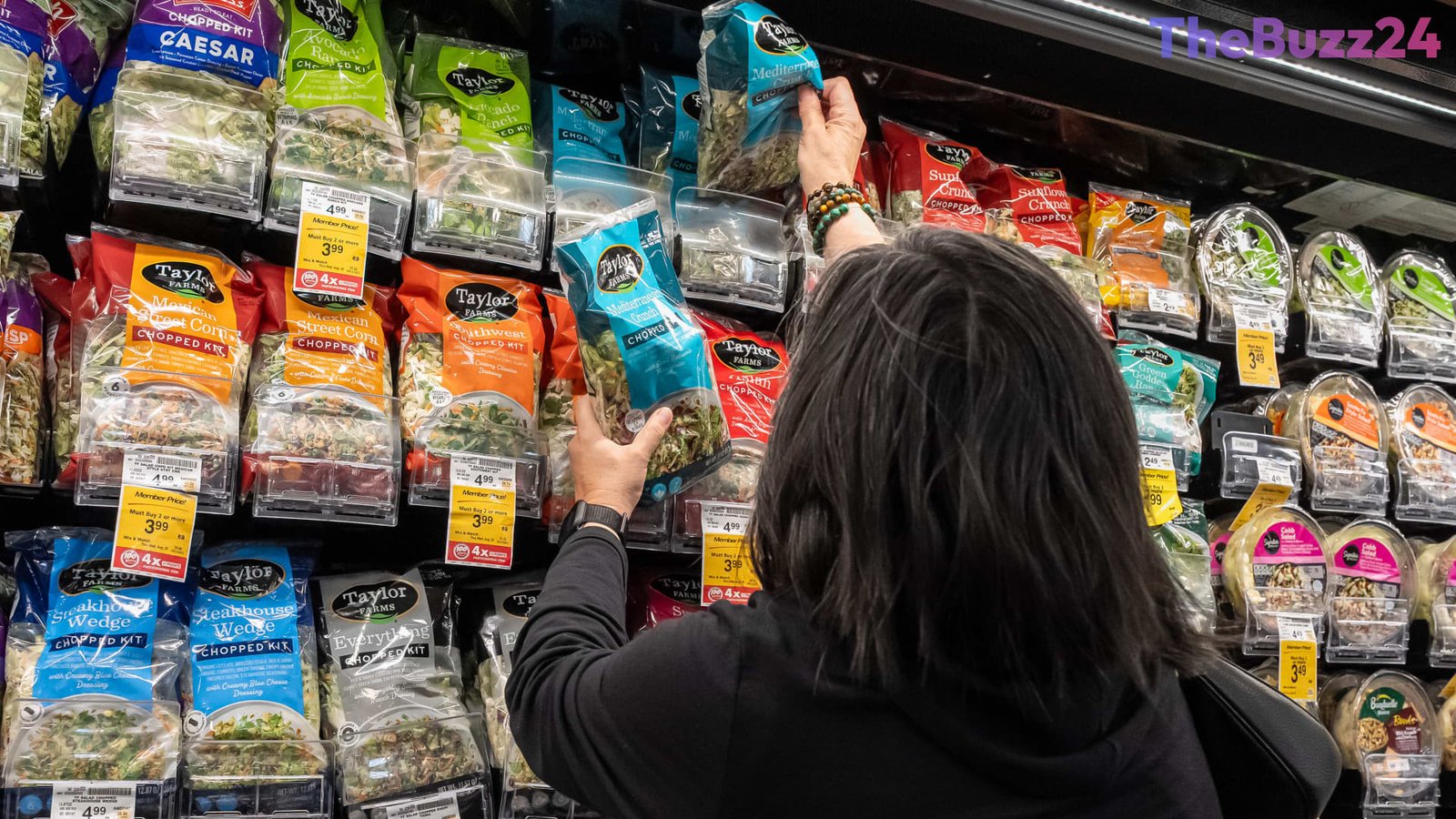
Taylor Farms has evolved into a dominant force in the American food supply chain, positioning itself as a primary provider of fresh-cut vegetables and salads for the nation’s largest grocery retailers and restaurant chains. By integrating processing, packaging, and distribution, the company has become an indispensable partner for major brands like Walmart, Kroger, McDonald’s, and Taco Bell. However, this massive scale has recently come under intense scrutiny following a historic cyclospora outbreak linked to the company’s facilities, raising significant questions about the vulnerabilities inherent in a consolidated food system.
Founded in 1995, Taylor Farms achieved its current market position through a series of strategic acquisitions and investments, allowing it to control a substantial portion of the produce journey from farm to table. By offering standardized, labor-saving products, the company has effectively streamlined operations for major restaurant chains that require consistent, high-volume supply. Yet, industry experts warn that this centralization creates a ‘single point of failure’ scenario. When a contamination event occurs within such a vast network, the impact is magnified across thousands of retail and dining locations simultaneously, turning localized safety issues into widespread public health crises.
In response to the recent outbreak, Taylor Farms has defended its safety protocols, noting that it invests over $200 million annually in food safety measures. The company has taken steps to mitigate further risks, including the voluntary suspension of iceberg lettuce sourcing from central Mexico and the commissioning of independent safety reviews. Despite these efforts, the situation has reignited a broader debate regarding the adequacy of regulatory oversight. Critics argue that as food distributors grow in size and political influence, the ability of federal agencies to enforce stringent safety standards becomes increasingly complicated, potentially prioritizing corporate efficiency over public health.
As investigations continue, the incident serves as a stark reminder of the trade-offs involved in modern food logistics. While consolidation provides consumers with affordable, convenient access to fresh produce, it also concentrates risk. The ongoing legal challenges and public health concerns highlight a growing tension between the benefits of a highly efficient, centralized food supply and the necessity for robust, independent oversight to ensure the safety of the American food system.
Key Takeaways
- Taylor Farms supplies a significant portion of the U.S. fresh-cut vegetable market, making it a critical link for major retailers and restaurant chains.
- The company's massive scale means that food safety failures can have a disproportionately large impact on public health across the country.
- The recent cyclospora outbreak has sparked a national conversation about the risks of food industry consolidation and the effectiveness of current regulatory oversight.
Editor’s Analysis & Impact
The Taylor Farms situation illustrates a classic ‘efficiency vs. resilience’ paradox in the global food supply chain. By consolidating the processing and distribution of produce, the industry has achieved remarkable cost savings and consistency, which benefits both corporate bottom lines and consumer prices. However, this model creates systemic fragility. When a single entity controls such a large share of the market, the ‘blast radius’ of a contamination event expands exponentially. Moving forward, the industry will likely face increased pressure from regulators to implement more transparent supply chain tracking and stricter safety audits. The broader implication is a potential shift in consumer and investor sentiment, where the ‘just-in-time’ efficiency model may be increasingly weighed against the necessity of diversified, localized supply chains to prevent future large-scale health crises.
Frequently Asked Questions
Q: Why is Taylor Farms so integral to the U.S. food supply?
A: Taylor Farms has built an infrastructure that handles everything from washing and chopping to distribution, allowing major restaurant chains and grocers to outsource labor-intensive preparation and maintain a consistent supply of produce across thousands of locations.
Q: What is the primary concern regarding the consolidation of food suppliers?
A: The primary concern is that consolidation creates a 'single point of failure.' If a contamination event occurs at a major processing facility, the scale of the company ensures that the affected product is distributed to a vast number of outlets, making it difficult to contain the spread of foodborne illnesses.
AI Disclosure: This article is based on verified data and official reports. Our Team and AI have cross-referenced every financial detail with primary sources to ensure total accuracy.
More from this Category