Macron Appeals for Peace Amid Severe Unrest and Widespread Looting Across France
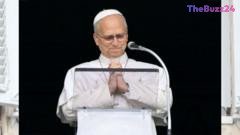
French President Emmanuel Macron has convened an emergency crisis meeting at the Élysée Palace to address the severe wave of civil unrest that has gripped the nation. During a televised national address, Macron emphasized the urgent need for calm and order, warning that the escalating violence and destruction must be brought to an immediate halt.
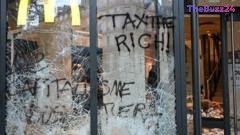
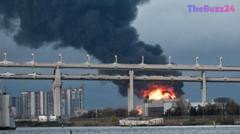
The widespread demonstrations initially began as peaceful protests against the surging cost of living, high fuel prices, and declining public services, drawing hundreds of thousands of participants nationwide. However, peaceful gatherings in major urban centers including Paris, Marseille, and Lille quickly deteriorated into chaos, marked by widespread looting, arson, and violent clashes with law enforcement.
While acknowledging the public’s grievances, Macron drew a sharp distinction between legitimate civic dissent and the criminal acts committed by masked agitators who targeted shops and public infrastructure. Authorities have confirmed thousands of arrests following the weekend’s turmoil, which also left hundreds of police officers injured. In response, local officials are coordinating enhanced security measures to protect commercial and public spaces while ensuring full accountability regarding the police response to the demonstrations.
Key Takeaways
- French President Emmanuel Macron called for national calm following severe riots and looting.
- Protests sparked by rising fuel prices and living costs drew hundreds of thousands before turning violent in major cities.
- Authorities have made thousands of arrests and reported around 1,000 injured police officers during the weekend clashes.
Editor’s Analysis & Impact
The intense civil unrest sweeping across France highlights deep-seated economic anxieties regarding inflation, taxation, and the rising cost of living that are currently challenging governments globally. When legitimate public frustration over economic policies boils over into systemic violence, it places immense pressure on national leadership to balance rigorous law enforcement with meaningful policy reforms. For investors and market analysts, prolonged domestic instability in a major European economy like France can introduce short-term volatility, impact retail and tourism sectors, and test the administration’s political capital. Moving forward, the government’s ability to address underlying economic grievances while restoring public safety will be crucial in determining both social cohesion and economic resilience in the region.
Frequently Asked Questions
Q: What triggered the initial protests in France?
A: The demonstrations initially began as peaceful protests against rising fuel prices, the overall cost of living, and deteriorating public services such as schools.
Q: How did President Macron respond to the violence?
A: President Macron called for calm during a national television address, drew a line between legitimate protest and criminal looting, and pledged full transparency regarding the police response while coordinating with local mayors to secure public spaces.
Q: Which cities were most affected by the rioting and looting?
A: Major urban areas including Paris, Marseille, and Lille experienced severe rioting, arson, and widespread looting.
AI Disclosure: This article is based on verified data and official reports. Our Team and AI have cross-referenced every financial detail with primary sources to ensure total accuracy.
More from this Category