Widespread Destruction and Looting Follow Massive Civil Unrest Across France
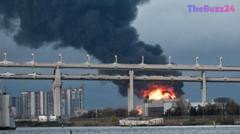
France is grappling with the aftermath of one of the most violent episodes of civil disorder in its modern history. Following a day of widespread demonstrations against the rising cost of living, fuel prices, and deteriorating public services, major cities including Paris, Marseille, and Lille were left scarred by fire, shattered glass, and extensive looting. While hundreds of thousands of citizens participated in largely peaceful protests, the atmosphere shifted as groups of masked rioters engaged in targeted attacks on businesses and public infrastructure.
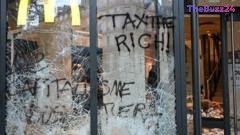
In the capital, the streets were littered with the remnants of burnt-out vehicles and debris. Riot police were forced to deploy tear gas and water cannons to manage the chaos, as clashes erupted near the Place de la République and other central hubs. The violence extended beyond the streets, with reports of high-end designer boutiques, including Gucci and Ralph Lauren, being ransacked. In other regions, the destruction was even more severe; a historic tourist office in Lyon was set ablaze, and the town hall in Limoges suffered catastrophic damage after being intentionally targeted by rioters.
Authorities reported that over 500 police officers and emergency responders sustained injuries during the confrontations. The Retail and Trade Federation estimated that approximately 1,500 businesses were damaged or looted during the unrest. While government officials acknowledged the right to protest, they condemned the actions of those who exploited the demonstrations to commit criminal acts. President Emmanuel Macron is expected to address the nation to discuss the scale of the destruction and the government’s response to the escalating crisis.
As the cleanup begins, the economic and social toll remains significant. Shopkeepers and residents are left to survey the wreckage, with many expressing shock at the impunity with which looters operated. The government now faces the difficult task of balancing the legitimate grievances of its citizens regarding economic hardship with the urgent need to restore order and protect public and private property from further destruction.
Key Takeaways
- Over 1,800 arrests were made following widespread riots and looting across major French cities.
- Approximately 1,500 businesses were damaged, with significant destruction reported at both luxury retailers and historic public buildings.
- The unrest was sparked by protests over the cost of living and public service conditions, but was exacerbated by criminal groups targeting infrastructure.
Editor’s Analysis & Impact
The recent wave of violence in France represents a critical inflection point for the current administration. The convergence of economic anxiety—driven by inflation and energy costs—with opportunistic criminal activity creates a volatile environment that threatens both social cohesion and investor confidence. The destruction of historic landmarks and retail hubs suggests that the unrest has moved beyond traditional political protest into a phase of systemic disruption. Moving forward, the government faces a dual challenge: addressing the underlying economic grievances that fueled the initial demonstrations while simultaneously implementing stricter security measures to prevent further looting. Failure to stabilize the situation could lead to a prolonged period of economic stagnation and a deepening divide between the state and the public, potentially impacting future trade and tourism sectors.
Frequently Asked Questions
Q: What were the primary reasons for the protests in France?
A: The protests were initially organized to express public frustration over rising fuel prices, the high cost of living, and the decline of public services, particularly within the education sector.
Q: How did the government respond to the rioting?
A: Police utilized tear gas and water cannons to disperse crowds, resulting in approximately 1,800 arrests. The government has condemned the violence and is currently assessing the extensive damage to public and private property.
AI Disclosure: This article is based on verified data and official reports. Our Team and AI have cross-referenced every financial detail with primary sources to ensure total accuracy.
More from this Category