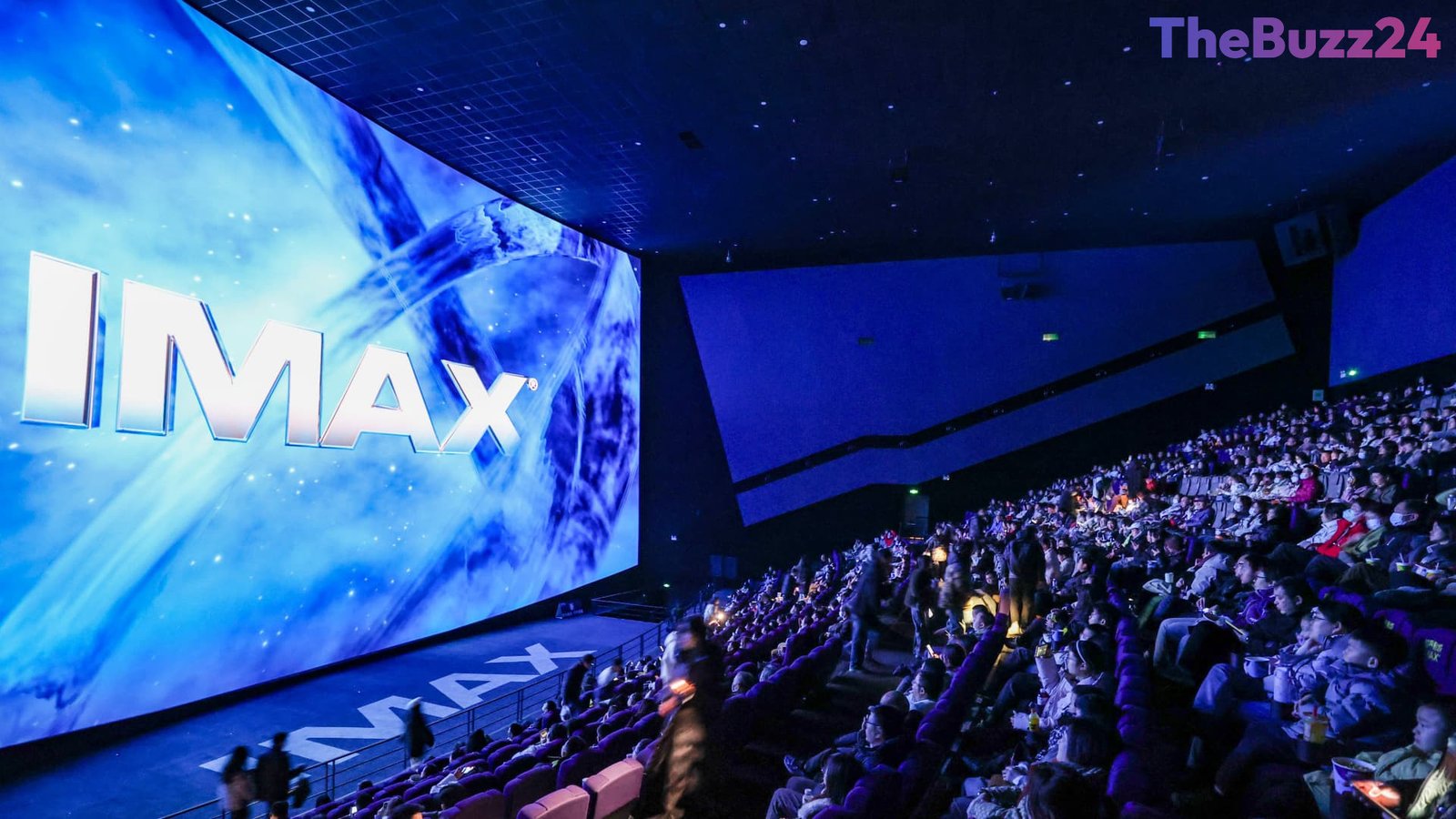
The Imax Paradox: Why Hollywood’s Hottest Asset Is Still Struggling to Find a Buyer
Despite riding a historic wave of record-breaking box office revenues and soaring stock valuations, Imax continues to navigate the market as an independent entity. Nearly nine months after leadership first hinted at a potential corporate sale, the company has yet to formally engage with interested buyers or lock down formal acquisition pitches. This hesitation from the market is not due to a lack of performance; in fact, the cinema technology brand is seeing unprecedented demand, driven by massive global hits like Christopher Nolan’s productions and strong early ticket sales for upcoming blockbusters.
At the core of the acquisition standstill lies a structural conflict of interest. Major traditional Hollywood studios—including Disney, Universal, Paramount, and Warner Bros.—would struggle to integrate Imax without alienating competitors. Because the company maintains a studio-agnostic business model, treating every major film distributor equally, a buyout by any single studio would immediately trigger concerns regarding preferential treatment for holiday and summer release slots. Furthermore, the specialized nature of premium large-format screens means a single studio’s pipeline alone could rarely sustain a full year of blockbuster-exclusive programming.
Beyond traditional studios, industry analysts have pointed toward technology giants such as Apple, Amazon, Netflix, and Sony, alongside private equity firms, as viable alternative suitors. While companies with diverse tech and streaming ecosystems could theoretically leverage Imax’s global footprint and distribution strengths, soaring share prices have altered the financial equation. With a market capitalization approaching $3 billion and shares hitting all-time highs following a nearly 80% surge over the past year, acquiring the asset has simply become significantly more expensive than it was just months prior.
Ultimately, Imax is under no pressure to rush into a deal. Benefiting from robust cash flow generation, expanding global partnerships spanning Asia, and premium pricing models that continue to attract enthusiastic moviegoers, the company remains comfortably positioned as a standalone enterprise. Leadership can afford to wait for a substantial premium rather than entertain opportunistic bids, ensuring that any future merger or acquisition would have to fundamentally respect the unique neutral ecosystem the brand has spent decades building.
Key Takeaways
- Imax leadership opened the door to a corporate sale late last year, but no official buyers or formalized pitches have emerged despite record-breaking box office metrics.
- Major Hollywood studios face inherent conflicts of interest and cannot easily acquire Imax without disrupting the company's studio-agnostic market position.
- A soaring stock price and a market capitalization nearing $3 billion have driven up valuation, making potential tech or private equity buyers more cautious.
Editor’s Analysis & Impact
The current stalemate surrounding Imax highlights a fascinating paradox in modern entertainment economics: an asset can be overwhelmingly successful yet structurally difficult to absorb. Because Imax functions as a neutral infrastructure provider for the entire Hollywood ecosystem, an acquisition by a major studio is practically a non-starter. Meanwhile, tech giants and streaming platforms are weighing the value of physical theatrical distribution against shifting consumer habits. As Imax continues to expand its international footprint and innovate with localized content, its strong standalone fundamentals give management ultimate leverage. Future M&A activity in this space will likely depend on whether private equity or a deeply capitalized tech firm is willing to pay a hefty premium for the crown jewel of premium cinema technology.
Frequently Asked Questions
Q: Why haven't major film studios bought Imax?
A: Major studios like Disney, Universal, and Warner Bros. face a severe conflict of interest. Because Imax operates as a neutral, studio-agnostic platform, an acquisition by one studio would make competitors fear they would lose fair access to prime release dates and screens.
Q: How is Imax performing financially?
A: Imax is experiencing massive momentum, with record-breaking ticket sales, significant international expansion, and shares hitting all-time highs following a nearly 80% surge over a 12-month period.
Q: Are there other potential buyers outside of Hollywood studios?
A: Yes, Wall Street analysts have pointed to major tech and streaming companies like Apple, Amazon, Netflix, and Sony, as well as private equity firms, as potential alternative suitors.
AI Disclosure: This article is based on verified data and official reports. Our Team and AI have cross-referenced every financial detail with primary sources to ensure total accuracy.
More from this Category