Iceland Faces Pivotal Referendum on EU Membership Amid Shifting Arctic Geopolitics
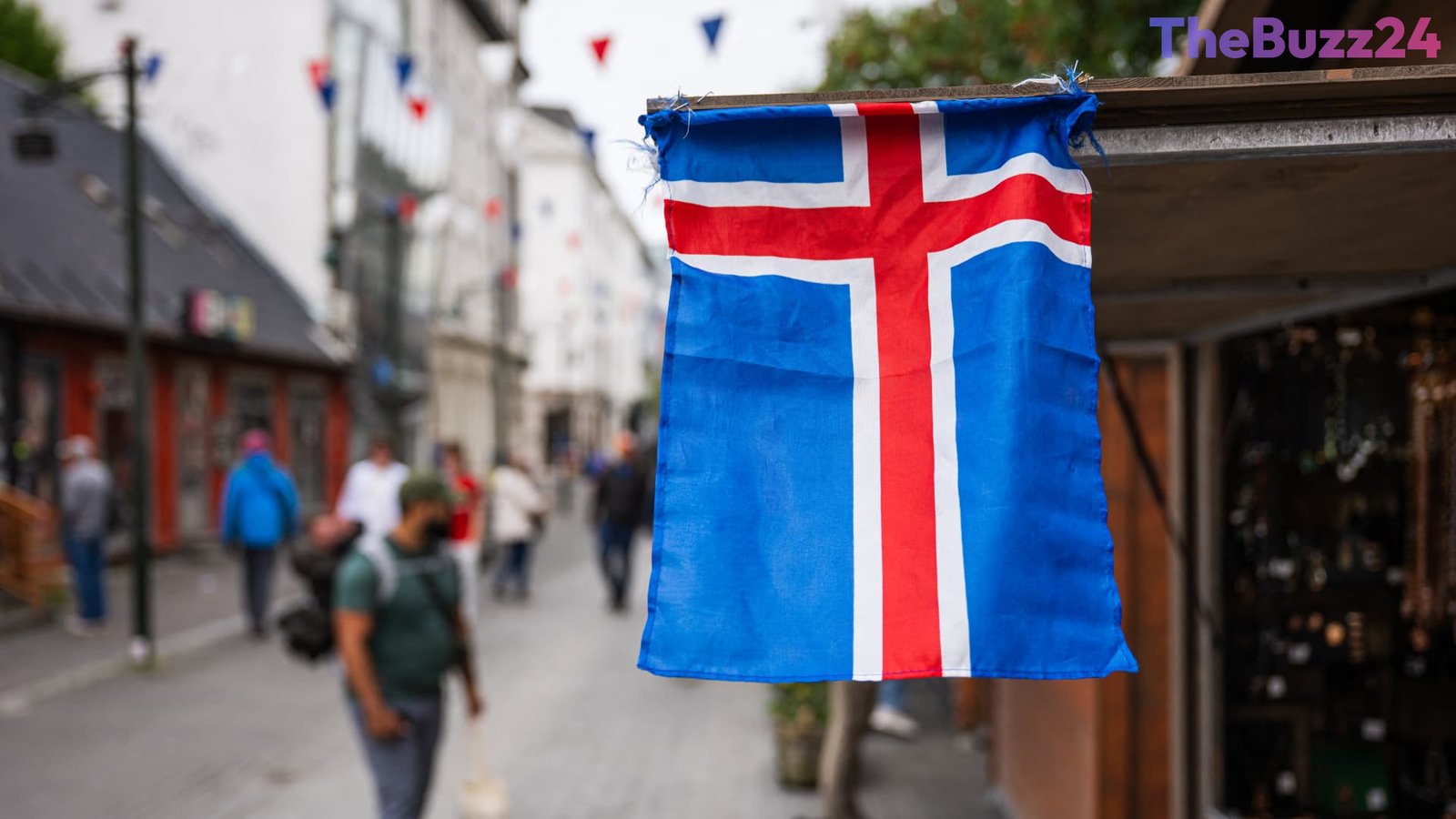
Iceland is heading to the polls for a high-stakes referendum that could fundamentally alter the nation’s relationship with the European Union. Voters are being asked whether the country should resume formal accession negotiations to join the bloc, a move that would restart a process suspended over a decade ago. Current polling suggests a deeply divided electorate, with the outcome expected to be decided by a narrow margin.
The debate over EU membership has gained renewed urgency due to evolving geopolitical tensions in the Arctic. As climate change opens new maritime routes and competition for critical minerals intensifies, Iceland’s strategic position—specifically its role in the GIUK Gap—has come under increased scrutiny. Concerns regarding the reliability of long-standing U.S. security commitments, coupled with external interest in the sovereignty of neighboring Greenland, have prompted many Icelanders to reconsider the benefits of deeper integration with European partners.
While security concerns provide a modern backdrop to the vote, domestic economic factors remain the primary drivers for many citizens. The potential adoption of the euro is a significant draw for those seeking to escape the volatility of the Icelandic krona and high domestic interest rates. However, the prospect of joining the EU faces stiff opposition from those concerned about sovereignty and the future of the nation’s vital fishing industry, which has historically been a point of contention in negotiations with Brussels.
Despite the uncertainty, Iceland remains closely tied to the continent through its membership in the European Economic Area and the Schengen Area, which already provide significant access to the single market and facilitate travel. Should the referendum result in a ‘yes’ vote, it would trigger a complex negotiation process, ultimately requiring a second public vote to ratify any final agreement. For the European Union, a successful accession would represent a notable expansion, potentially bolstering the bloc’s influence in the strategically critical Arctic region.
Key Takeaways
- Iceland is holding a referendum to decide whether to resume formal negotiations for European Union membership.
- The debate is driven by a mix of economic concerns, such as currency stability, and geopolitical anxieties regarding Arctic security.
- While Iceland is already integrated into the European market via the EEA, full membership remains a divisive issue due to concerns over fishing rights and national sovereignty.
Editor’s Analysis & Impact
The Icelandic referendum serves as a microcosm of the broader tension between national sovereignty and collective security in a post-Cold War world. Economically, the move toward the euro represents a desire for stability, yet the ‘totemic’ importance of the fishing industry acts as a significant barrier to EU integration. From a geopolitical perspective, Iceland is attempting to navigate a world where traditional security guarantees—specifically those involving the U.S.—are increasingly viewed as unpredictable. If Iceland chooses to pursue membership, it would provide the EU with a strategic foothold in the Arctic, a region of growing importance for global trade and resource extraction. Conversely, a rejection would signal a continued preference for the ‘middle ground’ of EEA membership, maintaining economic ties while preserving maximum political autonomy.
Frequently Asked Questions
Q: Why is the fishing industry a major point of contention for Iceland's EU bid?
A: The fishing industry is a cornerstone of the Icelandic economy. Many citizens fear that joining the EU would force the country to adhere to the bloc's Common Fisheries Policy, potentially leading to a loss of control over their territorial waters and fishing quotas.
Q: What is the current relationship between Iceland and the EU?
A: Iceland is not an EU member but is part of the European Economic Area (EEA), which grants it access to the EU's single market. It is also a member of the Schengen Area, allowing for passport-free travel with participating European nations.
AI Disclosure: This article is based on verified data and official reports. Our Team and AI have cross-referenced every financial detail with primary sources to ensure total accuracy.
More from this Category