Public Sentiment Shifts Against Automated License Plate Surveillance
A significant shift in public opinion has emerged regarding the use of automated license plate readers in local communities. Recent data indicates that a plurality of Americans now oppose the deployment of these surveillance systems, marking a notable reversal from previous years when support for such technology was more prevalent.
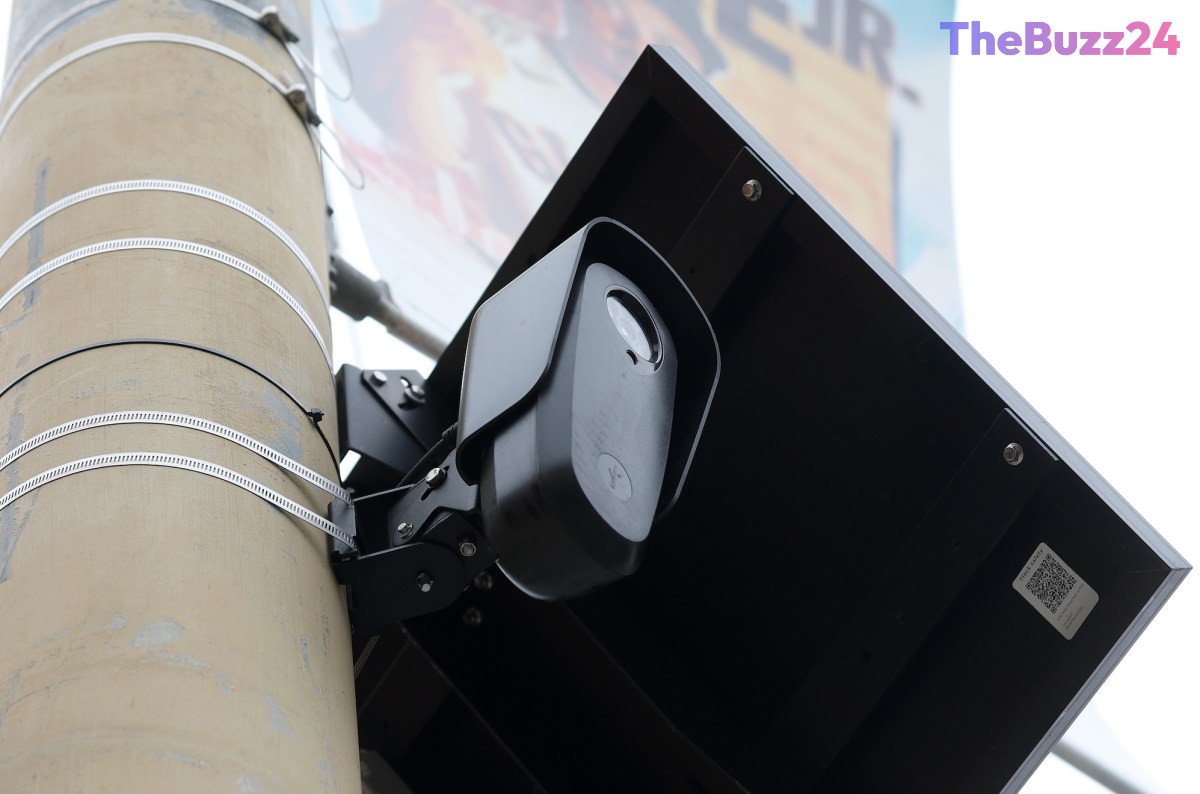
Flock, a prominent player in the surveillance industry, currently operates over 120,000 license plate readers nationwide. These devices are designed to track vehicle movements, a capability that has drawn intense scrutiny following reports of potential misuse by law enforcement agencies. As privacy concerns mount, numerous municipalities across the United States have opted to reject new contracts or terminate existing agreements with the company.
Beyond the statistical shift in opposition, the survey revealed that a large portion of the public does not believe these surveillance measures contribute to a greater sense of personal safety. While the company has attempted to address these concerns by introducing new privacy safeguards, critics—including civil liberties organizations—argue that such measures are insufficient to mitigate the risks posed to individual privacy. In response to the growing backlash and incidents of vandalism against its hardware, leadership at the firm has recently called for a broader dialogue regarding the balance between public security and individual privacy rights.
Key Takeaways
- Public opinion has flipped, with 46% of Americans now opposing license plate surveillance compared to 38% in favor.
- Privacy concerns and reports of police misuse have led multiple U.S. communities to cancel contracts with surveillance providers like Flock.
- A significant portion of the population reports that the presence of these cameras does not increase their personal sense of safety.
Editor’s Analysis & Impact
The shift in public sentiment toward automated surveillance represents a critical inflection point for the ‘smart city’ and law enforcement technology sectors. For years, the industry relied on the narrative that increased data collection was synonymous with increased public safety. However, this data suggests that the public is becoming increasingly skeptical of the trade-off between security and privacy. The future of this market will likely depend on whether companies can implement transparent, verifiable privacy safeguards that satisfy both municipal governments and civil liberties advocates. If the trend of contract cancellations continues, surveillance firms may face significant regulatory hurdles and a shrinking addressable market, forcing a pivot toward more privacy-centric product designs or stricter federal oversight to regain public trust.
Frequently Asked Questions
Q: Why are communities canceling contracts with surveillance companies?
A: Communities are increasingly concerned about privacy, the potential for police abuse of surveillance data, and a lack of evidence that these cameras significantly improve public safety.
Q: How do license plate readers function?
A: These systems use high-speed cameras to capture images of license plates, which are then processed and stored to track the movement and location of vehicles over time.
AI Disclosure: This article is based on verified data and official reports. Our Team and AI have cross-referenced every financial detail with primary sources to ensure total accuracy.
More from this Category