Artemis II Astronauts Awarded Highest US Space Honor Following Historic Lunar Mission
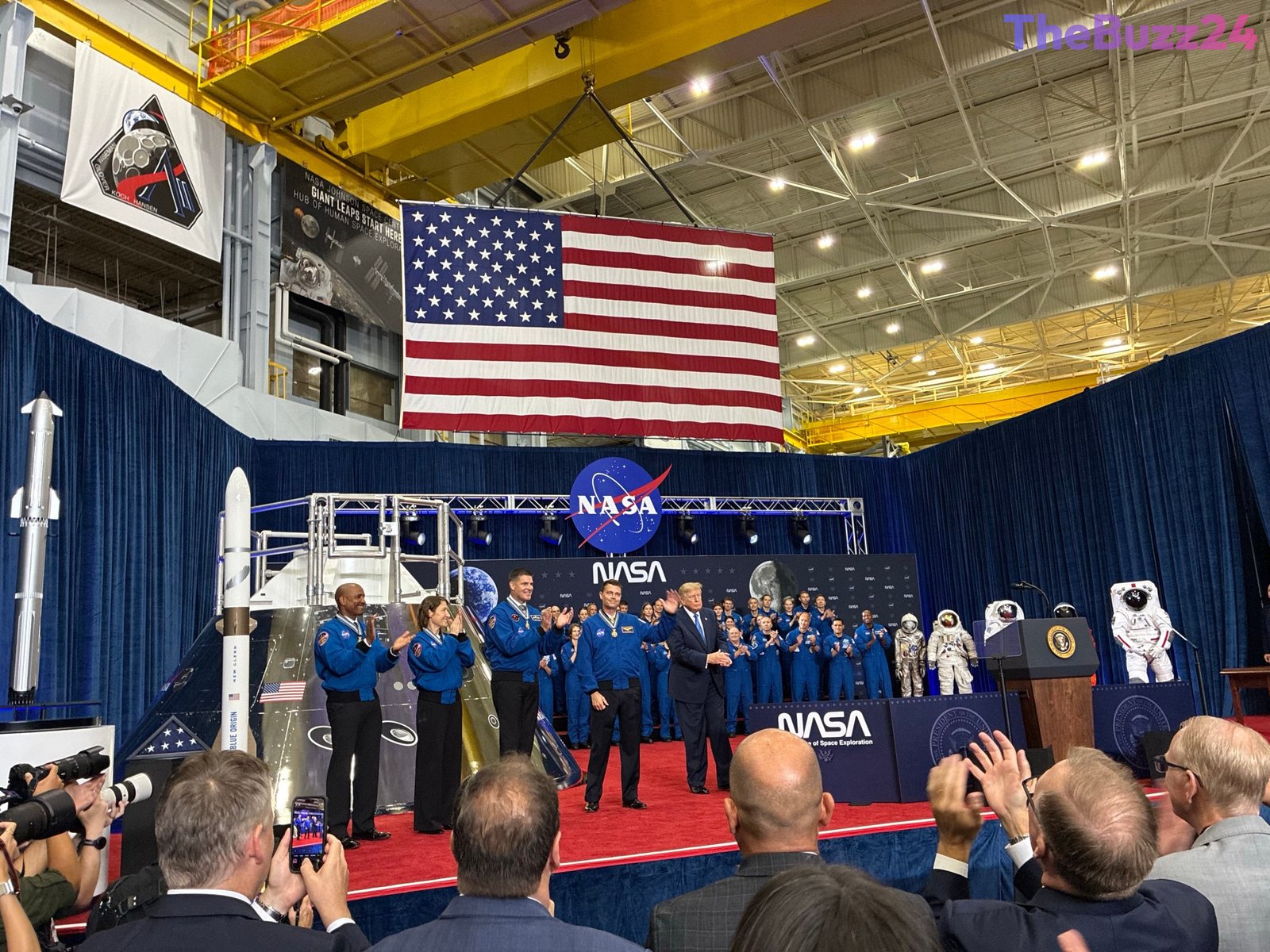
The crew behind NASA’s historic Artemis II mission has been officially recognized for their groundbreaking journey into deep space. During a ceremony held at the Johnson Space Center in Houston, the nation’s highest space honor, the Congressional Space Medal of Honor, was presented to NASA astronauts Reid Wiseman, Victor Glover, and Christina Koch, alongside Canadian Space Agency astronaut Jeremy Hansen.
The accolades follow the successful completion of the Artemis II flight, which launched earlier this year on the Space Launch System rocket and utilized the Orion spacecraft, affectionately named Integrity. Over the course of the mission, the crew traveled an unprecedented 252,756 miles away from Earth, shattering a longstanding distance record previously set by the Apollo 13 mission in 1970. The astronauts safely splashed down in the Pacific Ocean after logging nearly 700,000 total miles during their lunar flyby.
Leadership during the ceremony emphasized the profound courage and dedication required to push the boundaries of human spaceflight. Officials noted that the success of Artemis II represents a major milestone in renewing global interest in lunar exploration and sets a solid foundation for upcoming missions. The flight serves as a critical stepping stone for the broader Artemis program, which aims to return humans to the lunar surface and eventually pave the way for crewed expeditions to Mars.
Reflecting on the honor, the crew members dedicated their medals to the thousands of engineers, scientists, and support personnel whose tireless efforts made the flight possible. As space agencies look toward future operations, including the upcoming Artemis III and IV flights, the triumphs of the Artemis II team will remain a defining moment in modern aerospace history, signaling a new chapter in international collaboration and deep-space discovery.
Key Takeaways
- The four-member Artemis II crew received the Congressional Space Medal of Honor at NASA's Johnson Space Center.
- The mission set a new record by traveling 252,756 miles from Earth, surpassing the previous record held by Apollo 13.
- The successful flight marks a major milestone for the Artemis program, paving the way for future lunar surface landings and crewed Mars missions.
Editor’s Analysis & Impact
The awarding of the Congressional Space Medal of Honor to the Artemis II crew highlights a revitalized political and financial commitment to deep-space exploration. As governments and private aerospace entities ramp up investments in lunar architecture, milestones like Artemis II validate the technological readiness of heavy-lift systems like the Space Launch System and Orion. Beyond national prestige, this renewed space race stimulates substantial economic activity across advanced manufacturing, telecommunications, and defense contractor supply chains. The successful execution of these missions boosts public engagement, which is critical for securing long-term federal funding. Looking ahead, the operational lessons learned from Artemis II will directly influence the risk mitigation strategies and hardware development required for sustainable lunar habitation and eventual crewed missions to Mars, altering the geopolitical dynamics of outer space for decades to come.
Frequently Asked Questions
Q: What is the Congressional Space Medal of Honor?
A: Authorized by Congress in 1969, it is the highest United States award given to astronauts who distinguish themselves through exceptionally brave and meritorious efforts while performing their duties.
Q: Who were the recipients of the award for the Artemis II mission?
A: The medal was awarded to NASA astronauts Reid Wiseman, Victor Glover, and Christina Koch, along with Canadian Space Agency astronaut Jeremy Hansen.
Q: What records did the Artemis II mission break?
A: The crew traveled 252,756 miles from Earth, making it the farthest distance any humans have ever traveled into space, surpassing the record set by Apollo 13 in 1970.
AI Disclosure: This article is based on verified data and official reports. Our Team and AI have cross-referenced every financial detail with primary sources to ensure total accuracy.
More from this Category