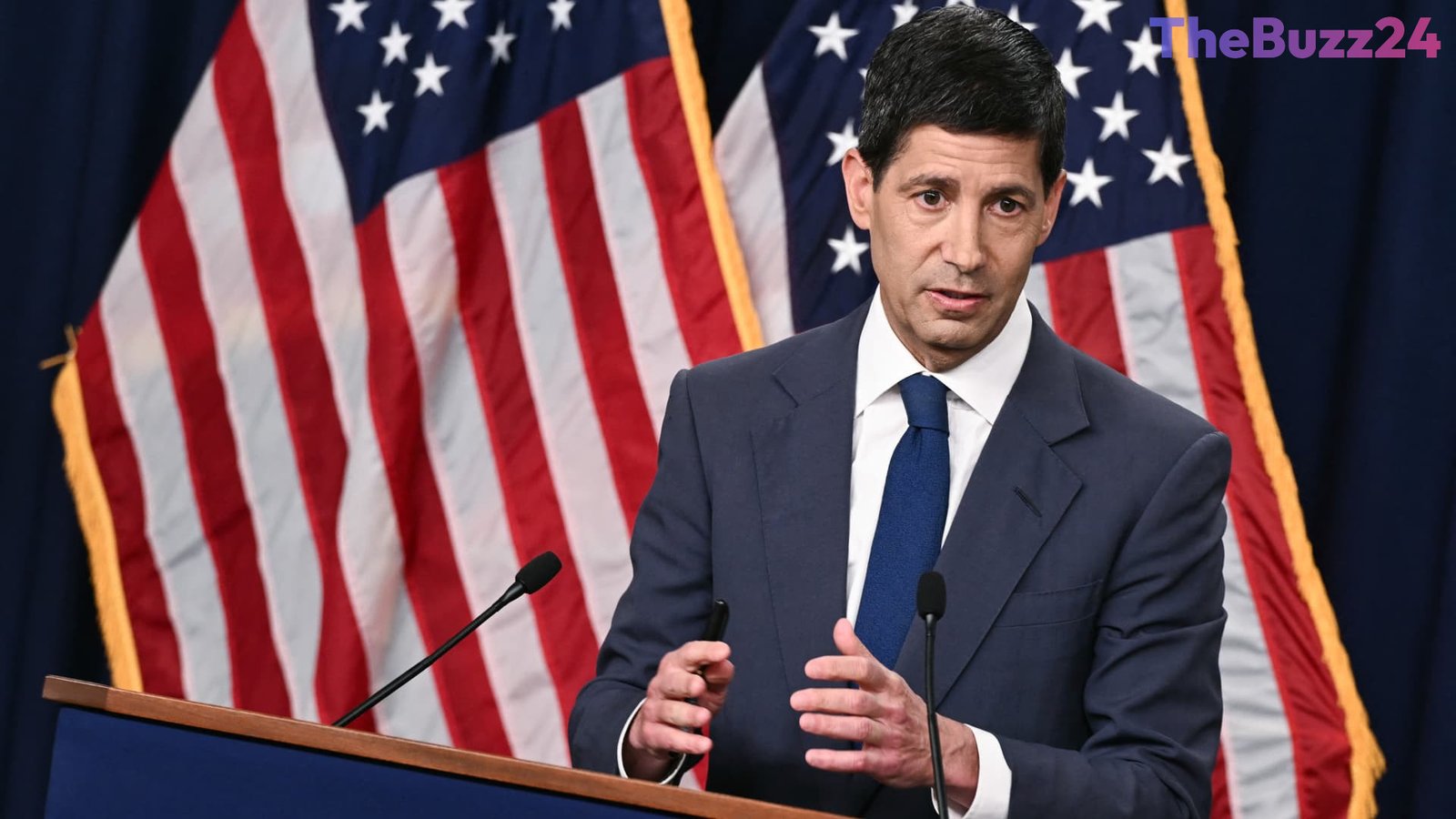
Federal Reserve Chair Kevin Warsh Signals Potential Rate Hikes Amid Persistent Inflation Concerns
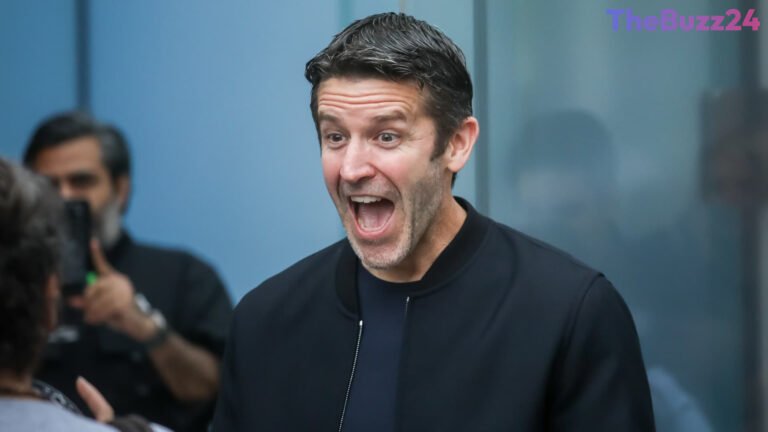
During his closely watched address at the annual economic symposium in Jackson Hole, Wyoming, Federal Reserve Chairman Kevin Warsh delivered a firm warning regarding persistent inflationary pressures. While noting that recent summer price readings offered some relief, Warsh cautioned that these figures do not signify a fundamental improvement in the nation’s underlying economic trends. He emphasized that the central bank must remain vigilant to ensure inflation steadily returns to its targeted objective.
Eschoing a philosophy of institutional restraint, Warsh used his platform to advocate for a ‘quieter’ central bank that relies less on heavy-handed forward guidance. Rather than providing explicit roadmaps or verbal cues for upcoming policy adjustments, the chairman stressed a commitment to disciplinary frameworks over reactionary decision-making. This approach marks a distinct departure from previous leadership styles, aiming to detach financial markets from hanging on every word uttered by monetary policymakers.
Financial markets reacted swiftly to the speech, with Treasury yields surging significantly and the policy-sensitive 2-year note climbing to its highest level since late July. Meanwhile, traders adjusted their expectations, elevating the probability of a future interest rate hike. Despite these market shifts, Warsh maintained a generally optimistic outlook on the broader economy, pointing to resilient consumer spending and productivity gains driven by artificial intelligence as pillars of ongoing economic strength.
Key Takeaways
- Federal Reserve Chair Kevin Warsh warned that recent inflation improvements do not guarantee a lasting downward trend.
- Warsh advocated for a 'quieter' central bank, aiming to reduce market dependence on explicit forward guidance.
- Treasury yields rose sharply following the speech, as traders began pricing in a higher probability of future interest rate hikes.
Editor’s Analysis & Impact
Federal Reserve Chairman Kevin Warsh’s Jackson Hole address signals a profound philosophical shift in how the central bank communicates with the public and financial markets. By systematically dismantling the era of heavy forward guidance and predictable reaction functions, Warsh is attempting to force Wall Street back to fundamentals rather than relying on central bank hand-holding. While this reduction in predictability may cause near-term volatility—as evidenced by the immediate spike in Treasury yields—it ultimately aims to restore institutional independence and long-term market discipline. If successful, the approach will make monetary policy less reactionary to noise and more anchored in structural economic realities, though it demands that market participants navigate a more opaque monetary landscape moving forward.
Frequently Asked Questions
Q: What was the main message of Kevin Warsh's speech at Jackson Hole?
A: Warsh expressed concern that underlying inflation has not meaningfully improved, leaving open the possibility of future interest rate hikes while advocating for less communication and forward guidance from the Fed.
Q: How did the financial markets react to the address?
A: Stock indexes climbed slightly, Treasury yields moved substantially higher, and traders adjusted their expectations to price in a higher probability of future interest rate hikes.
Q: What does Warsh mean by a 'quieter' central bank?
A: He envisions a central bank that steps away from providing constant verbal cues, trade hints, or rigid forward guidance, encouraging market participants to interpret economic data themselves rather than looking primarily to the Fed for their next trade.
AI Disclosure: This article is based on verified data and official reports. Our Team and AI have cross-referenced every financial detail with primary sources to ensure total accuracy.
More from this Category