The Hidden Human and Financial Toll of Autonomous Vehicles
The rapid expansion of autonomous vehicle technology promises to revolutionize modern transportation and drastically reduce traffic accidents. However, the relentless push toward fully self-driving systems has introduced unexpected challenges, including physical tolls on the workforce developing the technology and shifting financial landscapes across the global mobility sector.
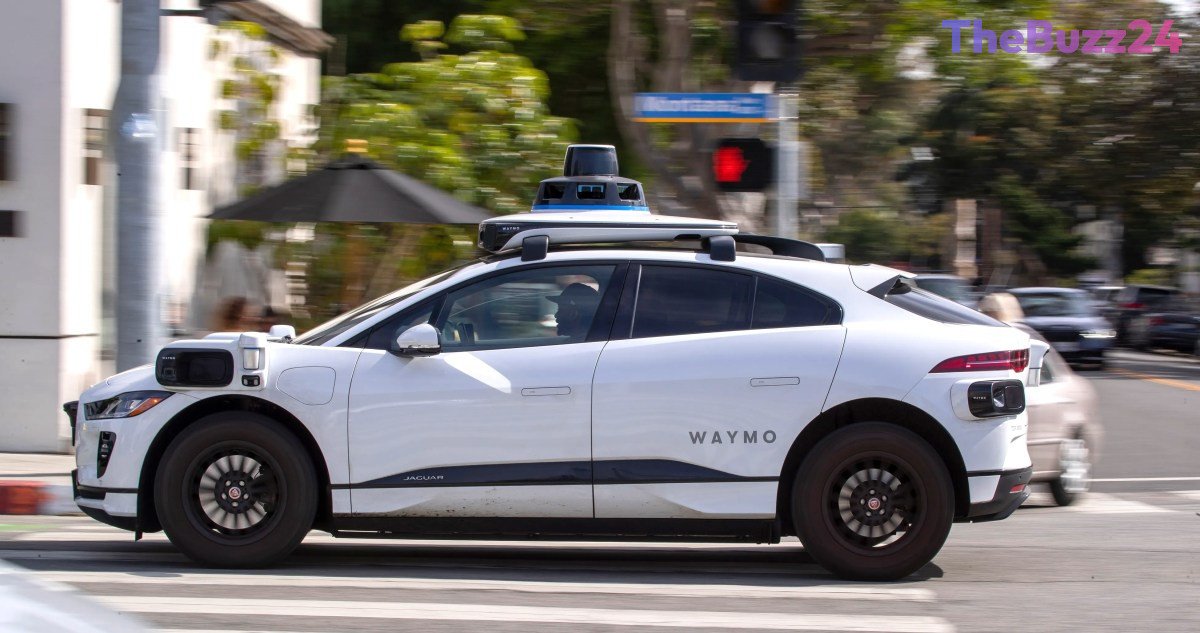
Recent safety data reveals that test drivers employed by prominent autonomous vehicle developers such as Waymo and Zoox sustained over two dozen injuries in recent years. These incidents were frequently caused by hard braking and sudden, aggressive maneuvers executed by the test vehicles, leading to conditions like whiplash and prolonged periods away from work. Industry experts note that while safety regulations require reporting for certain entities, many smaller or differently structured developers may operate without the same level of oversight, obscuring the true extent of workplace injuries across the broader autonomous vehicle industry.
Simultaneously, the financial ecosystem surrounding autonomous systems and alternative transportation is experiencing a massive wave of capital infusion and strategic pivoting. Companies like Gatik have successfully transitioned from research and development labs into commercial operators, securing significant funding rounds to scale their driverless box truck fleets. Similarly, startups focusing on electric seagliders, autonomous drones, and specialized logistics are attracting major investments from institutional funds and venture capital firms, even as they increasingly align with defense sectors to secure long-term revenue streams.
Beyond ground transport, major automotive and aviation players are navigating critical leadership transitions, regulatory scrutiny, and technological debates. Debates over sensor architecture—such as the reliance on multimodal sensors versus camera-only configurations—continue to shape the engineering strategies of industry leaders. As these companies expand their global footprints into international markets while addressing internal executive changes and regulatory inquiries, the path toward a fully automated future remains complex, dynamic, and fraught with both human and financial hurdles.
Key Takeaways
- Test drivers for major autonomous vehicle companies have sustained multiple injuries due to sudden braking and abrupt vehicle movements.
- Autonomous trucking startup Gatik secured significant funding to scale its commercial operations following major multiyear contracts.
- The mobility industry continues to debate technological approaches, contrasting multi-sensor configurations against camera-only autonomous systems.
Editor’s Analysis & Impact
The intersection of autonomous vehicle development, workforce safety, and massive venture capital deployment highlights the complex growing pains of the transportation sector. While companies rush to commercialize self-driving trucks, robotaxis, and alternative transit methods like electric seagliders, they face mounting scrutiny regarding occupational health standards for test operators. Furthermore, the reliance on heavy funding rounds indicates that investor confidence remains high, yet the sector must prove long-term economic viability and regulatory compliance to achieve widespread public acceptance. The ongoing technical debates—such as sensor redundancy versus cost-cutting camera systems—will ultimately dictate which firms achieve market dominance in the coming decade.
Frequently Asked Questions
Q: What kind of injuries have autonomous vehicle test drivers experienced?
A: Test drivers have reported injuries such as whiplash and other physical strains resulting from hard braking and sudden, abrupt movements made by the self-driving vehicles during testing.
Q: How are autonomous vehicle startups funding their expansion?
A: Startups are securing massive injections of capital through significant venture capital funding rounds, strategic commercial agreements with major retail and logistics giants, and occasional expansions into defense-related applications.
Q: What is the main technological debate regarding autonomous vehicle sensors?
A: The industry is divided between companies utilizing comprehensive multimodal sensor suites for enhanced safety and those pursuing a more cost-effective, camera-only approach to automated driving.
AI Disclosure: This article is based on verified data and official reports. Our Team and AI have cross-referenced every financial detail with primary sources to ensure total accuracy.
More from this Category