Elon Musk Clarifies Government Control Over Starshield Operations in Ukraine
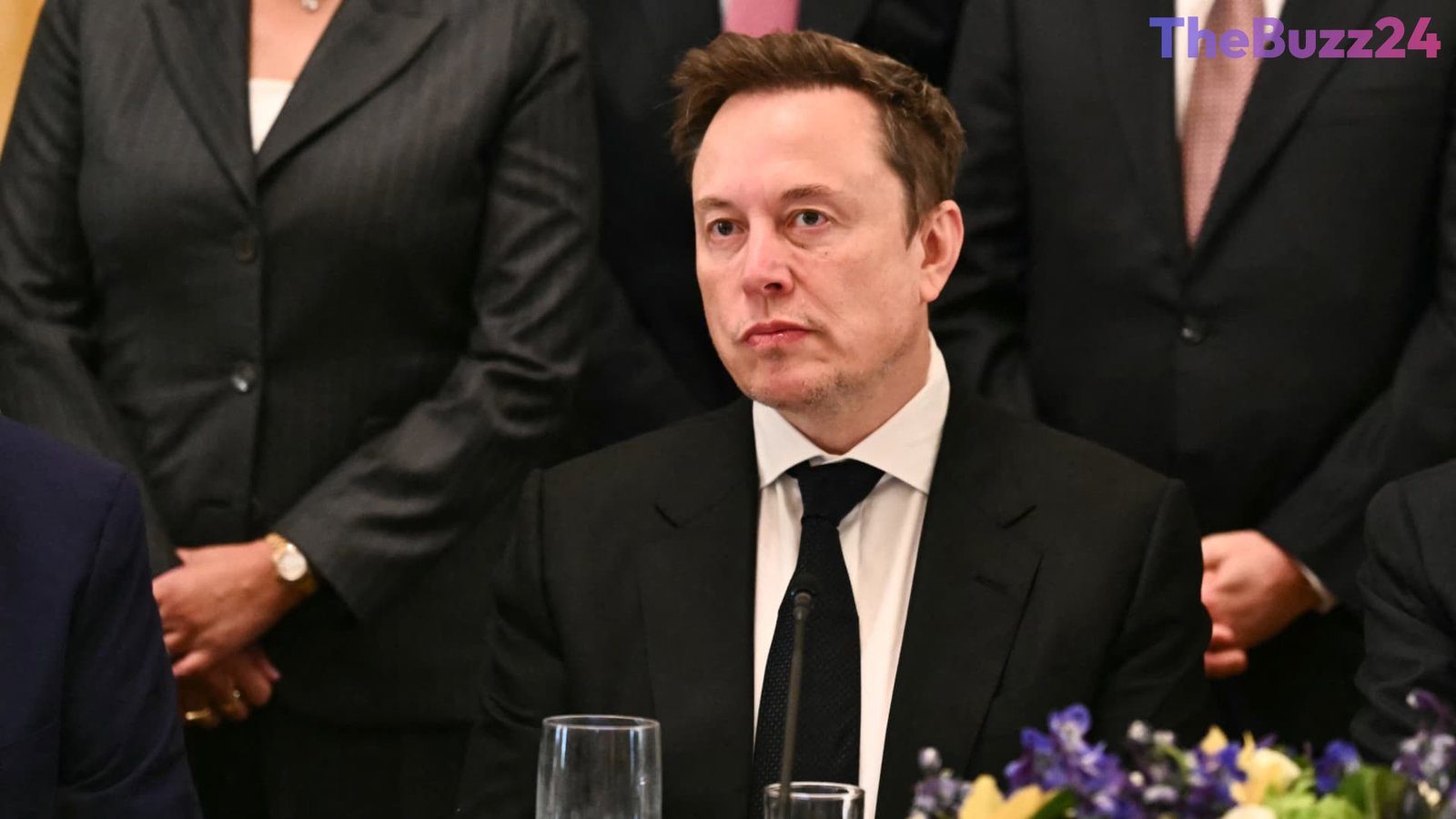
SpaceX CEO Elon Musk has publicly stated that the U.S. government holds ultimate authority over the operational parameters of the Starshield satellite network currently utilized in Ukraine. Musk’s comments follow reports of sudden connectivity restrictions that impacted Ukrainian military operations, specifically affecting the performance of interceptor drones used to counter incoming threats.
According to Musk, the Starshield system is owned and managed by the U.S. government, meaning that any limitations on data speed or usage are dictated by military leadership and the President of the United States. This clarification comes as Ukrainian officials expressed frustration over unannounced speed caps on Starlink terminals in motion, which they argued hindered their defensive capabilities during a period of intense infrastructure strikes.
While the situation caused significant friction, there are indications that some connectivity issues have been addressed. Former Ukrainian defense minister Mykhailo Fedorov acknowledged that Starlink speeds for high-velocity terminals were partially restored, though he emphasized that the complete removal of speed restrictions remains a vital necessity for the nation’s ongoing defense efforts. The tension surrounding these satellite services coincides with broader diplomatic complexities regarding energy ceasefires and international intelligence sharing between Kyiv and Washington.
Key Takeaways
- Elon Musk asserts that the U.S. government, not SpaceX, holds final decision-making power over Starshield's operational limits.
- Ukrainian military operations faced disruptions due to unannounced speed restrictions on Starlink terminals used for drone defense.
- Connectivity for high-speed terminals has seen partial restoration following diplomatic pressure and public acknowledgment from Ukrainian officials.
Editor’s Analysis & Impact
The intersection of private satellite infrastructure and sovereign military conflict presents a complex geopolitical challenge. By framing Starshield as a government-controlled asset, Musk effectively shifts the burden of accountability from SpaceX to the U.S. administration. This highlights the precarious nature of relying on commercial technology for critical defense infrastructure. As the conflict continues, the reliance on Starlink and Starshield will likely remain a point of contention, forcing a delicate balance between corporate liability, government oversight, and the immediate tactical needs of the Ukrainian military. Future developments will likely involve more formal agreements regarding service level guarantees to prevent sudden operational disruptions that could jeopardize national security.
Frequently Asked Questions
Q: What is the difference between Starlink and Starshield?
A: Starlink is primarily designed for civilian and defensive activities, whereas Starshield is a specialized, military-grade satellite network owned and controlled by the U.S. government.
Q: Why were Ukrainian military operations disrupted?
A: Ukrainian officials reported that SpaceX implemented unannounced speed limits on Starlink terminals in motion, which interfered with the operation of interceptor drones used for defense.
AI Disclosure: This article is based on verified data and official reports. Our Team and AI have cross-referenced every financial detail with primary sources to ensure total accuracy.
More from this Category