SpaceX Pivots to Turbine Manufacturing to Solve AI Power Crisis
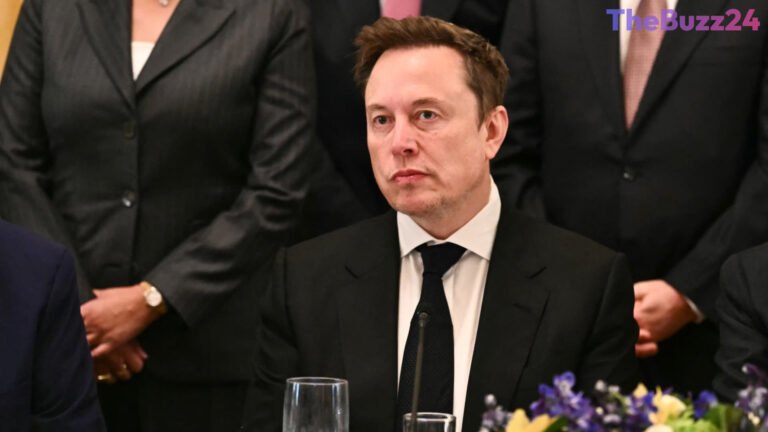
Elon Musk has confirmed that SpaceX is establishing a specialized foundry in Bastrop, Texas, dedicated to manufacturing gas turbine components. This strategic move aims to bypass the current industrial bottleneck in producing turbine blades and vanes, which are essential for generating the massive amounts of electricity required by modern AI data centers. By bringing this complex casting process in-house, Musk claims the company can accelerate the deployment of natural gas power plants by up to 18 months, providing a critical bridge for energy needs as solar production scales up.
The initiative addresses a growing crisis in the tech sector, where the rapid expansion of AI infrastructure has outpaced the capacity of the existing power grid. Major hyperscalers, including Microsoft, Google, and Amazon, are increasingly relying on private, gas-fired power plants to bypass grid delays. However, the global supply chain for turbine parts is currently at capacity, with only a handful of manufacturers worldwide capable of producing the high-precision, single-crystal blades required to withstand extreme operating temperatures. SpaceX’s entry into this manufacturing space could provide a significant competitive advantage, allowing for faster infrastructure development than competitors who remain dependent on the strained external market.
Despite the potential to resolve power shortages, the strategy faces significant environmental and legal pushback. The rapid deployment of gas turbines near data centers has sparked concerns regarding air quality and public health. Critics and environmental groups have pointed to the emission of smog-forming compounds and hazardous pollutants, such as formaldehyde, which are linked to respiratory issues and other health risks. As these facilities proliferate, particularly in areas already burdened by industrial activity, the tension between the urgent demand for AI-driven energy and the environmental impact on local communities is expected to intensify.
Key Takeaways
- SpaceX is building a foundry in Texas to manufacture gas turbine blades, aiming to cut 18 months off the timeline for bringing new power plants online.
- The move is a direct response to a global shortage of turbine components, which has become a primary constraint for AI data center expansion.
- The strategy is drawing criticism from environmental groups concerned about the health impacts of increased gas turbine emissions in residential areas.
Editor’s Analysis & Impact
The decision by SpaceX to vertically integrate the production of gas turbine components represents a bold shift in how tech giants approach infrastructure. By controlling the supply chain for critical power generation hardware, Musk is effectively insulating his AI ventures from the broader energy market’s volatility and supply constraints. This move highlights a broader industry trend where the ‘AI race’ is no longer just about software or chips, but about securing physical energy sovereignty. However, this strategy carries significant reputational and regulatory risks. As data centers become more localized and power-hungry, the environmental footprint of these facilities will likely become a central battleground for ESG-focused investors and local regulators. The long-term success of this approach will depend on whether the company can balance rapid deployment with the increasingly stringent air quality standards and public health scrutiny that accompany fossil-fuel-based power generation.
Frequently Asked Questions
Q: Why is SpaceX manufacturing gas turbine blades?
A: SpaceX is producing these parts to overcome a global manufacturing bottleneck, allowing them to deploy natural gas power plants faster to support the high energy demands of AI data centers.
Q: What are the environmental concerns regarding this strategy?
A: Critics argue that the increased use of gas turbines near data centers leads to higher emissions of hazardous pollutants like formaldehyde, which can negatively impact the air quality and health of nearby communities.
AI Disclosure: This article is based on verified data and official reports. Our Team and AI have cross-referenced every financial detail with primary sources to ensure total accuracy.
More from this Category