Trump Targets NBC Host with FCC Threats as Treasury Restricts Major Outlets from G20
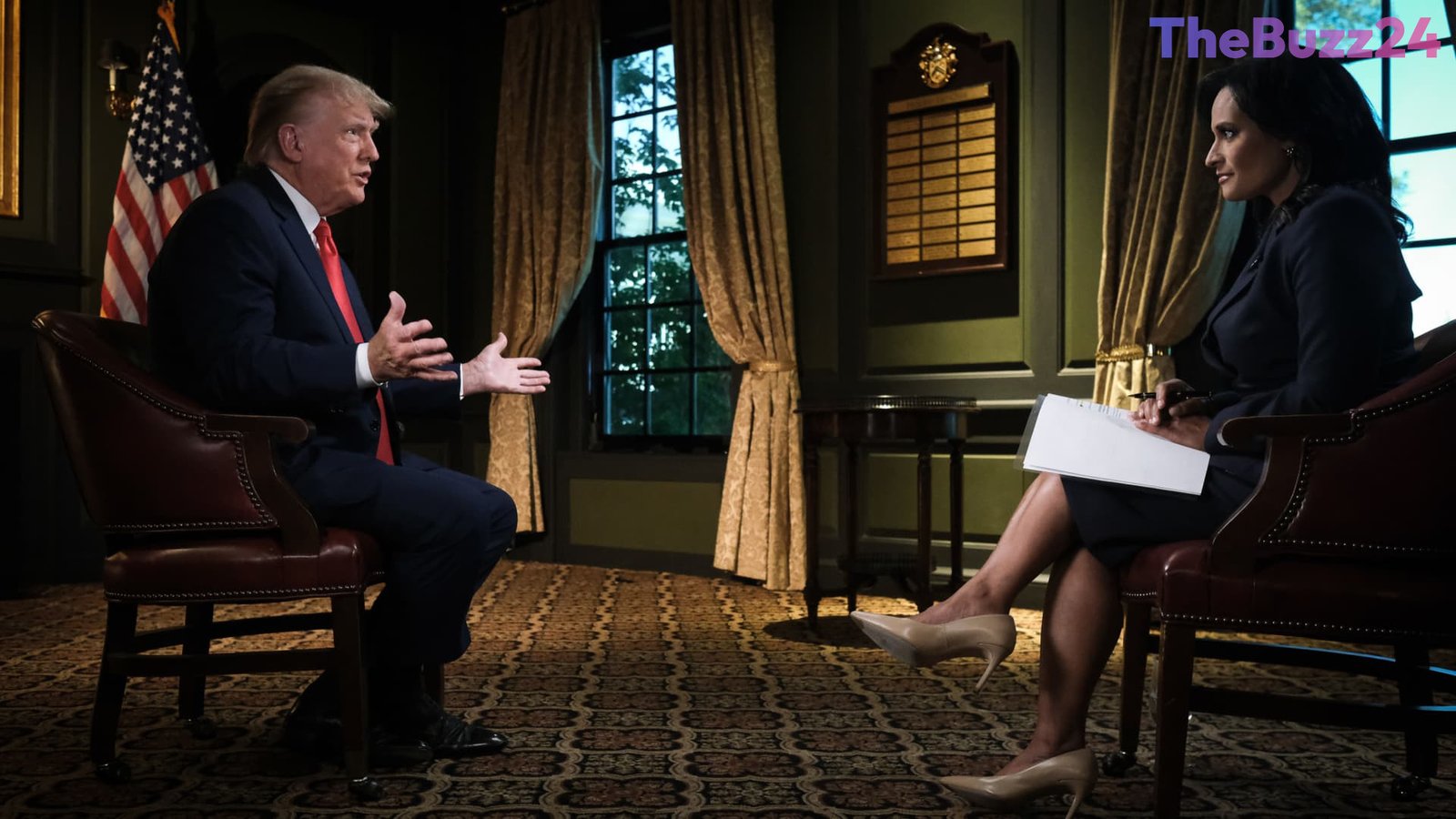
Former President Donald Trump has intensified his ongoing feud with the media, targeting NBC News “Meet the Press” host Kristen Welker and threatening to report her to the Federal Communications Commission (FCC). The dispute arose after Welker noted that Trump-endorsed candidates have seen “mixed results” during the current election cycle. Trump characterized the remarks as deliberately inaccurate and called on FCC Chairman Brendan Carr to penalize the network, arguing that public airwaves should not host such commentary. NBC News has firmly defended Welker, praising her professional integrity.
The friction between the political figure and the press extends beyond social media disputes. In a parallel development, the Treasury Department has denied press credentials to prominent economics journalists from major publications, including The New York Times, The Wall Street Journal, and Bloomberg, preventing them from covering the upcoming G20 meetings in North Carolina. While the Treasury Department defended its decision by stating that nearly 300 media representatives still retain high-level access to the event, the exclusion of these specific outlets has raised concerns about selective media access.
This dual-front pressure on media organizations highlights a growing trend of administrative and political efforts to regulate or restrict press coverage. Trump has also expressed frustration over political polling, suggesting the FCC should intervene to regulate what he terms “fake polls.” Under the leadership of FCC Chairman Brendan Carr, the commission has previously demonstrated a willingness to scrutinize media content for alleged bias, signaling a potential shift toward more active regulatory oversight of broadcasters.
Key Takeaways
- Donald Trump threatened to report NBC's Kristen Welker to the FCC over comments regarding his endorsed candidates' primary performances.
- The Treasury Department barred journalists from The New York Times, The Wall Street Journal, and Bloomberg from attending G20 meetings in North Carolina.
- Trump has urged FCC Chairman Brendan Carr to take action against media bias and address controversial political polling.
Editor’s Analysis & Impact
The escalating tension between political leadership and major press organizations signals a challenging environment for media freedom and regulatory independence. By calling on the FCC to penalize broadcasters for political commentary, there is a growing risk of politicizing regulatory bodies that govern public airwaves. Furthermore, the Treasury Department’s decision to deny G20 credentials to top financial and political reporters from major outlets like Bloomberg and the Wall Street Journal could restrict transparent economic reporting. For the media industry, this environment demands heightened legal vigilance and robust defense of journalistic standards. If regulatory bodies like the FCC begin actively policing perceived bias in political commentary, it could lead to self-censorship among broadcasters, ultimately altering the landscape of political journalism and public discourse.
Frequently Asked Questions
Q: Why did Donald Trump threaten to report Kristen Welker to the FCC?
A: Trump threatened FCC action after Welker commented on a local affiliate segment that candidates endorsed by Trump have experienced 'mixed results' in their primary elections.
Q: Which media outlets were barred from the G20 meetings?
A: Journalists from The New York Times, The Wall Street Journal, and Bloomberg were denied credentials by the Treasury Department for the G20 meetings in North Carolina.
Q: What role does the FCC play in this dispute?
A: Trump has urged FCC Chairman Brendan Carr to investigate and penalize NBC for alleged bias, highlighting a potential push for the regulatory agency to take a more active role in monitoring broadcast content.
AI Disclosure: This article is based on verified data and official reports. Our Team and AI have cross-referenced every financial detail with primary sources to ensure total accuracy.
More from this Category