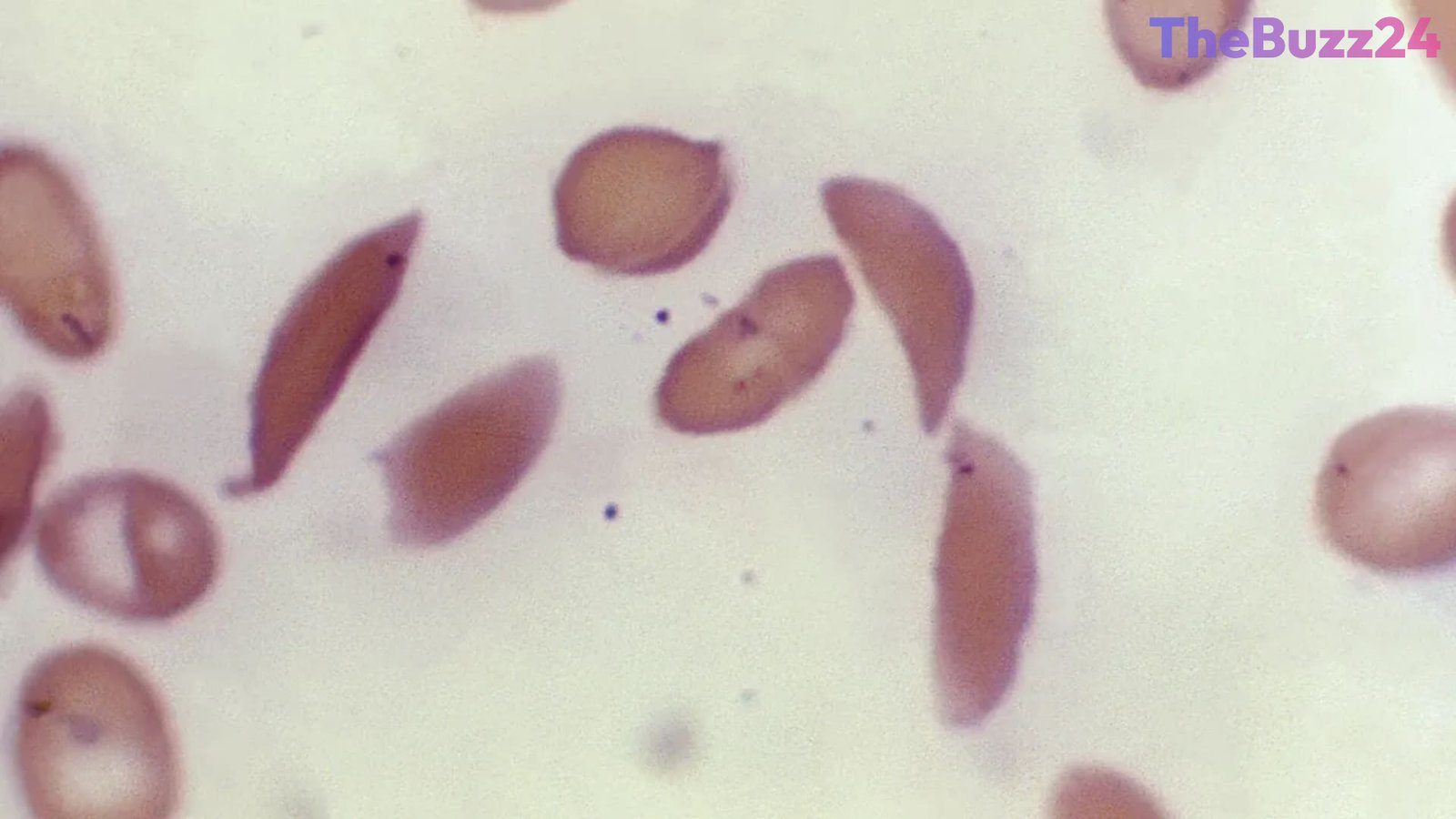
Breakthrough Sickle Cell Gene Therapies Promise Cures but Face High Costs and Access Barriers
The medical landscape for sickle cell disease underwent a landmark shift following the Food and Drug Administration’s approval of Casgevy and Lyfgenia. These ground-breaking gene therapies represent the first curative options for severe forms of the inherited blood disorder, offering hope to eliminate the debilitating pain crises that have defined the condition for generations. By modifying a patient’s own stem cells to produce functional hemoglobin, these treatments allow individuals to serve as their own donors, bypassing the historical challenge of finding matching bone marrow donors.
Despite the remarkable clinical efficacy—with studies showing up to 94 percent of treated patients remaining free of severe pain crises—adoption of the therapies has progressed slowly. The treatment regimen requires a year-long, physically demanding process that includes cell extraction, extensive chemotherapy conditioning, and prolonged hospital stays. Furthermore, the protocol carries significant risks, such as permanent infertility, causing many eligible candidates to weigh the intense physical toll against the potential cure.
Financial and geographic obstacles present additional challenges to widespread adoption. The list price for a single course of treatment spans between $2.2 million and $3.1 million, excluding ancillary medical expenses like hospital stays and specialized supportive care. Because a large majority of sickle cell patients rely on state Medicaid programs, health systems face complex reimbursement mechanics. Compounding these financial barriers is a critical shortage of specialized medical centers, forcing patients in rural regions to travel hundreds of miles to access expert care.
In response to these systemic gaps, federal agencies and medical organizations are attempting to build stronger care infrastructure. The Centers for Medicare and Medicaid Services introduced the Cell and Gene Therapy Access Model to establish outcome-based pricing agreements with manufacturers and states. Simultaneously, national networks like the National Alliance of Sickle Cell Centers are working to standardize care protocols, expand virtual health services, and actively recruit undiagnosed or underserved patients into specialized care programs.
Key Takeaways
- FDA-approved gene therapies Casgevy and Lyfgenia offer transformative potential for severe sickle cell disease, yet patient uptake remains low.
- Prohibitive costs ranging from $2.2 million to $3.1 million and intensive medical procedures, including chemotherapy, create major access barriers.
- Geographic shortages of specialized centers force patients to travel long distances, sparking nationwide initiatives to expand treatment networks.
Editor’s Analysis & Impact
The approval of gene therapies for sickle cell disease marks a pivotal technological triumph, yet it highlights the profound friction between medical innovation and healthcare delivery systems. Commercializing multi-million-dollar personalized therapies places immense pressure on state Medicaid budgets and hospital balance sheets, which must absorb massive upfront expenditures before reimbursement is settled. Over time, the success of these therapies will depend heavily on outcome-based payment arrangements like the CMS access model. Furthermore, scaling these treatments requires systemic investments in specialized healthcare infrastructure to resolve geographic inequities. If stakeholders can streamline delivery protocols and reduce financial risk for providers, gene therapy could set a sustainable precedent for treating other rare genetic disorders globally.
Frequently Asked Questions
Q: How do Casgevy and Lyfgenia work to treat sickle cell disease?
A: Both therapies collect a patient's own blood-forming stem cells, genetically modify them to produce healthy hemoglobin, and then reinfuse them back into the body following a chemotherapy preparation process.
Q: Why is patient adoption of gene therapy currently limited?
A: Patient uptake is constrained by high therapy costs ($2.2 million to $3.1 million), a rigorous one-year treatment process involving chemotherapy and potential fertility risks, and a scarcity of specialized treatment facilities.
Q: What measures are being taken to lower costs and expand patient access?
A: Federal programs like the CMS Cell and Gene Therapy Access Model are negotiating outcome-based pricing with states and manufacturers, while medical organizations are expanding virtual care and building national networks to standardise treatment.
AI Disclosure: This article is based on verified data and official reports. Our Team and AI have cross-referenced every financial detail with primary sources to ensure total accuracy.
More from this Category