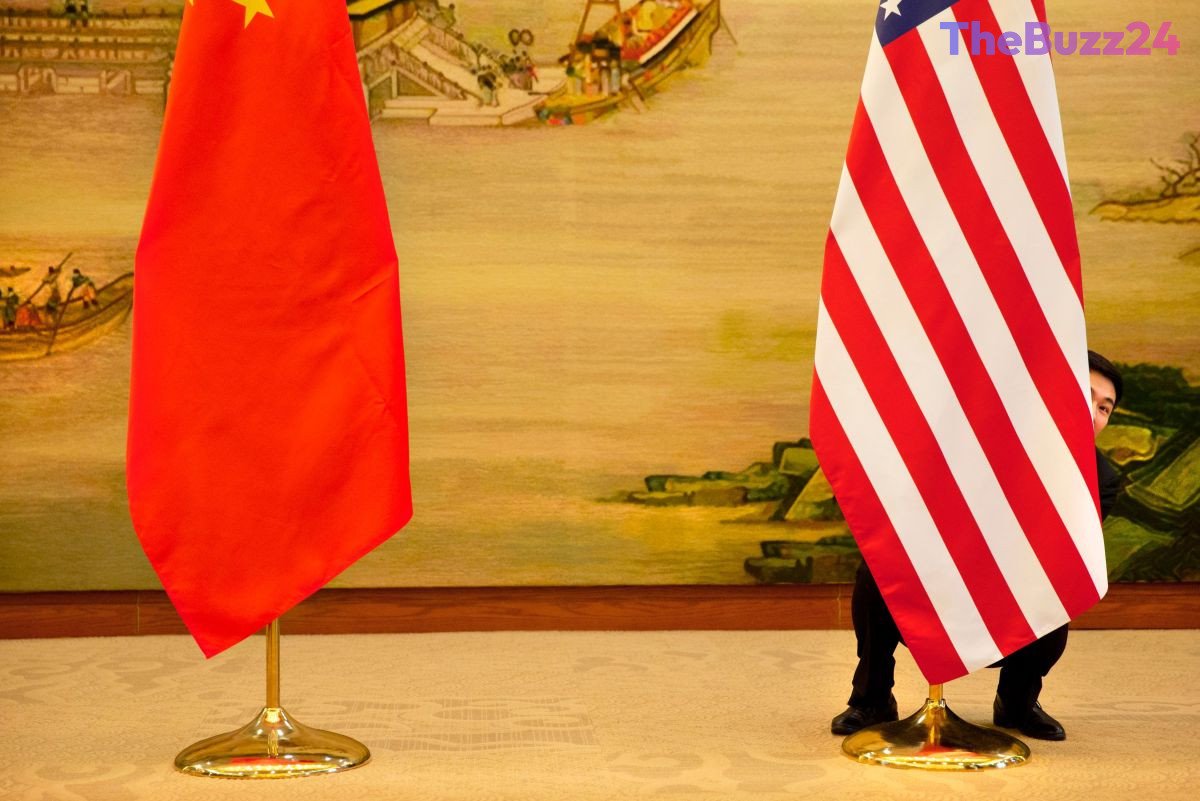
Navigating the Global Robot Divide: U.S. Tariffs Clash with China’s Manufacturing Scale
Recent policy decisions in Washington, including tightened restrictions and steep tariffs on imported drones and advanced robotic systems, highlight growing national security anxieties regarding foreign-made automation technology. Measures such as the expansion of the Federal Communications Commission’s Covered List reflect a concerted effort to limit the footprint of overseas hardware in critical U.S. infrastructure. However, these regulatory barriers arrive at a time when Chinese manufacturers have established an overwhelming advantage in both humanoid robotics and unmanned aerial vehicles, largely driven by unmatched production volumes and aggressive pricing structures.
Industry data shows that Chinese companies command a staggering share of the global humanoid robotics market, fueled by robust domestic supply chains and integration with established automotive and electronics sectors. While U.S. policymakers aim to protect domestic markets and prioritize software and artificial intelligence innovation, analysts point out that trade restrictions alone cannot easily bypass fundamental cost curves. Consequently, the global robotics landscape is steering away from a unified system toward a more fragmented, regional ecosystem. As Chinese firms pivot aggressively toward price-sensitive international markets facing labor shortages—spanning Europe, Latin America, Southeast Asia, and the Middle East—Western manufacturers are increasingly carving out niches in security-sensitive sectors like defense and critical infrastructure.
This bifurcation is further complicated by the positioning of traditional manufacturing powerhouses in Asia, such as Japan, South Korea, and Taiwan. While these allied nations possess deep expertise in automotive, precision engineering, and semiconductor technologies, replacing China’s deeply embedded component ecosystem remains a monumental challenge. Ultimately, rather than fostering a strictly domestic supply chain, the ongoing trade friction is accelerating a shift toward regionalized robotics markets, where affordable mass-produced hardware competes alongside heavily secured, localized alternatives designed to meet specific regulatory and operational demands.
Key Takeaways
- Washington has enacted stringent tariffs and regulatory expansions to curb the influence of foreign-made drones and advanced robotic systems over national security concerns.
- China currently dominates global humanoid robot manufacturing, capturing the vast majority of shipments through unmatched cost advantages and massive production scale.
- Rather than creating a purely domestic supply chain, trade barriers are accelerating a fragmented, regionalized global robotics market divided by cost and security requirements.
Editor’s Analysis & Impact
The collision between U.S. trade protectionism and China’s manufacturing dominance marks a critical turning point for the global robotics and automation industry. While tariffs and regulatory blacklists can successfully shield domestic markets from foreign hardware in sensitive sectors, they fail to address the underlying cost and scaling advantages held by Chinese firms. This dynamic guarantees that the future of robotics will not be dictated by a single dominant standard. Instead, we are witnessing the emergence of a multi-polar marketplace. Chinese makers will likely continue to capture price-sensitive emerging economies and industrial automation sectors globally, while U.S. and allied manufacturers concentrate on high-security, defense, and specialized enterprise applications. For investors and industry stakeholders, navigating this fragmented landscape will require strategic partnerships, localized supply chain resilience, and a deep understanding of regional regulatory frameworks.
Frequently Asked Questions
Q: Why is the U.S. placing restrictions on foreign drones and robots?
A: The U.S. government has implemented tariffs and expanded regulatory lists primarily over national security concerns regarding foreign-made advanced robotic systems and surveillance equipment.
Q: What gives Chinese robotics companies a competitive advantage?
A: Chinese manufacturers benefit from massive manufacturing scale, deep supply-chain integration, lower production costs, and high volume that accelerates technological improvements through real-world data collection.
Q: How is the global robotics market expected to evolve under these restrictions?
A: Experts predict the market will become increasingly fragmented into regional ecosystems, with Chinese companies competing on cost globally, U.S. and allied firms focusing on security-sensitive sectors, and other Asian manufacturing hubs carving out middle-ground niches.
AI Disclosure: This article is based on verified data and official reports. Our Team and AI have cross-referenced every financial detail with primary sources to ensure total accuracy.
More from this Category