Army Secretary Dan Driscoll Resigns Amid Pentagon Leadership Shakeup
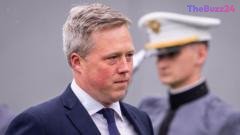
Dan Driscoll, the youngest individual to serve as US Army Secretary, has officially resigned from his post. His departure follows a period of mounting internal friction between himself and Defense Secretary Pete Hegseth. The White House acknowledged his exit, praising his leadership and his commitment to advancing the administration’s military agenda, specifically noting his effectiveness in overseeing recent operations.
Driscoll’s resignation marks a significant addition to a growing list of high-profile military departures within the Pentagon. Since taking office, Defense Secretary Hegseth has overseen the removal of over a dozen senior military officers, including the chief of naval operations and the Air Force’s vice-chief of staff. These shifts have signaled a broader restructuring of the defense establishment under the current administration.
Known widely as a proponent of emerging battlefield technologies, Driscoll earned the moniker of the administration’s “drone guy” for his focus on modernizing military hardware. Beyond his domestic duties, which included the deployment of the National Guard to various US cities, Driscoll played a pivotal role in international diplomacy, notably leading discussions aimed at resolving the conflict in Ukraine and engaging directly with President Volodymyr Zelensky.
A veteran who served in Iraq, Driscoll maintained close ties with Vice-President JD Vance, a friendship dating back to their time at Yale Law School. His departure leaves a vacancy in the top civilian leadership role of the US Army, which oversees active-duty troops, the National Guard, and reserve forces. The administration has yet to announce a permanent successor for the position.
Key Takeaways
- Dan Driscoll has resigned as US Army Secretary following months of reported tension with Defense Secretary Pete Hegseth.
- The departure is part of a wider trend of high-level military leadership changes, with over a dozen senior officers removed by Hegseth recently.
- Driscoll was a key figure in modernizing drone technology and played a significant role in diplomatic efforts regarding the Russia-Ukraine war.
Editor’s Analysis & Impact
The resignation of Dan Driscoll underscores a period of profound volatility within the US Department of Defense. The systematic removal of senior military leadership suggests a deliberate effort by the current administration to consolidate control and align the Pentagon’s civilian and military wings with its specific policy objectives. By replacing established figures with individuals more closely aligned with the administration’s vision—particularly regarding technological modernization and domestic deployment strategies—the Pentagon is undergoing a fundamental shift in its operational philosophy. The departure of a key figure involved in Ukraine diplomacy may also signal a pivot in how the administration intends to handle ongoing foreign conflicts. Investors and geopolitical analysts should monitor these leadership changes closely, as they likely foreshadow significant shifts in defense procurement, international military cooperation, and the internal culture of the US Armed Forces.
Frequently Asked Questions
Q: What is the primary role of the US Army Secretary?
A: The Army Secretary is the top civilian leader of the US Army, responsible for the administration of all matters relating to the Army, including the training, equipping, and deployment of active-duty, National Guard, and reserve soldiers.
Q: Why was Dan Driscoll referred to as the 'drone guy'?
A: Driscoll earned this nickname due to his strong advocacy for and implementation of emerging battlefield technologies, particularly the integration of drone systems into modern military operations.
AI Disclosure: This article is based on verified data and official reports. Our Team and AI have cross-referenced every financial detail with primary sources to ensure total accuracy.
More from this Category