Geopolitical Crossroads: India Navigates Ukraine War Stance and U.S. Sanction Threats on Russian Oil
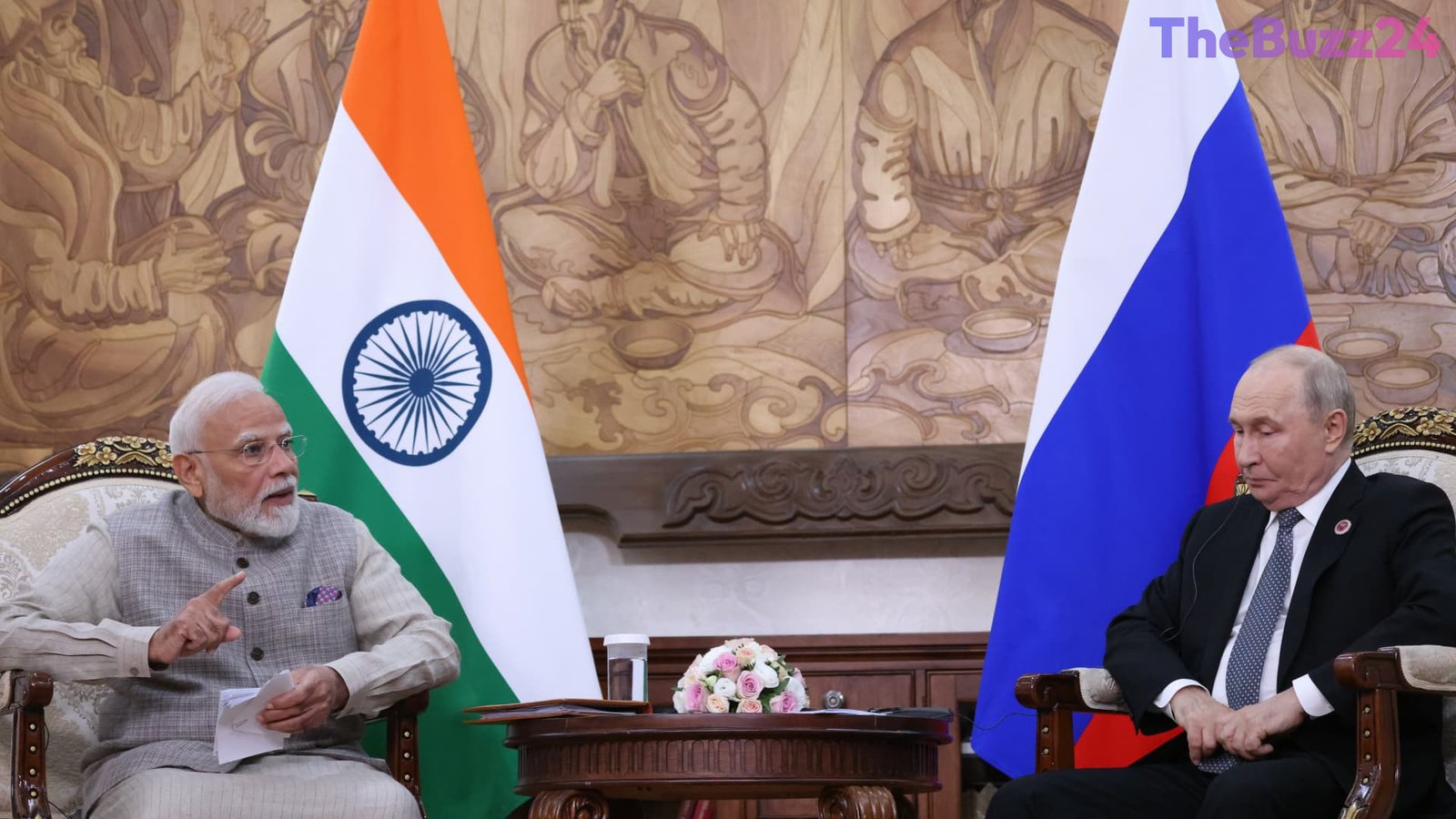
Indian Prime Minister Narendra Modi recently pressed Russian President Vladimir Putin to cease hostilities in Ukraine, advocating for a definitive end to the conflict. During their meeting on the sidelines of the Shanghai Cooperation Organization summit, Modi emphasized India’s commitment to supporting all peace initiatives in the region. He articulated a strong belief that humanity regresses with each passing day the war continues, urging a transition from “endless war to the end of war.”
This appeal for peace comes as the conflict in Eastern Europe shows signs of intensifying. Russia’s Defense Ministry has announced intentions for “massive strikes” against Ukraine’s energy infrastructure, following a recent devastating attack on an ammunition warehouse that claimed 38 lives. These actions heighten concerns about a potential severe winter assault, which officials and national security experts believe could present Kyiv with its most formidable challenge yet.
Concurrently, India finds itself in a complex geopolitical position, balancing its energy needs with international pressures. The nation’s reliance on Russian crude oil has surged dramatically, with Russia becoming India’s primary supplier, accounting for over 50% of its oil imports in June and July, and approximately 43% through late August. This increased trade has seen Russian exports to India climb by nearly 60% year-over-year between April and July, reaching over $34 billion.
This burgeoning energy relationship has drawn scrutiny from the United States. Later this month, the U.S. House is anticipated to consider the Graham bill, a legislative proposal that could impose tariffs of up to 100% on countries identified as top five purchasers of Russian crude oil or gas, including India and China. While the U.S. has previously applied tariffs on India related to its energy trade with Russia, which were later reduced, Washington continues to encourage India to diversify its energy sources, specifically suggesting an increase in Venezuelan crude imports as an alternative to Russian barrels.
Key Takeaways
- Indian Prime Minister Modi urged Russian President Putin to end the Ukraine war, emphasizing a need for peace and cessation of hostilities.
- India's reliance on Russian crude oil has significantly increased, making Russia its largest supplier, which has led to a surge in bilateral trade.
- The U.S. is considering the Graham bill, which could impose substantial tariffs (up to 100%) on major purchasers of Russian oil, including India, adding pressure on its energy trade policies.
Editor’s Analysis & Impact
This development highlights the intricate web of global geopolitics, energy security, and economic pressures. India’s balancing act between maintaining strategic ties with Russia for affordable energy and navigating diplomatic relations with the U.S. is becoming increasingly challenging. The potential U.S. tariffs, if enacted, could significantly impact India’s economy, forcing it to re-evaluate its energy procurement strategies and potentially seek more expensive alternatives. This situation could also strain U.S.-India relations, which are crucial for regional stability. The broader implication is a further fragmentation of global trade routes and a re-alignment of alliances, as nations prioritize national interests amidst ongoing conflicts and sanctions. The future outlook suggests continued volatility in energy markets and intensified diplomatic efforts to influence national energy policies.
Frequently Asked Questions
Q: Why is India increasing its imports of Russian oil?
A: India's reliance on Russian crude has sharply risen due to global energy shortages and the availability of discounted Russian oil, making Russia its largest crude supplier.
Q: What is the "Graham bill" and how could it affect India?
A: The Graham bill is a proposed U.S. legislation that could impose tariffs of up to 100% on countries, including India, that are among the top five purchasers of Russian crude oil or gas. If passed, it could significantly increase the cost of India's Russian oil imports.
Q: What is the U.S. suggesting as an alternative to Russian oil for India?
A: The U.S. has been keen to increase the supply of Venezuelan crude to India, encouraging it to replace Russian barrels with oil from Venezuela.
AI Disclosure: This article is based on verified data and official reports. Our Team and AI have cross-referenced every financial detail with primary sources to ensure total accuracy.
More from this Category