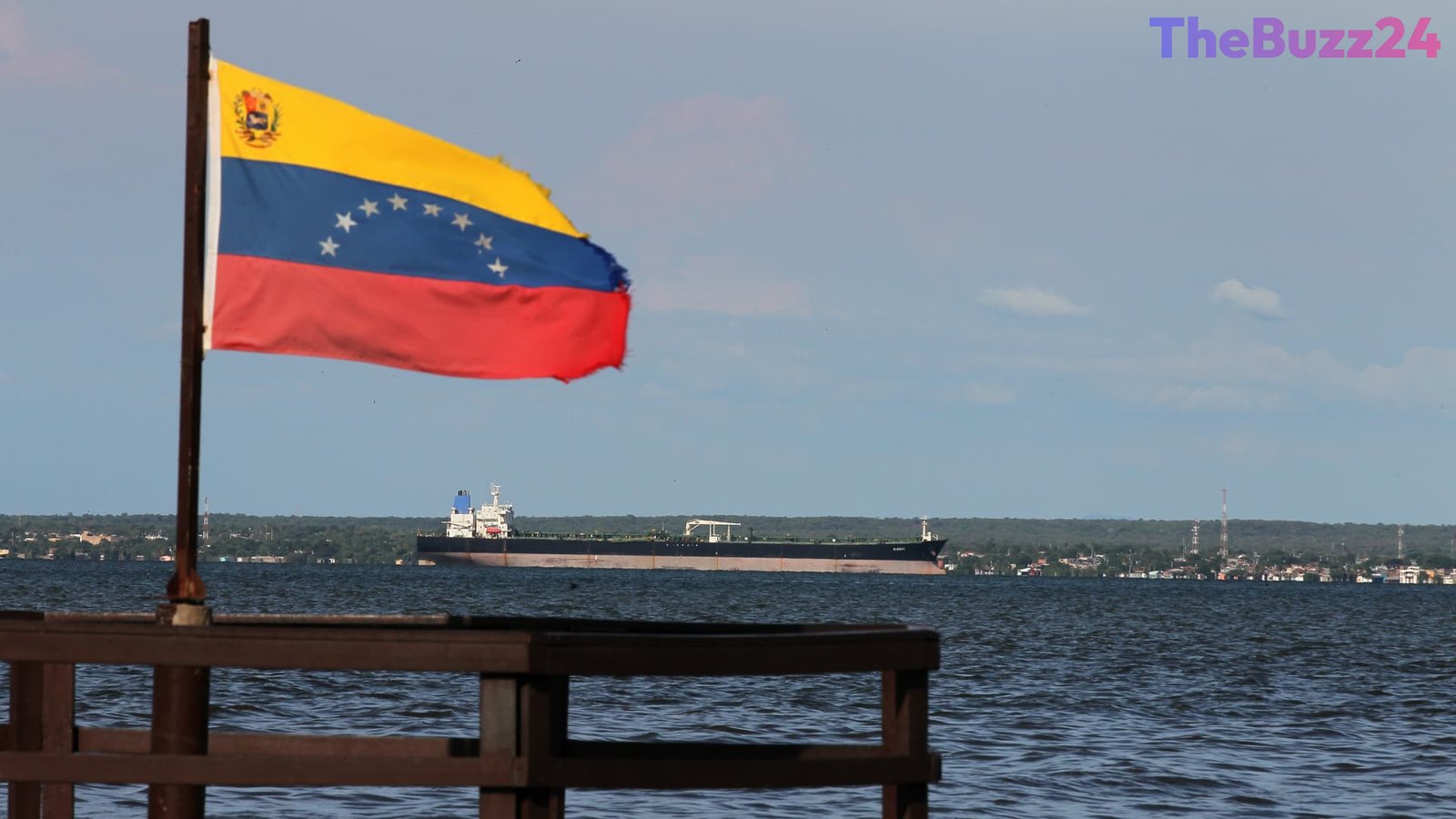
U.S. Secures Massive 100-Year Oil Concession in Venezuela Deal
In a significant shift in energy geopolitics, the Venezuelan government has awarded North American Blue Energy Partners (NABEP) 100-year concessions covering 17 oil fields. These fields hold an estimated 65 billion barrels of proven reserves, a figure that surpasses the current total proven oil reserves held by the United States. The agreement marks a major expansion of U.S. influence over South American energy resources, with the U.S. government securing a 35% equity stake in NABEP’s parent company through the Department of War’s Office of Strategic Capital.
Under the terms of the deal, the United States has secured the right to purchase 20% of all oil produced from these fields at production cost, a move intended to bolster the U.S. Strategic Petroleum Reserve. Furthermore, Washington holds a ‘right of first refusal’ on the remaining 80% of production, effectively positioning the U.S. as the primary beneficiary of the extracted resources. To facilitate this massive undertaking, NABEP has committed to a $100 billion investment in Venezuelan oil infrastructure, while pledging $200 billion in royalties and taxes to the Venezuelan government over the next quarter-century.
Despite the scale of the agreement, industry analysts are tempering expectations regarding immediate relief for American consumers. While the deal represents a long-term strategic victory, the Venezuelan oil sector has suffered from decades of underinvestment, mismanagement, and international sanctions. Experts suggest that significant time and capital will be required to rehabilitate the infrastructure necessary to bring these reserves to market, meaning the impact on domestic gas prices is unlikely to be felt in the near term.
Key Takeaways
- NABEP has been granted 100-year concessions for 17 Venezuelan oil fields containing 65 billion barrels of reserves.
- The U.S. government has secured a 35% equity stake in NABEP and guaranteed access to 20% of production at cost.
- Analysts warn that infrastructure decay in Venezuela will likely delay any immediate impact on global oil supply or domestic gas prices.
Editor’s Analysis & Impact
This agreement represents a paradigm shift in U.S.-Venezuela relations and energy policy. By securing a long-term equity stake and preferential purchasing rights, the U.S. is effectively hedging against future energy volatility. However, the deal faces substantial execution risks. Venezuela’s oil industry is currently operating at a fraction of its capacity, and the $100 billion infrastructure investment required is a massive undertaking in a volatile political climate. From a market perspective, this move signals a pivot toward securing long-term resource sovereignty, though it does little to address short-term inflationary pressures at the pump. The success of this venture will depend heavily on the stability of the local political environment and the efficiency of the planned infrastructure upgrades over the coming decade.
Frequently Asked Questions
Q: How much oil is involved in the NABEP deal?
A: The concessions cover 17 oil fields with approximately 65 billion barrels of proven reserves.
Q: Will this deal lower gas prices for Americans immediately?
A: Most analysts are skeptical of an immediate impact, noting that Venezuela's oil infrastructure requires significant investment and time to restore before production can reach meaningful levels.
Q: What is the U.S. government's role in this agreement?
A: The U.S. government holds a 35% equity stake in NABEP's parent company and has secured the right to purchase 20% of production at cost, along with a right of first refusal on the remainder.
AI Disclosure: This article is based on verified data and official reports. Our Team and AI have cross-referenced every financial detail with primary sources to ensure total accuracy.
More from this Category