Deadly Overnight Strikes Hit Kyiv as Regional Conflict Intensifies
A series of intense missile and drone strikes targeted Kyiv and its surrounding regions overnight, resulting in at least 12 fatalities and leaving 20 others injured. Among the victims were six employees of the state-owned railway company, Ukrzaliznytsia, who were killed when a depot facility was struck. The attacks also claimed the lives of four individuals in the town of Boryspil, where a residential building sustained direct damage.
Ukrainian President Volodymyr Zelensky confirmed that nearly 350 rescue personnel were deployed throughout the night to manage the aftermath of the assault, which involved a significant deployment of ballistic missiles and jet-powered drones. This marks the sixth consecutive day of sustained aerial bombardment on the capital, a campaign that military analysts suggest is designed to deplete Ukrainian air defense resources and erode civilian morale. The strikes extended beyond Kyiv, impacting eight other regions across the country.
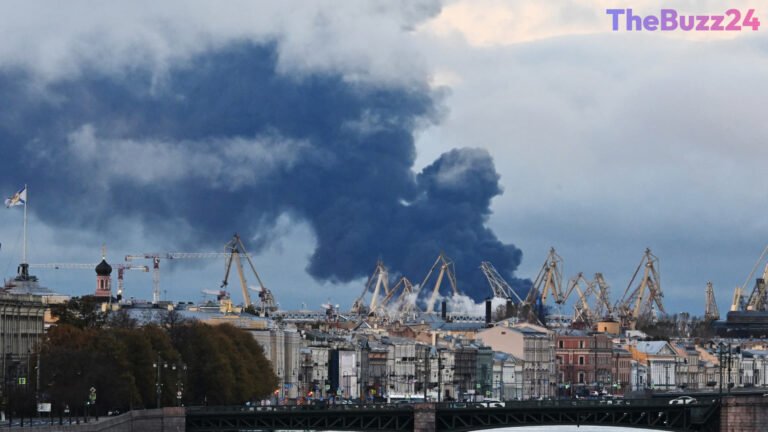
In response to the escalating violence, international diplomatic pressure continues to mount. Indian Prime Minister Narendra Modi recently urged Russian President Vladimir Putin to seek a path toward peace, emphasizing that the ongoing conflict hinders global progress. Meanwhile, the conflict has seen reciprocal actions, with reports of a drone strike causing a fire at a major Russian petroleum port in Ust-Luga, an facility that Ukraine identifies as a key financial pillar for the Russian war effort.
Key Takeaways
- At least 12 people were killed and 20 injured in a coordinated overnight missile and drone attack on Kyiv and surrounding areas.
- The strikes targeted critical infrastructure, including a railway depot and residential zones, marking the sixth straight day of sustained aerial assaults.
- International diplomatic efforts, including calls for peace from Indian leadership, continue alongside ongoing military exchanges between the two nations.
Editor’s Analysis & Impact
The recent escalation in aerial strikes against Kyiv signals a shift in tactical focus, prioritizing the exhaustion of Ukrainian air defense systems and the degradation of critical infrastructure. By targeting energy facilities and logistics hubs like railway depots, the offensive aims to create long-term operational paralysis within Ukraine. The broader implication is a hardening of positions, making diplomatic breakthroughs increasingly difficult despite external pressure from global leaders. As both sides continue to target each other’s economic and military infrastructure—evidenced by the strike on the Ust-Luga port—the conflict is likely to remain in a state of high-intensity attrition. The future outlook suggests continued volatility in energy markets and a prolonged humanitarian crisis, as the strategy of targeting civilian-adjacent infrastructure becomes a normalized component of the ongoing hostilities.
Frequently Asked Questions
Q: What was the primary target of the recent strikes in Kyiv?
A: The strikes targeted a mix of military and energy infrastructure, including a railway depot and residential areas, as part of a broader campaign to exhaust Ukrainian air defenses.
Q: How has the international community responded to the ongoing conflict?
A: International leaders, such as India's Prime Minister Narendra Modi, have publicly urged for an end to the war, emphasizing the negative impact of the conflict on global humanity and stability.
AI Disclosure: This article is based on verified data and official reports. Our Team and AI have cross-referenced every financial detail with primary sources to ensure total accuracy.
More from this Category