Energy Grid Targeted as Russia and Ukraine Exchange Heavy Strikes Amid Peace Talks
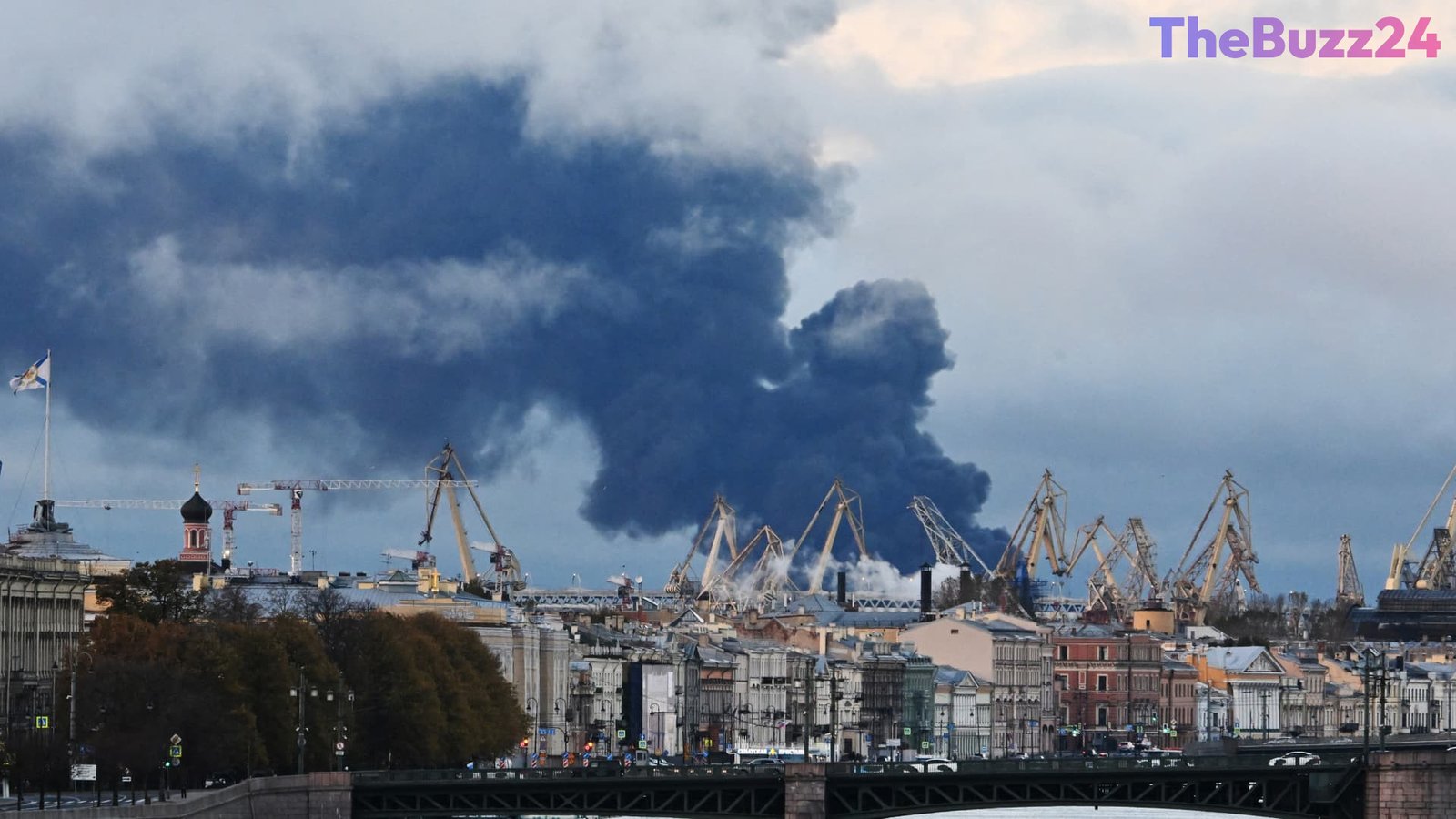
Intense military exchanges between Russia and Ukraine have left more than half a million people without electricity following overnight drone and missile attacks targeting critical energy infrastructure. The widespread blackouts hit multiple regions, prompting immediate emergency response efforts and repair work where security conditions permitted.
Private energy operators confirmed that major generating facilities sustained significant damage during the bombardment, adding to a long history of infrastructure strikes since the conflict escalated. In response to the aerial assault, defense authorities reported intercepting and neutralizing hundreds of unmanned aerial vehicles over various territories.
The renewed hostilities occur in the wake of high-level diplomatic engagements facilitated by American intermediaries in St. Petersburg. Leadership has expressed openness toward continuing structured dialogue aimed at achieving long-term security architecture for the region, moving beyond temporary cessation agreements. However, previous attempts at localized truces, including proposals centered on energy grid protections, have struggled to hold on the ground as both nations maintain active combat operations.
Key Takeaways
- Overnight strikes on Ukrainian energy facilities left more than 500,000 residents without power.
- The attacks occurred shortly after U.S.-brokered peace negotiations took place in St. Petersburg.
- Despite diplomatic engagement, both nations continue to trade heavy drone and missile attacks targeting critical infrastructure.
Editor’s Analysis & Impact
The latest escalation underscores the persistent volatility of the conflict, where diplomatic breakthroughs routinely collide with battlefield realities. The systematic targeting of energy grids remains a primary strategic lever for diminishing operational capacity and civilian morale. While U.S.-led diplomatic efforts and renewed talks signal an underlying willingness to explore a political resolution, the absence of an enforceable, comprehensive ceasefire means that critical infrastructure will remain extremely vulnerable. Moving forward, the success of any upcoming negotiations will heavily depend on whether both parties can establish verifiable security guarantees and localized de-escalation frameworks that survive the friction of ongoing frontline combat.
Frequently Asked Questions
Q: What caused the recent blackouts in Ukraine?
A: Widespread blackouts affecting over 500,000 people were caused by overnight Russian strikes targeting critical energy infrastructure across multiple Ukrainian regions.
Q: Are diplomatic talks still taking place?
A: Yes, despite ongoing fighting, leadership from both sides has signaled readiness to resume U.S.-mediated discussions aimed at securing long-term peace agreements.
Q: How have previous ceasefire proposals fared?
A: Previous localized truces, including initiatives focused on protecting energy infrastructure, have generally failed to yield sustainable results amid continued military engagement.
AI Disclosure: This article is based on verified data and official reports. Our Team and AI have cross-referenced every financial detail with primary sources to ensure total accuracy.
More from this Category