Sky-High Fares and Empty Seats: Why Airlines Are Prioritizing Profits Over Passenger Volume
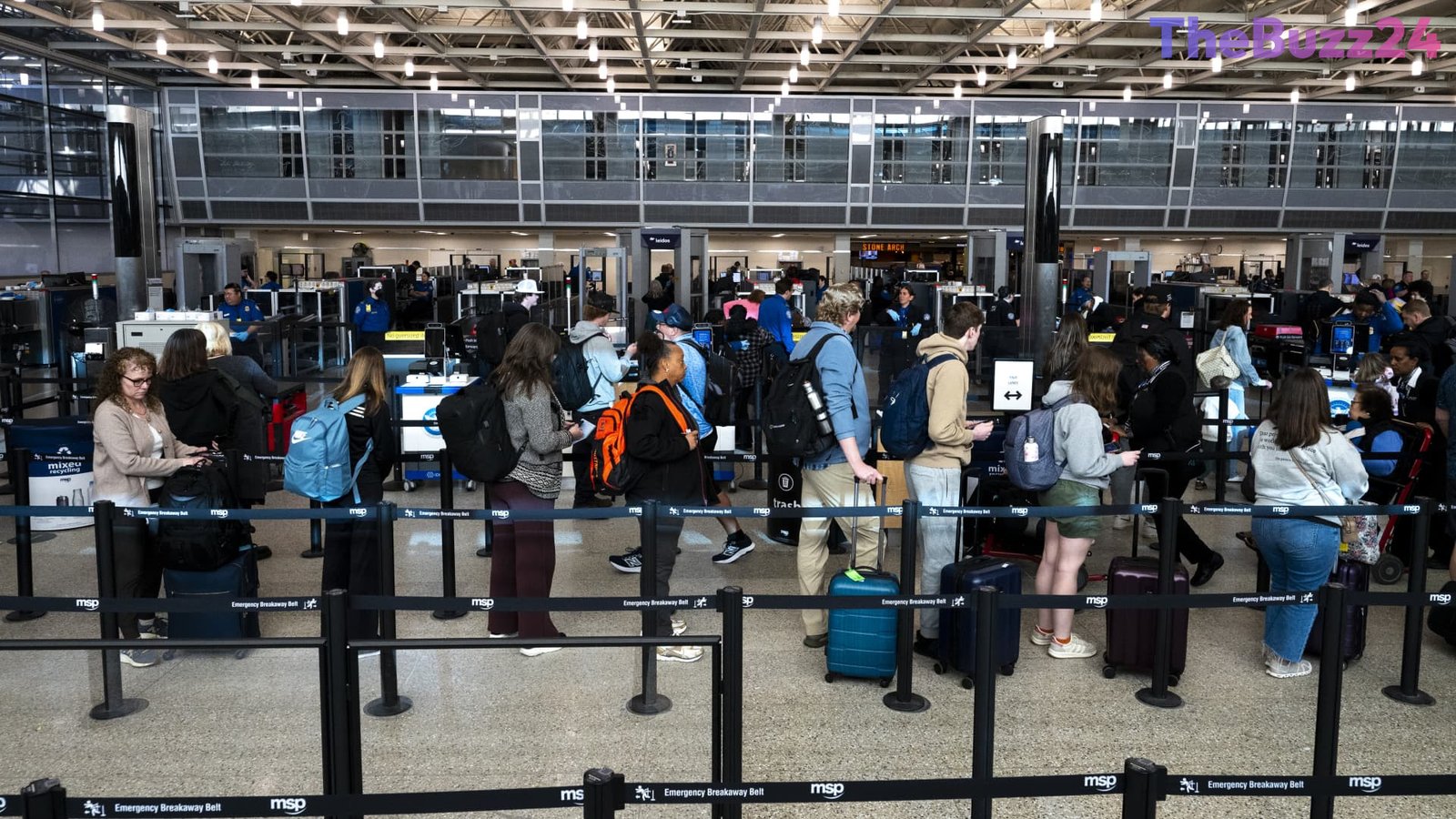
Commercial aviation is undergoing a strategic shift as major carriers prioritize higher ticket yields over passenger volume. Following a significant surge in jet fuel expenses, airlines have elevated fares by more than 20% compared to the previous year. While this pricing strategy has resulted in the first annual decline in airport checkpoint screenings since 2020, industry executives maintain that profitability remains robust, driven largely by intense demand for premium cabins such as first class and business class.
Major carriers like American Airlines, Southwest Airlines, and United Airlines have openly shifted their focus toward profit margins rather than simply filling seats. For instance, American Airlines reported a drop in its load factor to 83.4% as leadership deliberately leaned into yield optimization. Similarly, Southwest noted a 3.2% drop in revenue passengers, yet overall revenue exceeded corporate forecasts due to the elevated ticket prices and additional fees. Executives argue that passing rising operational costs onto consumers is a necessary and successful measure to combat skyrocketing fuel expenditures.
Despite the reduction in overall passenger volume, demand for luxury travel experiences continues to support carrier bottom lines. United Airlines actually expanded its passenger count while posting significant unit revenue growth, highlighting a widening divide between budget-conscious travelers and those willing to pay a premium. As airlines trim capacity growth and navigate fluctuating fuel markets, elevated airfares are expected to persist, signaling a new normal for commercial air travel where exclusivity and higher yields trump sheer mass transit numbers.
Key Takeaways
- Major U.S. carriers are intentionally prioritizing high ticket yields and profit margins over filling every seat on their planes.
- Airfares have surged over 20% year-over-year, driven primarily by soaring jet fuel expenses and increased operational costs.
- Demand for premium cabins remains remarkably strong, helping airlines offset minor declines in overall passenger volume.
Editor’s Analysis & Impact
The current airline industry strategy highlights a fascinating pivot in modern commercial aviation economics. By accepting lower passenger volumes in exchange for higher ticket prices, major carriers are effectively insulating themselves against macroeconomic headwinds like volatile fuel costs. This approach signals a permanent departure from the volume-chasing strategies of the past decade. If legacy carriers successfully maintain these high yields, we can expect the luxury and premium segments to drive the bulk of airline innovation and capital expenditure, while budget-conscious flyers may face sustained high prices and fewer low-cost alternatives, especially following structural changes in the budget carrier market.
Frequently Asked Questions
Q: Why are airfares significantly higher this year?
A: Airfares have surged due to a dramatic spike in jet fuel prices—which represent an airline's biggest expense after labor—prompting carriers to pass those increased costs directly onto consumers to protect their profit margins.
Q: Are fewer people flying overall?
A: Yes, airport checkpoint screenings are on track for their first annual decline since 2020, dropping by a small percentage as higher ticket prices deter some price-sensitive travelers.
Q: How are airlines maintaining profitability despite fewer passengers?
A: Airlines are focusing on yield management and high demand for premium options like first class and business class, which generate significantly higher revenue per passenger than standard coach tickets.
AI Disclosure: This article is based on verified data and official reports. Our Team and AI have cross-referenced every financial detail with primary sources to ensure total accuracy.
More from this Category