Musk Ignites Speculation of SpaceX-Tesla Merger, Unveiling Complex Path Ahead
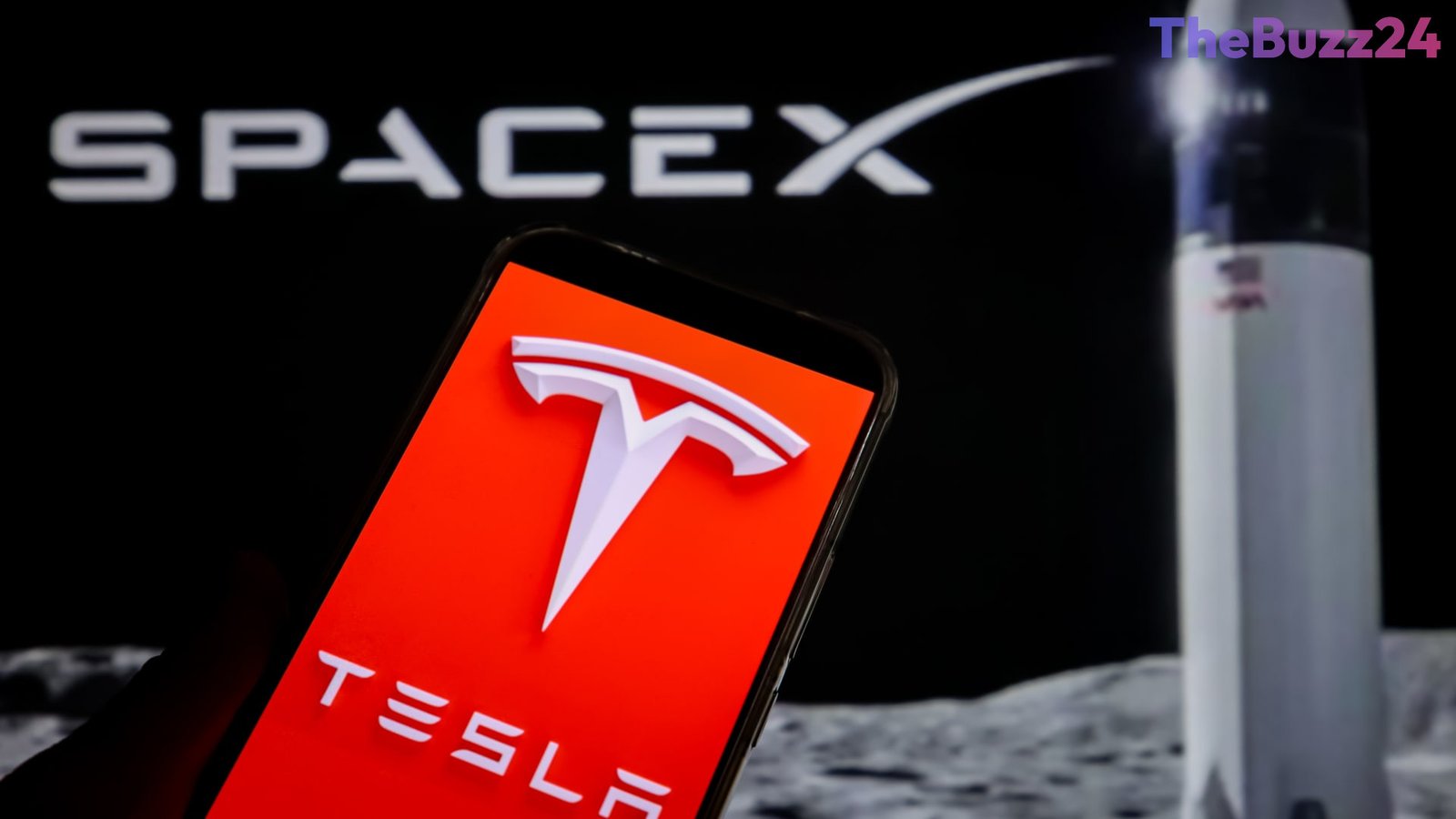
Elon Musk has sparked widespread discussion by publicly endorsing a potential merger between his two prominent ventures, SpaceX and Tesla, describing the idea as “good.” This declaration has set in motion the formation of special committees within both companies to formally explore such a transaction, immediately capturing the attention of investors and analysts.
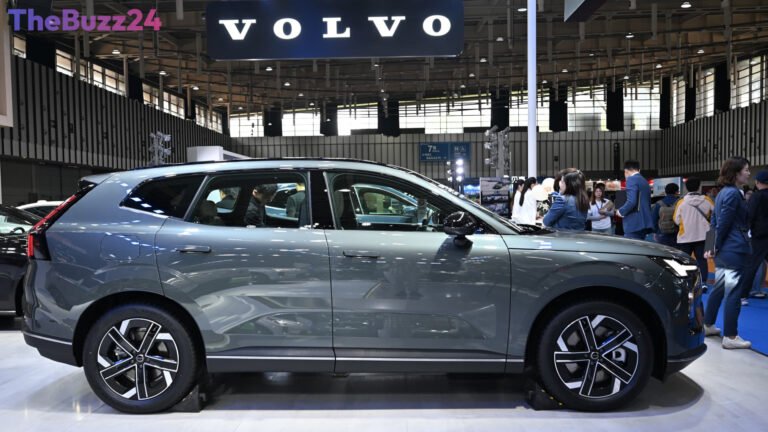
The prospect of combining these industrial titans, often dubbed the “Muskonomy,” envisions a conglomerate that would integrate electric vehicle manufacturing, advanced robotics, reusable rocket technology, satellite communications, and artificial intelligence. This ambitious vision, however, overshadowed Tesla’s recent earnings report, which revealed a decline in automotive revenue and a steeper drop in its energy division. Following Musk’s comments, Tesla shares experienced a 3% dip, contributing to a 17% year-to-date decline, while SpaceX saw a 9% plunge, erasing recent gains.
The path to a merger is fraught with significant challenges, particularly concerning corporate governance and shareholder approval. While Musk wields substantial control at SpaceX, holding nearly 80% voting power through supervoting shares, Tesla presents a different scenario. There, Musk beneficially owns 19.8% of shares, and any merger would necessitate a high hurdle of 50% approval from all Tesla shareholders, not just those who cast a vote. Musk himself acknowledged his position as a “conflicted party,” precluding his direct involvement in the negotiation discussions between the two sides. With SpaceX currently boasting a market capitalization approaching $2 trillion, compared to Tesla’s $1.5 trillion, SpaceX would likely be the acquiring entity in a stock-based transaction, potentially consolidating Musk’s control over the combined enterprise.
Beyond internal approvals, the proposed merger faces formidable regulatory scrutiny. Experts highlight the need for extensive reviews in the U.S. and internationally. China, a critical market for Tesla’s manufacturing and revenue, would likely take a keen interest, especially given the national security implications of Tesla’s vehicle data and SpaceX’s Starlink satellite constellation, which provides data to the U.S. government. Antitrust considerations and cross-border regulatory hurdles are expected to present significant obstacles, with some suggesting the companies might aim to announce a proposal swiftly, potentially before upcoming elections. This potential merger follows a series of recent consolidations by Musk, including SpaceX’s acquisition of xAI and Cursor, and the integration of xAI with X (formerly Twitter), underscoring his strategic drive to unify his diverse technological ventures.
Key Takeaways
- Elon Musk publicly endorsed a potential merger between SpaceX and Tesla, leading to the formation of special committees to explore the deal.
- A merger would face significant hurdles, including securing a 50% shareholder vote at Tesla and navigating complex regulatory reviews in the U.S. and internationally, particularly in China.
- The proposed tie-up aims to consolidate Musk's 'Muskonomy' vision, integrating electric vehicles, robotics, space exploration, and AI, despite overshadowing Tesla's recent earnings report.
Editor’s Analysis & Impact
A SpaceX-Tesla merger, if realized, would send seismic waves across the technology, automotive, and space industries. It represents an unprecedented consolidation of a visionary’s diverse enterprises, potentially creating a conglomerate with unparalleled capabilities in AI, robotics, and space exploration. The market impact could be substantial, offering investors a unified bet on Musk’s long-term ‘Muskonomy’ vision, but also introducing new complexities regarding valuation and governance. The future outlook hinges on overcoming immense regulatory and shareholder hurdles, particularly given the antitrust implications and national security concerns tied to both companies’ operations. Broader implications include setting a new precedent for corporate structure in the age of cross-sector technological convergence, while also intensifying scrutiny on the power and influence of individual founders in shaping global industries.
Frequently Asked Questions
Q: Why is Elon Musk proposing a merger between SpaceX and Tesla?
A: Musk views a merger as a 'good idea' to consolidate his 'Muskonomy' vision, integrating electric vehicles, robotics, space technology, and AI under one umbrella. This could streamline resource allocation, accelerate development in key areas, and potentially resolve concerns about divided loyalties among shareholders regarding where various initiatives are housed.
Q: What are the main obstacles to a SpaceX-Tesla merger?
A: Key obstacles include obtaining a 50% approval vote from all Tesla shareholders, navigating complex regulatory reviews in the U.S. and abroad (especially China), and addressing potential antitrust and national security concerns due to the diverse nature and government contracts of both companies. Musk's 'conflicted party' status also adds a layer of complexity to negotiations.
Q: How would a merger impact the control structure of the combined entity?
A: Given SpaceX's significantly higher market capitalization and Elon Musk's supervoting shares at SpaceX, a merger could potentially position SpaceX as the acquiring company. This scenario could allow Musk to consolidate greater control over the combined entity, which is a different dynamic than his current beneficial ownership at Tesla, where he holds less than 20% of shares.
AI Disclosure: This article is based on verified data and official reports. Our Team and AI have cross-referenced every financial detail with primary sources to ensure total accuracy.
More from this Category