Waymo Scales Autonomous Fleet with Major Expansion into Denver, San Diego, and Tampa
Waymo has officially extended its autonomous ride-hailing footprint, launching commercial robotaxi services in Denver, San Diego, and Tampa. This strategic move brings the Alphabet-owned company’s total operational reach to 14 U.S. cities, signaling an aggressive push to solidify its dominance in the burgeoning self-driving transportation sector. The company is rolling out access to the public in phases, adhering to its established operational playbook of gradual integration.
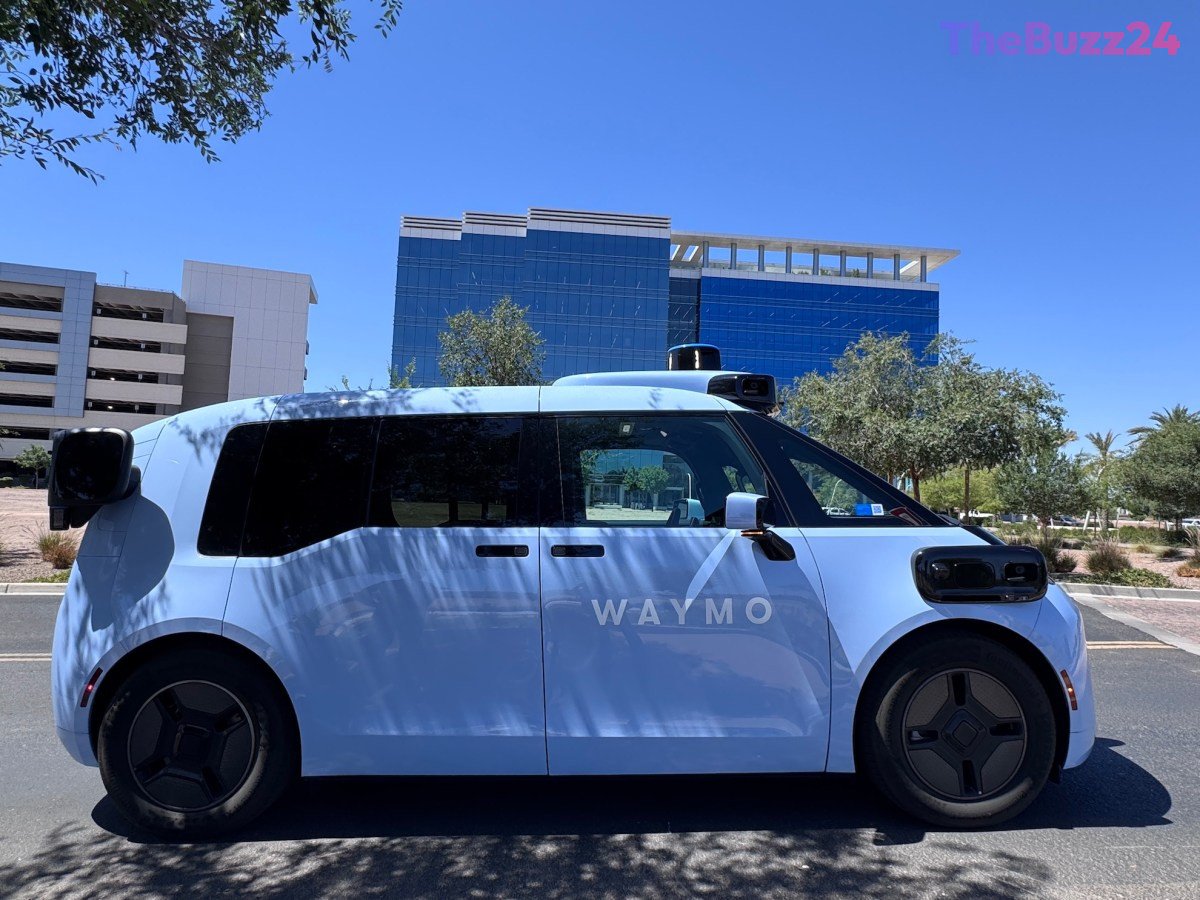
Central to this expansion is the deployment of Waymo’s sixth-generation autonomous system, housed within the new Zeekr-manufactured ‘Ojai’ minivan. In Denver and San Diego, the Ojai will serve as the primary vehicle for riders, marking a shift toward a platform designed for lower production and maintenance costs. While the current Ojai fleet remains modest at approximately 300 units, Waymo expects to scale these numbers rapidly as it balances fleet growth with the pursuit of long-term profitability.
The competitive landscape remains intense, with Tesla actively scaling its own driverless operations across several major markets, including Texas and Florida. Despite this pressure, Waymo continues to maintain a rapid pace of deployment. Following a series of successful launches in cities like Atlanta, Nashville, and Austin, the company is also looking toward international markets, with plans to introduce services in London and Munich. As regulatory environments evolve, Waymo’s ability to navigate local permitting processes remains the primary catalyst for its ongoing geographic growth.
Key Takeaways
- Waymo has expanded its robotaxi service to 14 U.S. cities, with the latest additions being Denver, San Diego, and Tampa.
- The company is prioritizing its new 'Ojai' minivan, which utilizes sixth-generation autonomous technology designed for greater cost-efficiency.
- Waymo faces increasing competition from Tesla, which is also expanding its driverless ride-hailing services in major U.S. metropolitan areas.
Editor’s Analysis & Impact
Waymo’s rapid expansion reflects a critical pivot in the autonomous vehicle industry: the transition from experimental pilot programs to scalable, commercial-grade infrastructure. By standardizing its deployment model—mapping, testing, and regulatory clearance—Waymo is creating a repeatable blueprint that lowers the barrier to entry for new markets. The introduction of the Ojai minivan is particularly significant; it represents a move toward hardware optimization, which is essential for achieving the unit economics required for profitability. As the market matures, the competition between Waymo and Tesla will likely shift from technological capability to operational efficiency and regulatory lobbying. The winner will be determined by who can most effectively navigate local municipal requirements while maintaining the highest safety standards, ultimately setting the stage for a fundamental shift in urban mobility and public transportation.
Frequently Asked Questions
Q: Which vehicles does Waymo currently use for its robotaxi service?
A: Waymo primarily utilizes a fleet of self-driving Jaguar I-Pace hatchbacks and its new, custom-built Zeekr-made minivan, known as the Ojai.
Q: How does Waymo decide when to launch in a new city?
A: Waymo follows a structured process that includes mapping and testing, removing human safety operators, and securing necessary permits from local and state regulatory agencies to legally charge for rides.
AI Disclosure: This article is based on verified data and official reports. Our Team and AI have cross-referenced every financial detail with primary sources to ensure total accuracy.
More from this Category