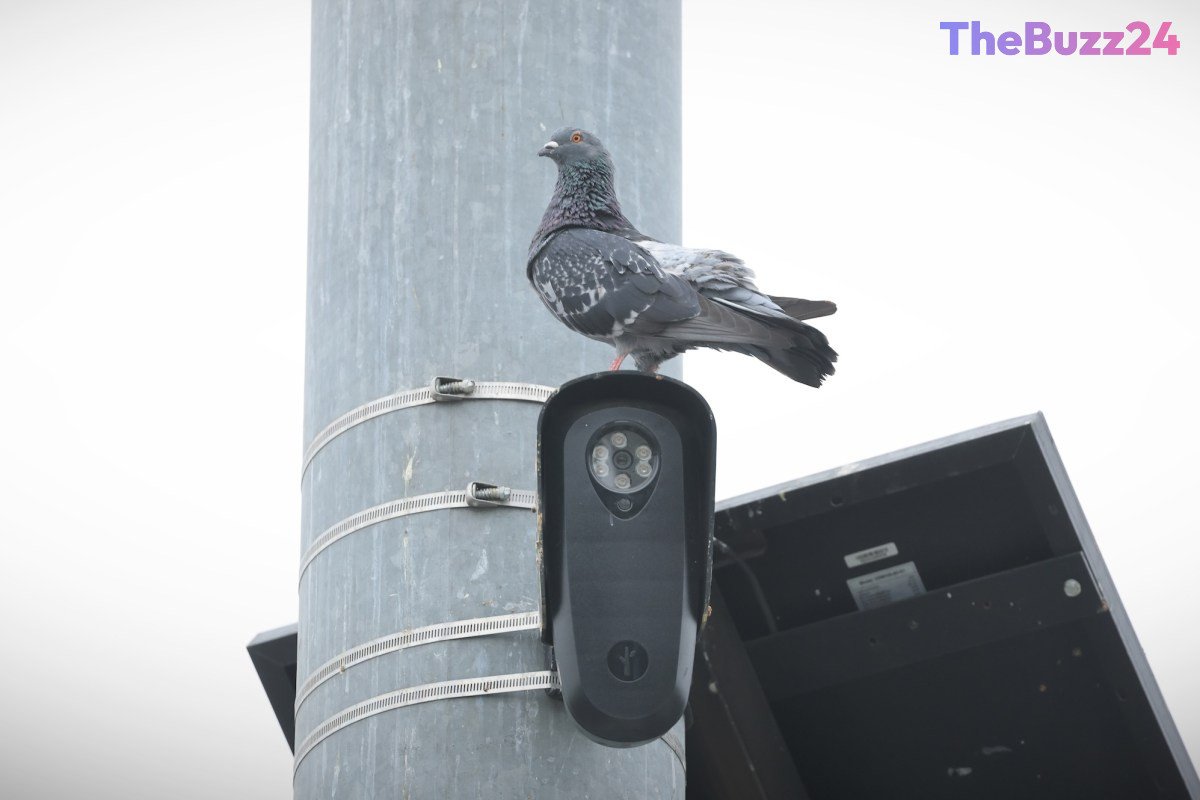
Florida and Texas Halt Flock Camera Contracts Amid Privacy and Misuse Allegations
Two of the United States’ largest states, Florida and Texas, are taking significant steps to sever ties with surveillance technology provider Flock, citing serious concerns over data privacy and the potential for misuse of the company’s license plate reading cameras. The move signals a growing unease among state officials regarding the expansive reach of surveillance technology and its implications for civil liberties.
Florida’s Department of Transportation announced its intention to discontinue the use of Flock’s license plate readers across the state’s highways. This decision, formalized in a recent memo, stems from “concerning reports of misuse, data privacy concerns, and surveillance schemes.” The state has been granted a 30-day period to dismantle the cameras. This action follows strong public statements from Florida Governor Ron DeSantis, who recently characterized the license plate reading technology as “out of control.”
Texas has initiated similar measures, with Governor Greg Abbott’s office directing state agencies to cease funding for Flock cameras. The directive was prompted by documented instances of abuse within the surveillance system. Notably, a Lufkin, Texas police officer was recently indicted on 100 felony charges for allegedly accessing Flock’s database without authorization to track individuals. While the full scope of affected agencies remains unclear, local reports suggest that cities like Dallas, which reportedly utilize hundreds of Flock cameras, could face substantial disruption.
The escalating bipartisan concerns are fueled by a series of revelations, including reports of cybersecurity vulnerabilities, instances of law enforcement officers abusing database access for personal vendettas, and cases of inaccurate data leading to unwarranted stops and wrongful arrests. Further complicating the issue, recent investigations indicate that Flock’s technology is evolving beyond simple license plate scanning to include capabilities for identifying and tracking individuals, intensifying privacy debates.
Key Takeaways
- Florida and Texas are ending contracts with surveillance company Flock due to privacy and misuse concerns.
- The states cite reports of data misuse, unauthorized database access by law enforcement, and potential surveillance schemes.
- The actions reflect growing bipartisan concerns over the privacy implications of widespread license plate reading technology.
Editor’s Analysis & Impact
The decisions by Florida and Texas to halt contracts with Flock represent a significant challenge to the widespread deployment of automated license plate reader (ALPR) technology. These states’ actions underscore a critical juncture where the perceived benefits of surveillance for law enforcement are increasingly weighed against substantial privacy and civil liberties risks. The allegations of misuse and data breaches, coupled with the technology’s expanding capabilities, are likely to embolden similar scrutiny in other states and municipalities. This trend could force ALPR providers like Flock to fundamentally reassess their data handling practices and transparency, potentially leading to stricter regulations or a shift in market demand towards more privacy-conscious solutions.
Frequently Asked Questions
Q: What is Flock and what does its technology do?
A: Flock is a technology company that provides surveillance cameras, primarily automated license plate readers (ALPRs). These cameras capture images of license plates, which are then processed and stored in a searchable database. Law enforcement agencies can use this database to track vehicle movements and identify vehicles of interest.
Q: What are the main concerns raised by Florida and Texas regarding Flock cameras?
A: The primary concerns are data privacy, potential misuse of the technology, and surveillance schemes. Specific issues include reports of law enforcement officers abusing access to the database to track individuals without authorization and concerns about the accuracy of the data leading to wrongful arrests. There are also broader worries about the extent of surveillance enabled by these cameras.
Q: What happens to the Flock cameras in Florida and Texas?
A: Florida has given itself 30 days to remove the cameras from its highways. Texas has ordered state agencies to stop funding Flock cameras, implying a cessation of their use, though the exact removal process for cameras operated by local agencies is less clear.
AI Disclosure: This article is based on verified data and official reports. Our Team and AI have cross-referenced every financial detail with primary sources to ensure total accuracy.
More from this Category