DOJ Files Lawsuit to Block Alaska Senate Certification Amid Voter Confusion Concerns
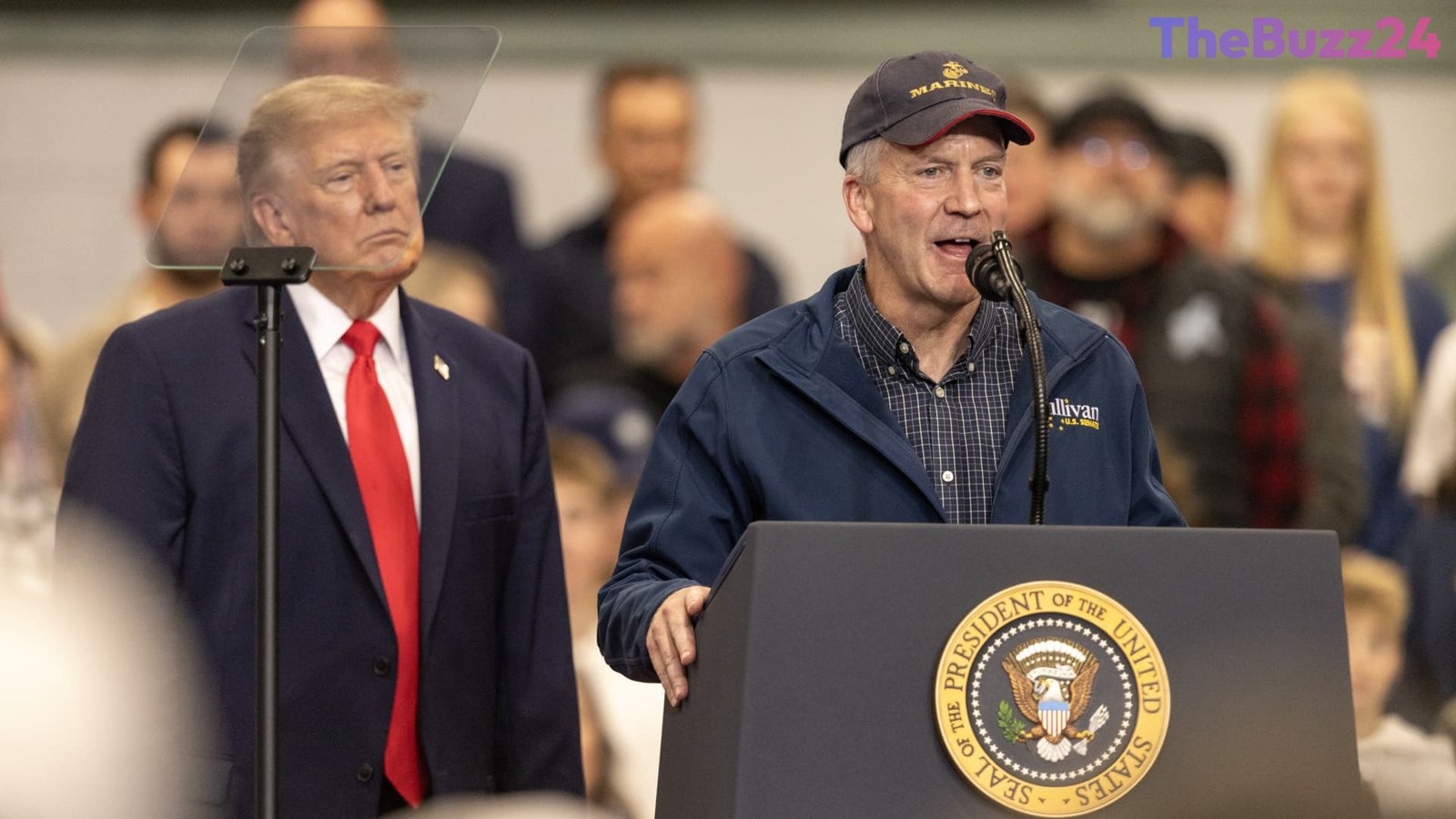
The Department of Justice has initiated a legal challenge in Alaska, seeking to prevent the state from certifying the results of the upcoming U.S. Senate election should incumbent Republican Senator Dan Sullivan lose his seat. The lawsuit, filed in U.S. District Court, argues that the presence of a second candidate named Daniel J. Sullivan on the ballot creates significant voter confusion that could unfairly influence the outcome of a race critical to maintaining the current Senate majority.
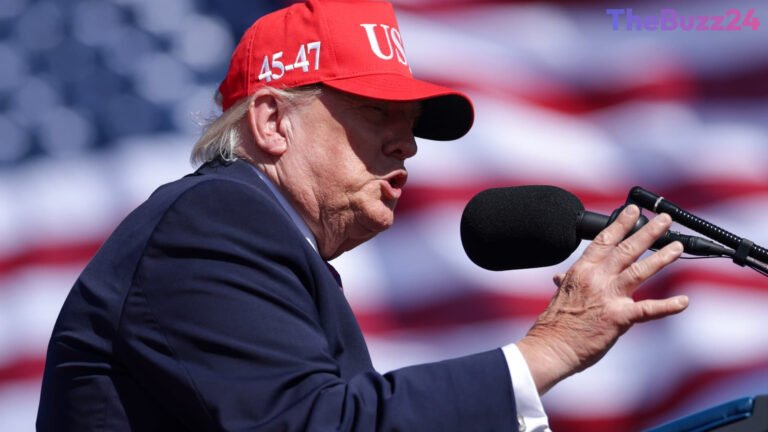
President Donald Trump confirmed his involvement in the legal strategy, stating he directed the action to address what he characterizes as an attempt to manipulate the election. The lawsuit contends that the second candidate, a retired teacher, entered the race with the sole purpose of siphoning votes from the incumbent. The DOJ’s filing requests that the court bar the certification of any election results potentially impacted by this confusion, pending an investigation into voter intent—a move that critics argue would be logistically impossible given the anonymous nature of the ballot.
Alaska’s unique ranked-choice voting system adds a layer of complexity to the dispute. The DOJ alleges that supporters of the incumbent may inadvertently rank the wrong candidate or fail to rank the incumbent at all, potentially leading to votes being transferred to Democratic nominee Mary Peltola. While the Alaska Division of Elections previously attempted to block the second candidate from the ballot, the state Supreme Court ultimately allowed his inclusion. The legal battle now pits federal authorities against state election officials, with both sides accusing the other of political interference in a high-stakes contest.
Key Takeaways
- The Department of Justice is seeking to block the certification of the Alaska Senate race if the incumbent Republican loses, citing voter confusion caused by two candidates sharing the same name.
- President Trump confirmed he directed the DOJ to pursue the lawsuit, labeling the presence of the second candidate as a deliberate attempt to interfere with the election.
- The lawsuit challenges the integrity of Alaska's ranked-choice voting system, arguing that the confusion could inadvertently benefit Democratic nominee Mary Peltola.
Editor’s Analysis & Impact
This legal maneuver represents an extraordinary intersection of federal executive power and state-level election administration. By attempting to intervene in a state certification process, the Department of Justice is testing the boundaries of federal authority over local election integrity. The case highlights the vulnerabilities inherent in ranked-choice voting systems when ballot design or candidate naming conventions are exploited. If the court grants the DOJ’s request, it could set a significant precedent for federal oversight in future state elections, potentially leading to increased litigation regarding ballot access and candidate eligibility. Conversely, a dismissal would reinforce the autonomy of state election boards and the finality of state supreme court rulings, likely cooling future attempts to use federal courts to resolve local ballot disputes.
Frequently Asked Questions
Q: Why is the DOJ suing the state of Alaska regarding the Senate race?
A: The DOJ claims that having two candidates named 'Daniel J. Sullivan' on the ballot causes voter confusion, which they argue could unfairly impact the incumbent Senator's chances of reelection.
Q: How does Alaska's ranked-choice voting system factor into this lawsuit?
A: The lawsuit suggests that voters might be confused by the similar names and either vote for the wrong candidate or fail to rank the incumbent properly, which could lead to their votes being transferred to the Democratic candidate during the ranked-choice tabulation process.
AI Disclosure: This article is based on verified data and official reports. Our Team and AI have cross-referenced every financial detail with primary sources to ensure total accuracy.
More from this Category