Celestial Spectacles: How to Spot Venus, Saturn, and the Harvest Moon This September
September 2026 is set to deliver a spectacular array of celestial events for stargazers and astronomy enthusiasts worldwide. The night sky will feature a series of planetary alignments, brilliant planetary showings, and the annual transition of seasons. From the dazzling glow of Venus to the iconic Harvest Moon sharing the sky with distant gas giants, the upcoming weeks offer a perfect opportunity for both amateur and seasoned observers to look upward.
The celestial showcase begins in mid-September as the Moon serves as a cosmic guidepost. Between September 14 and 20, observers looking south about an hour after sunset can track the Moon as it passes near Antares, the reddish supergiant star at the heart of the Scorpius constellation. Continuing its journey, the Moon will drift toward the “Teapot” asterism in Sagittarius. Under exceptionally dark skies, stargazers may even glimpse the hazy band of the Milky Way rising like steam from the Teapot’s spout, pointing directly toward the center of our galaxy. Shortly after, on September 18, Venus will reach its peak brilliance for this evening cycle, shining as a radiant beacon low on the western horizon immediately after sunset.
The month also marks key global and seasonal milestones. On September 19, the international community celebrates Observe the Moon Night, encouraging global participation in lunar science and cultural appreciation of Earth’s natural satellite. This is followed closely by the autumn equinox on September 22, marking the official start of fall in the Northern Hemisphere and spring in the Southern Hemisphere, a day when daylight and darkness hang in near-perfect balance.
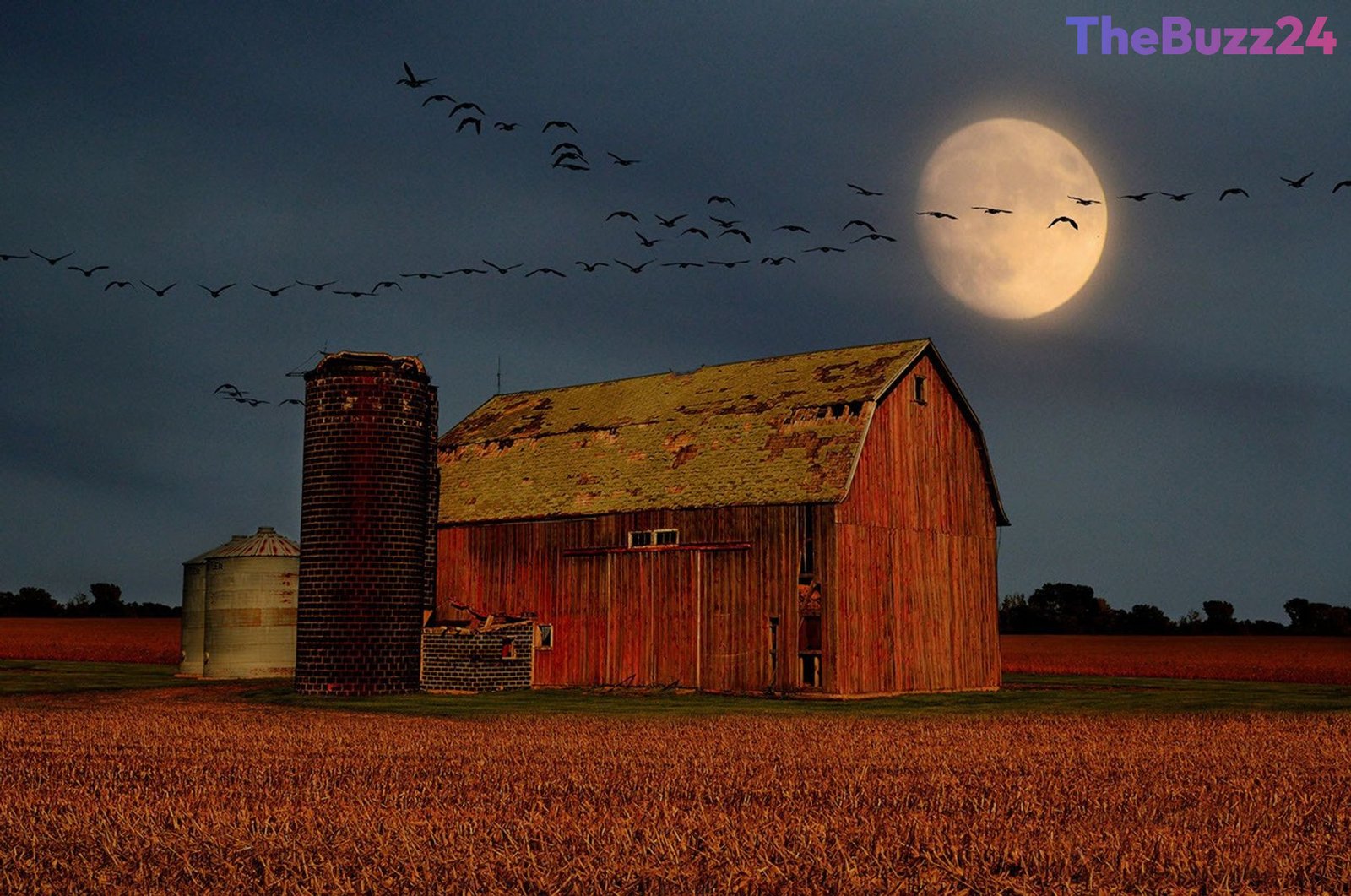
Wrapping up the month’s major events, the famous Harvest Moon will rise in the east on September 26. This full moon will not be alone; it will be flanked by Saturn, easily visible to the naked eye, and the distant ice giant Neptune. While Saturn can be spotted without assistance, viewing Neptune will require binoculars or a telescope, along with dark, clear skies to resolve its faint magnitude 8 glow.
Key Takeaways
- Venus will reach its maximum evening brightness on September 18, dominating the western horizon just after sunset.
- The September equinox on September 22 officially ushers in autumn for the Northern Hemisphere and spring for the Southern Hemisphere.
- On September 26, the Harvest Moon will rise alongside Saturn and Neptune, offering a unique viewing opportunity for telescope users.
Editor’s Analysis & Impact
The upcoming celestial events in September highlight a growing global interest in amateur astronomy and public science engagement. Events like International Observe the Moon Night serve as critical touchpoints for space agencies and educational institutions to foster interest in STEM fields. As commercial spaceflight and lunar exploration initiatives—such as the Artemis program—continue to capture public imagination, the night sky acts as a free, accessible gateway for the public to connect with space science. For the optics and consumer technology industries, these predictable astronomical events drive consistent demand for high-quality binoculars, entry-level telescopes, and astrophotography-capable smartphones. This intersection of natural phenomena and consumer technology underscores a broader cultural shift toward experiential outdoor activities and scientific curiosity.
Frequently Asked Questions
Q: What is the best way to see Neptune during the Harvest Moon event?
A: Because Neptune shines at a faint magnitude 8, it cannot be seen with the naked eye. You will need binoculars or a telescope, along with dark skies away from city light pollution, to spot it near Saturn and the Moon on September 26.
Q: What is the significance of the September equinox?
A: Occurring on September 22, the equinox marks the moment the Sun crosses the celestial equator. This results in nearly equal day and night across the globe, signaling the start of autumn in the Northern Hemisphere and spring in the Southern Hemisphere.
Q: How can I locate the center of the Milky Way in mid-September?
A: Between September 14 and 20, locate the "Teapot" constellation in Sagittarius using the Moon as a guide. Under dark skies, look for the hazy band of the Milky Way rising from the spout of the Teapot, which points toward the galactic center.
AI Disclosure: This article is based on verified data and official reports. Our Team and AI have cross-referenced every financial detail with primary sources to ensure total accuracy.
More from this Category