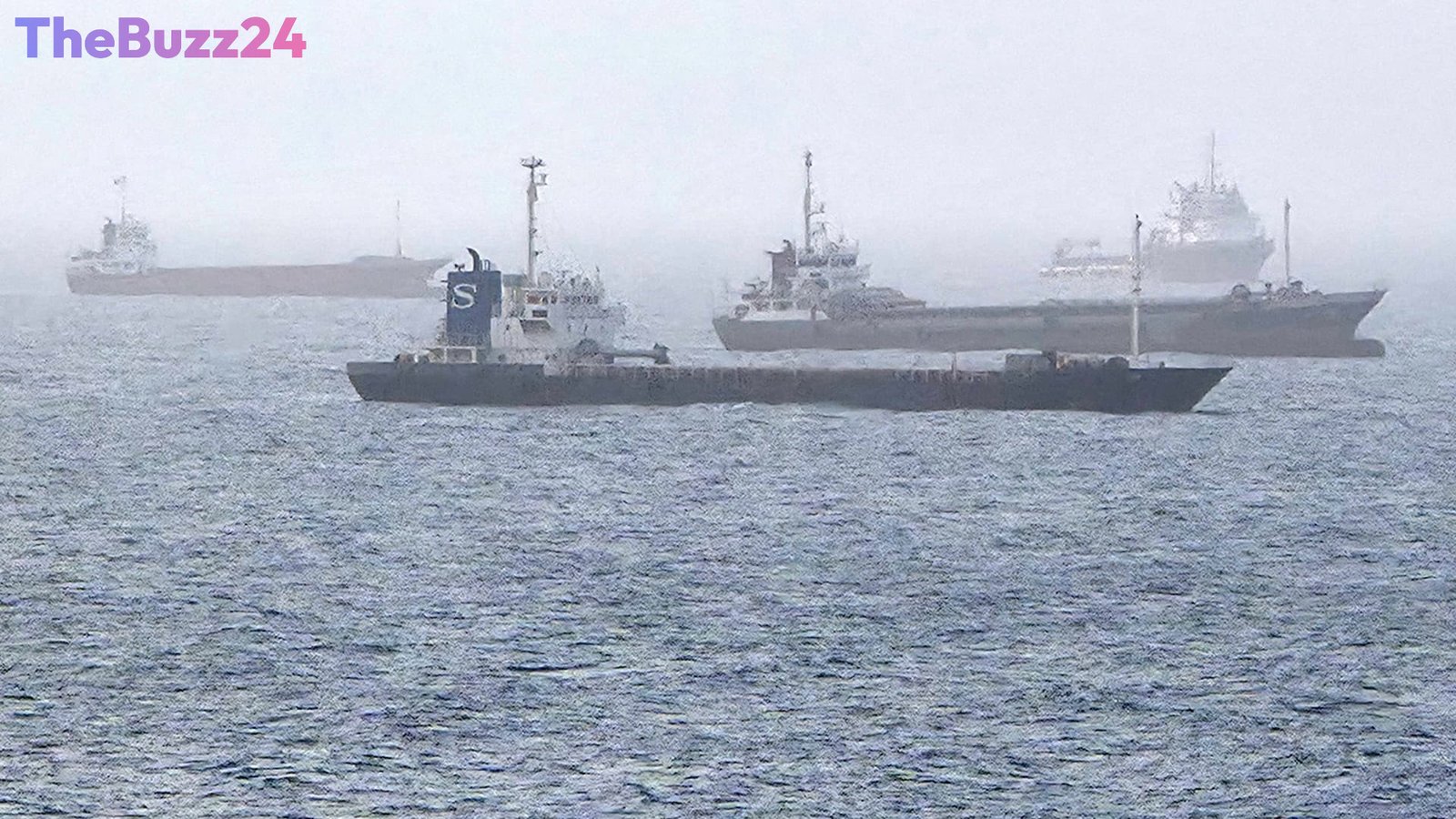
Hormuz Oil Transit Hits Record High Amid Geopolitical Tensions
U.S. Energy Secretary Chris Wright announced that oil shipments through the critical Strait of Hormuz reached an unprecedented level of over 17 million barrels on Monday. This figure represents a new record since the commencement of the Iran war in late February, underscoring a significant increase in regional energy transit.
Secretary Wright highlighted that when factoring in pipelines from Saudi Arabia and the United Arab Emirates that circumvent the Strait, Monday’s total oil exports from the region surpassed even pre-war levels. Prior to the conflict’s outbreak on February 28, approximately 20 million barrels of crude and refined products typically passed through Hormuz daily.
Wright further asserted that Iran’s capacity to disrupt global economic activity by threatening maritime traffic in the Strait is diminishing. He indicated that the U.S. military’s efforts to secure a shipping corridor are enabling oil tankers to navigate the waterway more safely, thereby eroding Tehran’s leverage. “Iran is losing its ability to hold the world economic hostage,” Wright stated, adding that while disruptions persist, their impact is waning.
The U.S. government’s data on these transits, which Wright claims are more accurate than those from independent tracking firms due to the military’s visibility of covert movements, indicates a robust flow of oil. This comes as U.S. crude oil futures experienced a slight dip, hovering around $90 per barrel, amidst ongoing military exchanges between Washington and Tehran. A U.S.-established shipping corridor along Oman’s coast, often utilized by tankers at night with transponders deactivated, is facilitating this increased traffic, ensuring the continued flow of oil and gas from the Arabian Gulf region.
Key Takeaways
- Oil transit through the Strait of Hormuz reached a record high of over 17 million barrels on Monday.
- Regional oil exports, including pipeline bypasses, now exceed pre-war levels.
- The U.S. asserts Iran's ability to disrupt global oil traffic is diminishing due to enhanced security measures.
Editor’s Analysis & Impact
This surge in oil transit through the Strait of Hormuz, despite ongoing geopolitical tensions, signals a resilience in global energy supply chains. The U.S. government’s assertion of Iran’s waning disruptive capabilities, coupled with the establishment of secure shipping corridors, suggests a strategic success in maintaining energy flow. However, the continued military exchanges and attacks on tankers highlight the persistent risks. The market’s reaction, with oil prices showing volatility, indicates that while supply routes are adapting, geopolitical instability remains a significant factor influencing energy prices and global economic stability. The long-term implications hinge on the sustained effectiveness of these security measures and the de-escalation of regional conflicts.
Frequently Asked Questions
Q: What is the Strait of Hormuz?
A: The Strait of Hormuz is a vital chokepoint for global oil transportation, connecting the Persian Gulf to the open ocean. A significant portion of the world's oil supply transits through this narrow waterway.
Q: Why is the Strait of Hormuz strategically important?
A: Its strategic importance lies in its role as a primary transit route for oil produced in the Persian Gulf region, including major producers like Saudi Arabia, Iran, the UAE, and Kuwait. Any disruption here can significantly impact global oil prices and supply.
Q: What is the significance of the record oil transit figures?
A: The record transit figures suggest that despite geopolitical tensions and threats of disruption, oil continues to flow through the Strait at high volumes. This indicates successful efforts to maintain shipping security and potentially a reduced ability by certain actors to impede this flow.
AI Disclosure: This article is based on verified data and official reports. Our Team and AI have cross-referenced every financial detail with primary sources to ensure total accuracy.
More from this Category