Trump Suggests Renaming Strait of Hormuz in Latest Geopolitical Branding Move
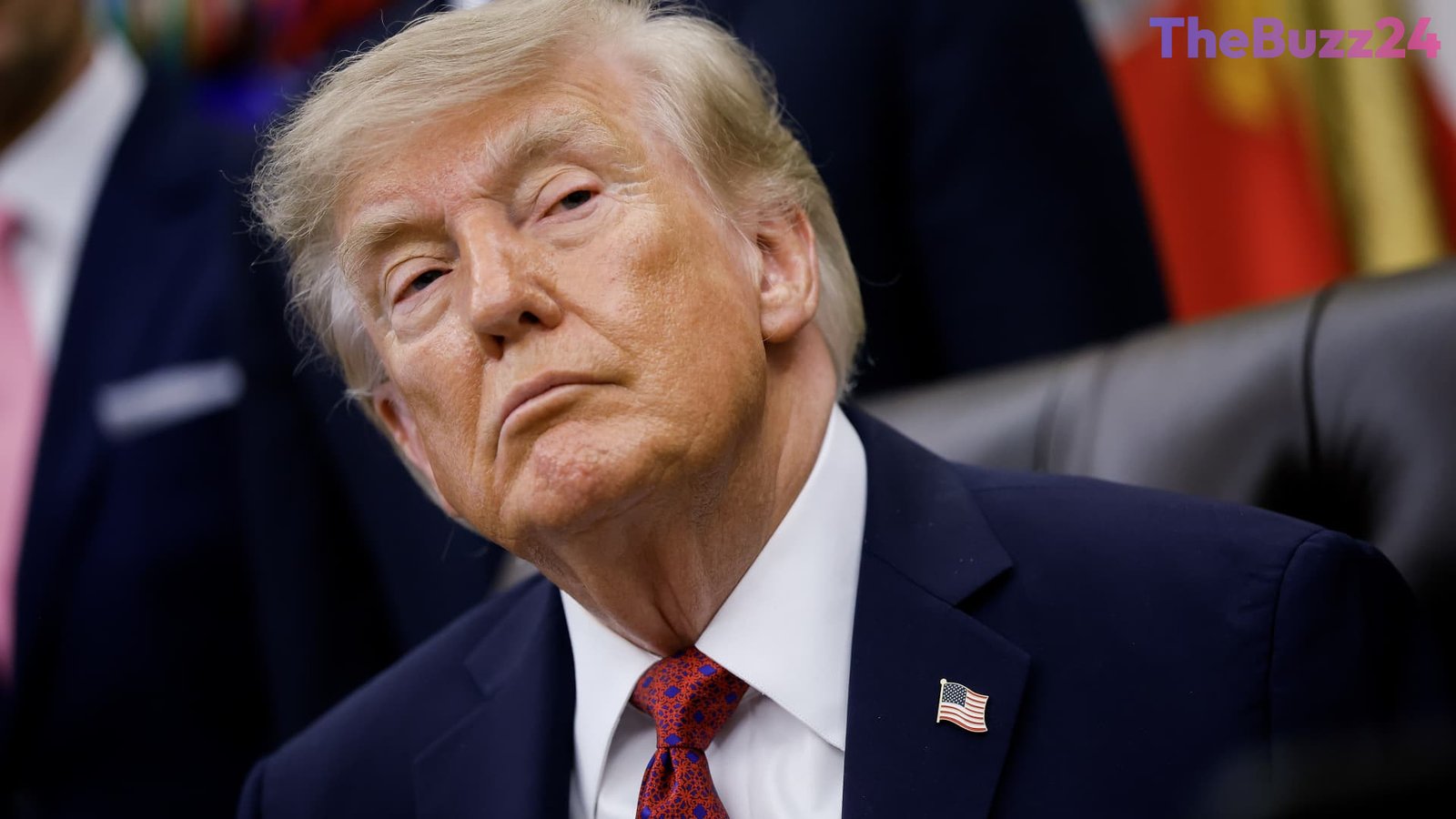
President Donald Trump has publicly floated the idea of renaming the Strait of Hormuz to the ‘Trump Strait,’ a proposal that follows a series of similar initiatives aimed at rebranding international and domestic geographical landmarks. The suggestion, shared via social media, comes amid ongoing regional tensions and follows recent executive actions taken by the administration to rename Lake Ontario as ‘Lake America’ and the Gulf of Mexico as the ‘Gulf of America.’
While the administration has framed these naming conventions as a reflection of increased U.S. influence in these regions, the proposals have faced significant pushback from international counterparts. Canada, for instance, has officially rejected the renaming of Lake Ontario, despite some technology companies updating their digital mapping services to reflect the administration’s preferred terminology. When pressed on the seriousness of the Strait of Hormuz proposal during a White House briefing, the President characterized the comment as a casual suggestion rather than a formal policy directive.
Beyond the symbolic naming efforts, the administration continues to emphasize its control over the vital waterway, which serves as a critical artery for global oil transit. While the White House claims that total regional oil exports have reached record levels when accounting for alternative pipeline routes, independent data indicates that maritime traffic through the strait remains significantly lower than pre-conflict levels. As military activity in the region persists, the administration maintains that its strategic oversight of the area is successfully stabilizing energy flows despite the ongoing geopolitical volatility.
Key Takeaways
- President Trump suggested renaming the Strait of Hormuz to 'Trump Strait,' though later clarified the remark was not a formal policy proposal.
- The administration has previously attempted to rename other landmarks, including Lake Ontario and the Gulf of Mexico, drawing international criticism.
- While the White House claims record oil export levels via alternative pipelines, maritime traffic through the Strait of Hormuz remains below pre-war levels.
Editor’s Analysis & Impact
The President’s recent pattern of attempting to rename geographical features serves as a unique intersection of branding and geopolitical signaling. By asserting control over international waterways and landmarks, the administration is attempting to project a narrative of dominance and ‘America First’ influence, even when such changes lack international legal standing or recognition. From a market perspective, the focus on the Strait of Hormuz highlights the continued sensitivity of global energy markets to the ongoing conflict. While the administration points to pipeline bypasses to bolster its economic narrative, the volatility in maritime transit remains a primary concern for global energy security. Future implications suggest that while these naming efforts may remain largely symbolic, they underscore a broader shift toward unilateralism in foreign policy that could complicate diplomatic relations and international maritime cooperation moving forward.
Frequently Asked Questions
Q: Is the renaming of the Strait of Hormuz an official government policy?
A: No. When asked about the proposal, President Trump clarified that the suggestion was not a serious policy intent.
Q: How have other countries responded to the administration's renaming initiatives?
A: International reactions have been largely negative, with countries like Canada officially rejecting the renaming of shared geographical features like Lake Ontario.
AI Disclosure: This article is based on verified data and official reports. Our Team and AI have cross-referenced every financial detail with primary sources to ensure total accuracy.
More from this Category