US Trade Envoy Meets House Republicans Amidst Escalating Trade Tensions with Canada
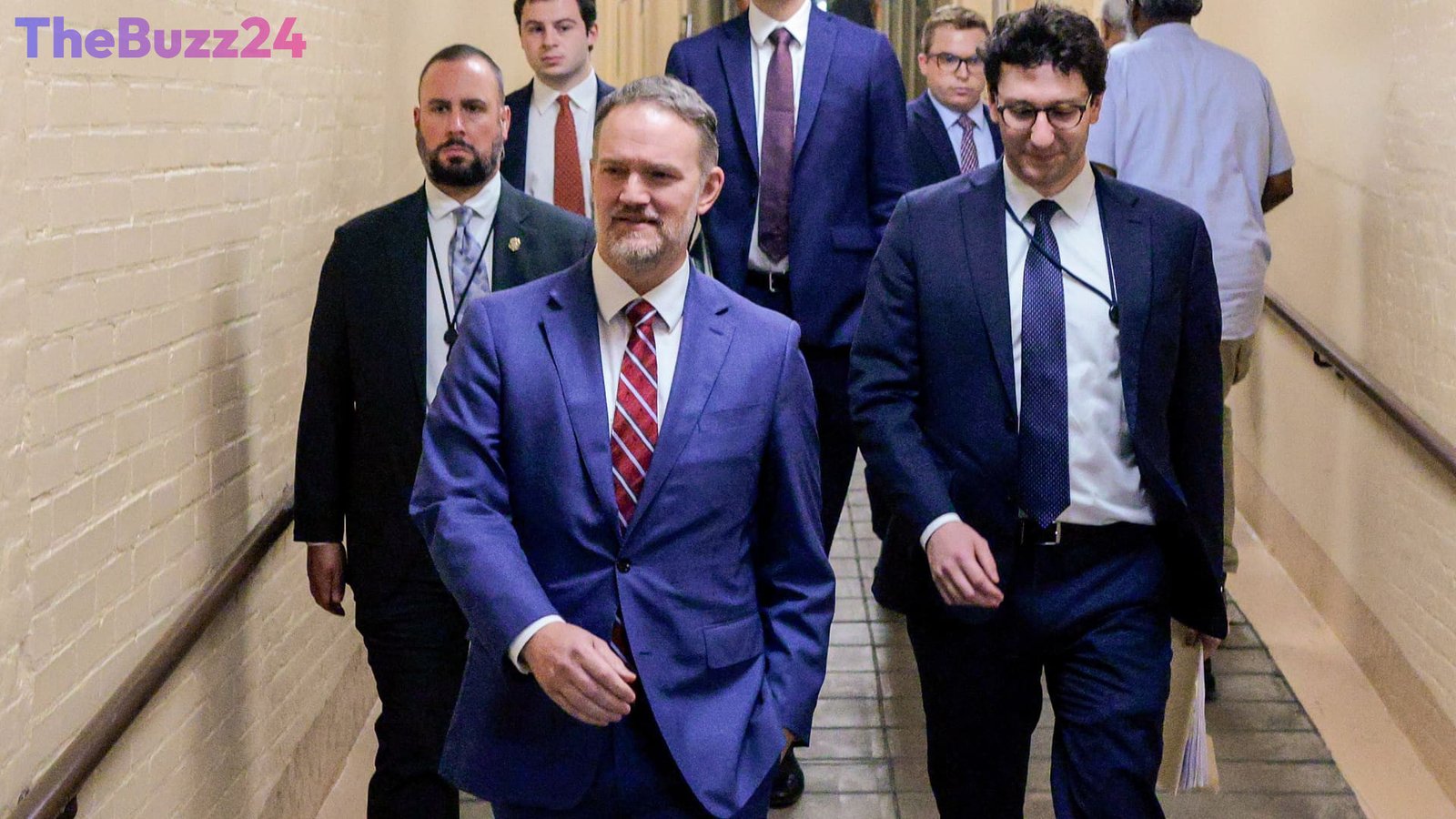
U.S. Trade Representative Jamieson Greer convened with House Republicans at the Capitol this week to address the ongoing trade disputes with Canada and the implications of proposed beef import policies. The meeting occurred as lawmakers grapple with the fallout from President Donald Trump’s aggressive tariff strategies, which are reportedly creating political challenges for the Republican party heading into the election cycle.
Attendees described the discussion as “lively,” with many expressing concerns over the current tariffs and their impact on bilateral trade. While acknowledging the complexities and potential timeline for resolution, some lawmakers indicated a desire for Canada to take the lead in de-escalating the trade war. The administration’s approach to tariffs, characterized by some as “whipsawing,” has raised worries about potential harm to businesses and consumers, particularly in northern border states.
Adding to the trade friction, President Trump’s proposal to reduce tariffs on a significant volume of imported beef has drawn criticism from domestic cattle ranchers, a traditional base of support. Republicans are reportedly seeking to navigate these trade issues while simultaneously addressing voter concerns about the rising cost of living. Some reports suggest that direct talks with Canada are not currently underway, placing the onus on Ottawa to re-engage.
This diplomatic engagement follows a period of escalating retaliatory tariffs initiated in late August after trade negotiations collapsed. The U.S. imposed tariffs on numerous goods, prompting a response from Canada, which accused the U.S. of making unreasonable demands. Conversely, U.S. officials contend that Canada sought last-minute changes to a proposed agreement. The situation remains fluid, with calls for Canada to return to the negotiating table.
Key Takeaways
- U.S. Trade Representative Jamieson Greer met with House Republicans to discuss trade disputes with Canada and beef import policies.
- Republicans are concerned about the impact of President Trump's tariffs on businesses and consumers, especially in an election year.
- The trade war with Canada is escalating with retaliatory tariffs, and current direct talks between the two nations appear stalled.
Editor’s Analysis & Impact
The meeting between USTR Greer and House Republicans highlights the growing political pressure on the Trump administration regarding its trade policies. The escalating tariff battle with Canada, coupled with domestic concerns from agricultural sectors over beef imports, presents a complex challenge for Republicans seeking to maintain their congressional majorities. The administration’s “America First” trade agenda, while a core tenet, is increasingly being scrutinized for its potential economic and electoral consequences. The focus on placing the de-escalation burden on Canada suggests a strategic, albeit potentially risky, approach to resolving these international trade disputes amidst domestic political considerations.
Frequently Asked Questions
Q: What triggered the current trade dispute between the U.S. and Canada?
A: The trade dispute escalated in late August when the U.S. imposed 50% tariffs on various goods after trade talks broke down. Canada retaliated with its own tariffs, accusing the U.S. of making unreasonable demands, while the U.S. stated Canada requested last-minute changes to a deal.
Q: What are the concerns regarding imported beef tariffs?
A: President Trump's plan to lower tariffs on imported beef has caused concern among U.S. cattle ranchers, who are a key constituency for the Republican party and have historically supported the administration.
Q: What is the current status of negotiations with Canada?
A: According to some lawmakers present at the meeting, direct talks with Canada do not appear to be ongoing at this moment, suggesting that the initiative to de-escalate the trade war may rest with Canada.
AI Disclosure: This article is based on verified data and official reports. Our Team and AI have cross-referenced every financial detail with primary sources to ensure total accuracy.
More from this Category