Tesla Teases Driverless Future as Austin Cybercab Event Approaches
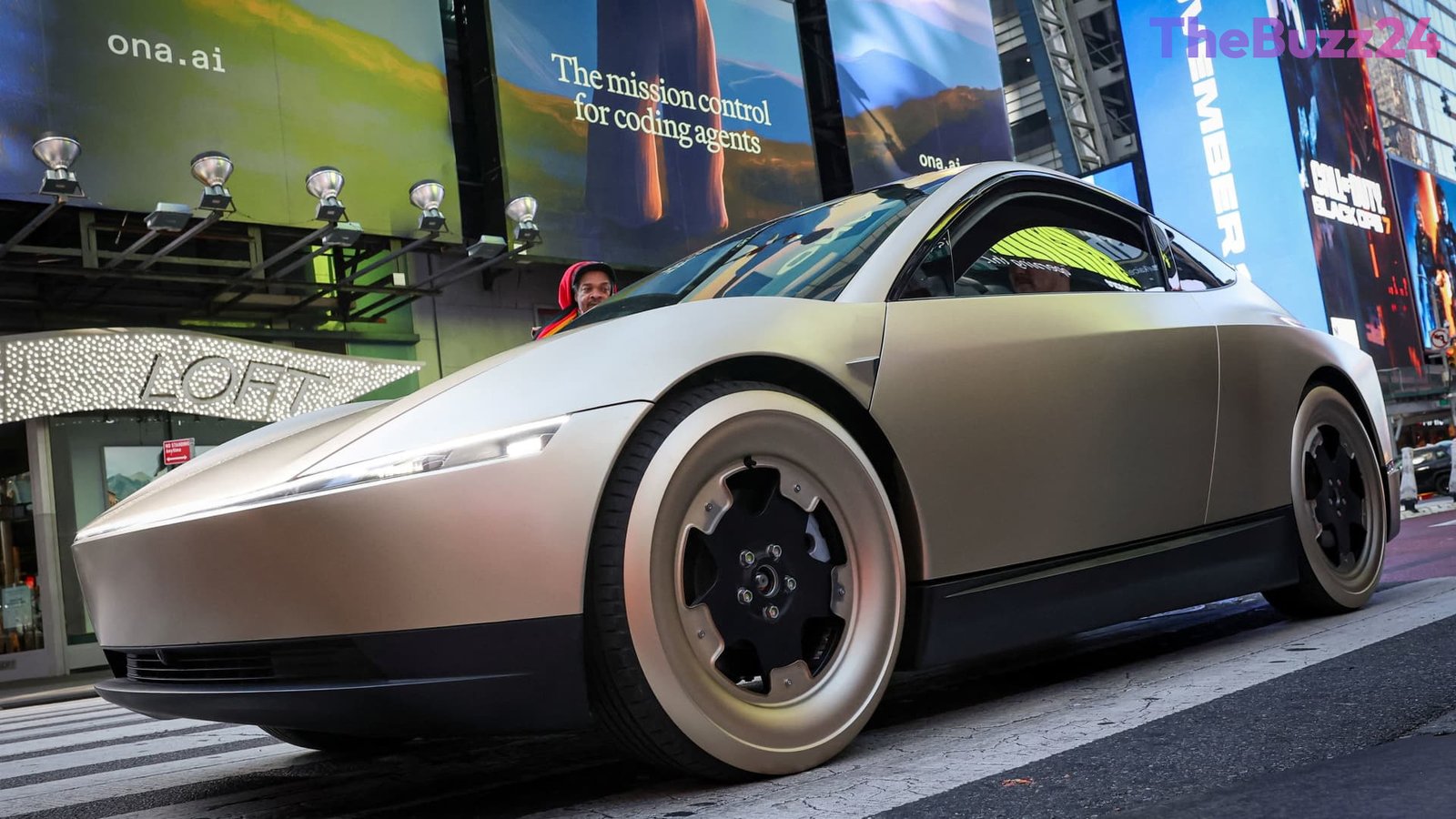
Tesla is generating significant buzz across social media as the company prepares for an exclusive, invitation-only event in Austin, Texas, showcasing its long-awaited autonomous vehicle technology. Promotional posts highlighting the complete absence of a steering wheel and pedals have heightened expectations among enthusiasts and investors alike as the automaker strives to accelerate its footprint in the competitive autonomous rideshare sector.
The upcoming gathering represents a crucial milestone for the electric vehicle pioneer, which initially revealed the two-seater, butterfly-doored robotaxi concept. While the company has previously experimented with human-supervised test fleets across multiple American cities, recent public sightings in Texas have fueled speculation that a larger unsupervised rollout could be imminent. Supporters are increasingly optimistic that these developments will help the firm challenge established competitors in the autonomous transportation space.
Despite the enthusiasm surrounding the impending showcase, regulatory hurdles and safety scrutiny continue to cast a shadow over the timeline. Federal safety regulators are actively investigating the manufacturer’s partially automated driving systems, and questions remain regarding public transparency and crash reporting protocols. As financial markets closely monitor whether the upcoming product updates can revitalize share performance, the success of this initiative will ultimately depend on navigating both technological milestones and regulatory compliance successfully.
Key Takeaways
- Tesla has teased its upcoming Austin event with promotional messages highlighting the steering-wheel-free and pedal-free Cybercab design.
- Videos circulating on public streets show driverless Cybercabs operating without human intervention in Austin.
- Industry analysts note that a meaningful commercial rollout of unsupervised vehicles is critical for revitalizing Tesla's market momentum.
Editor’s Analysis & Impact
The autonomous vehicle market is entering a pivotal phase of commercialization and regulatory scrutiny. Tesla’s push into the robotaxi arena places it in direct competition with entrenched market leaders like Waymo, which currently operates thousands of commercial vehicles across multiple U.S. cities. For Tesla, successfully transitioning from supervised driver-assist software to fully autonomous, unsupervised fleets is not merely a technological hurdle—it is a vital catalyst for future valuation and stock performance. However, the path forward is laden with challenges, notably federal safety investigations and stringent state-level approvals. If the company can convincingly demonstrate a scalable, safe autonomous ecosystem, it could fundamentally transform urban mobility and open lucrative new revenue streams. Conversely, any technical missteps or regulatory setbacks risk dampening investor confidence in the near term.
Frequently Asked Questions
Q: What are the main features of the Tesla Cybercab?
A: The Cybercab is a purpose-built, two-seater robotaxi featuring butterfly doors and completely lacking a traditional steering wheel or pedals.
Q: Where are Tesla's unsupervised vehicles currently being tested?
A: Tesla has logged trips and registered unsupervised vehicles in various cities, with notable testing and operations occurring in Texas markets such as Austin, Dallas, and Houston, as well as select cities in Florida.
Q: How does Tesla's current driver-assist system differ from the Cybercab?
A: Tesla's current Full Self-Driving (Supervised) system requires a human driver to remain attentive at the wheel, whereas the Cybercab is designed to operate entirely without a human driver or traditional controls.
AI Disclosure: This article is based on verified data and official reports. Our Team and AI have cross-referenced every financial detail with primary sources to ensure total accuracy.
More from this Category