Six Flags Mandates Seat Belt Upgrades Following Fatal Roller Coaster Incident
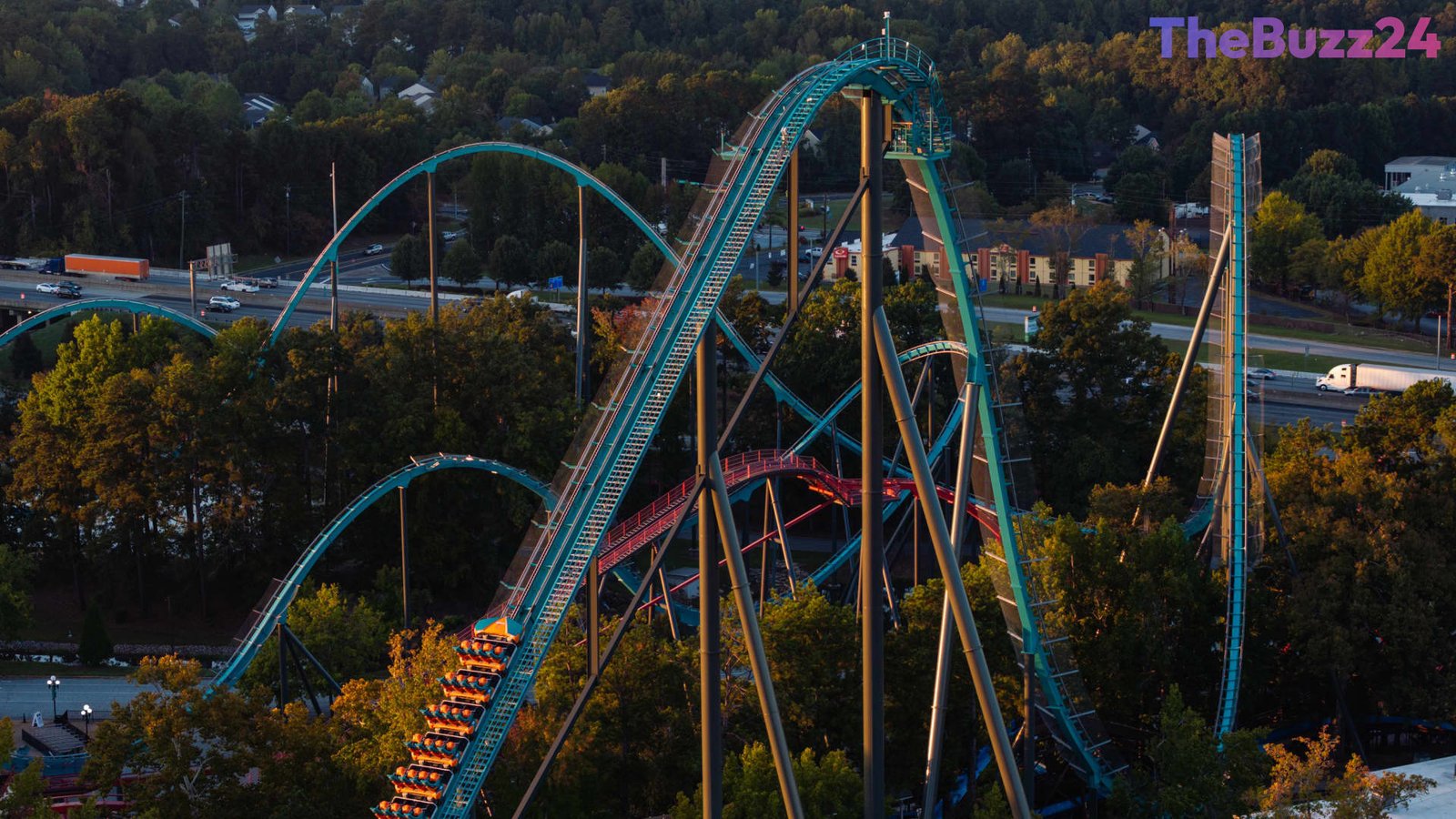
Six Flags Entertainment Corporation has announced a significant safety overhaul across its theme park network following a tragic accident at its Georgia location. The company confirmed that it will install additional seat belts on the Goliath roller coaster, the ride involved in the October 12 death of 42-year-old Hassan Jihad Ibn Kariem. This safety enhancement will be extended to other roller coasters across the company’s properties that utilize similar restraint systems.
In the wake of the incident, the Goliath coaster remains closed as state and local authorities conduct a thorough investigation. Beyond the Georgia park, Six Flags has proactively suspended operations on eight additional roller coasters across five parks in the United States and Canada. These rides, which share the same manufacturer and restraint design, will remain offline while independent engineers and safety inspectors conduct comprehensive reviews of all ride protocols.
The affected rides utilize a ‘clamshell’ restraint system manufactured by Bolliger & Mabillard, which features a padded bar locking over the rider’s lap. While the investigation into the specific cause of the ejection is ongoing, the decision to implement secondary seat belts reflects a broader industry-wide caution. Other operators, including SeaWorld, have also temporarily paused similar rides to evaluate safety measures, signaling a potential shift in standard operating procedures for high-intensity amusement attractions.
Key Takeaways
- Six Flags is retrofitting the Goliath coaster and similar models with secondary seat belts following a fatal ejection.
- Eight additional roller coasters across North America have been temporarily closed for safety inspections by independent engineers.
- The industry is re-evaluating the 'clamshell' restraint system used by manufacturer Bolliger & Mabillard in response to the tragedy.
Editor’s Analysis & Impact
The tragic incident at Six Flags highlights the inherent tension between the thrill-seeking nature of amusement park attractions and the evolving standards of passenger safety. From a market perspective, this move is a necessary damage-control measure to maintain public trust and mitigate potential legal liabilities. The decision to involve independent engineers suggests a proactive attempt to avoid regulatory scrutiny and potential legislative crackdowns on ride safety. Moving forward, we can expect a ripple effect across the theme park industry, where operators will likely prioritize redundant safety systems—such as secondary seat belts—to avoid the reputational and financial fallout associated with ride-related fatalities. While these upgrades may lead to increased operational costs and temporary downtime, they are essential for the long-term viability of the amusement park sector in an era of heightened safety awareness.
Frequently Asked Questions
Q: Why were other roller coasters closed if the accident only happened on one ride?
A: Six Flags closed eight other coasters as a precautionary measure because they share the same manufacturer and a similar restraint system as the ride involved in the accident.
Q: What is a 'clamshell' restraint system?
A: It is a safety mechanism featuring a padded bar that locks into place over a rider's lap and upper legs, designed to secure the passenger while allowing for a feeling of openness during the ride.
AI Disclosure: This article is based on verified data and official reports. Our Team and AI have cross-referenced every financial detail with primary sources to ensure total accuracy.
More from this Category