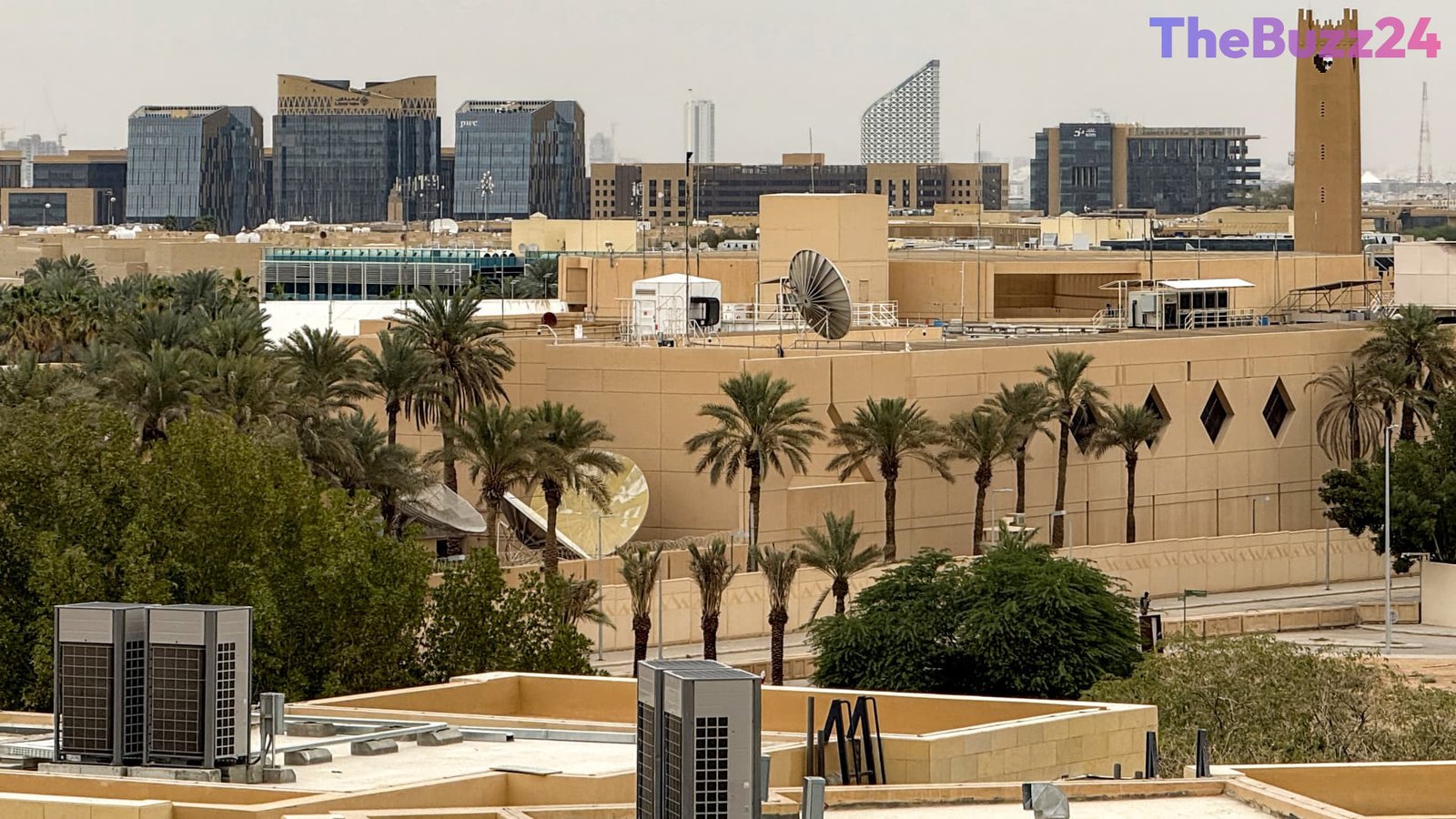
U.S. Diplomatic Missions on High Alert Amid Heightened Iranian Threat Assessments
American diplomatic facilities and government personnel across the Middle East have elevated their security posture following intelligence reports indicating that Iran is actively advancing plans to target U.S. citizens in the region. The heightened state of alert comes on the heels of a mandatory departure order for non-emergency government staff stationed in Saudi Arabia, driven by escalating regional hostilities and persistent missile threats originating from Iran-backed militant groups.
Intelligence briefings circulated among national security agencies revealed a substantial increase in efforts by Tehran to target American personnel abroad. This volatile environment has been further complicated by ongoing regional conflicts, including intercept operations against ballistic missiles launched toward critical infrastructure in Saudi Arabia. Amid the diplomatic and security standoff, broader economic repercussions have materialized, most notably in global energy markets where benchmark crude futures surged to multi-month highs, pushing global oil prices past $116 a barrel.
While security channels remain strained, diplomatic postures remain fluid. Although mixed signals have emerged regarding potential backchannel negotiations and proposals involving the Strait of Hormuz, domestic political pressures continue to mount in Washington. With crucial midterm elections approaching, the intersection of foreign policy, regional conflict, and economic anxieties—such as inflation and cost-of-living concerns—remains a central focus for voters and policymakers alike.
Key Takeaways
- U.S. embassies and personnel in the Middle East have heightened security following intelligence warnings of advanced Iranian attack plans.
- The security measures coincide with mandatory departure orders for non-emergency government workers in Saudi Arabia amid rising regional missile threats.
- Escalating tensions in the Middle East have driven global oil prices significantly higher, with Brent crude surpassing $116 a barrel.
Editor’s Analysis & Impact
The escalation of security threats at U.S. diplomatic outposts in the Middle East underscores the fragile geopolitical landscape as crucial domestic elections approach. Beyond the immediate safety concerns for personnel and regional stability, these developments carry profound economic ramifications. The immediate surge in global oil prices highlights how deeply interconnected international security is with commodity markets and domestic inflation. As energy costs climb, the political fallout directly influences voter sentiment, making foreign policy decisions and Middle East diplomacy pivotal factors in domestic economic health. Looking ahead, sustained volatility in the region threatens to keep energy markets pressurized, complicating central bank efforts to manage inflation and requiring a delicate balancing act from policymakers navigating both foreign threats and domestic economic stability.
Frequently Asked Questions
Q: Why are U.S. embassies in the Middle East on high alert?
A: U.S. embassies are on high alert following intelligence reports indicating that Iran is in the advanced stages of planning attacks against American personnel in the region.
Q: How have recent Middle East tensions impacted global markets?
A: The escalating tensions have caused a major disruption in energy markets, sending benchmark Brent crude futures soaring above $116 a barrel, marking a six-month high.
Q: What recent diplomatic developments have occurred between the U.S. and Iran?
A: While security measures have intensified, conflicting signals have emerged regarding potential talks, with some Iranian officials indicating openness to dialogue under previous diplomatic frameworks, though state media has occasionally denied such reports.
AI Disclosure: This article is based on verified data and official reports. Our Team and AI have cross-referenced every financial detail with primary sources to ensure total accuracy.
More from this Category